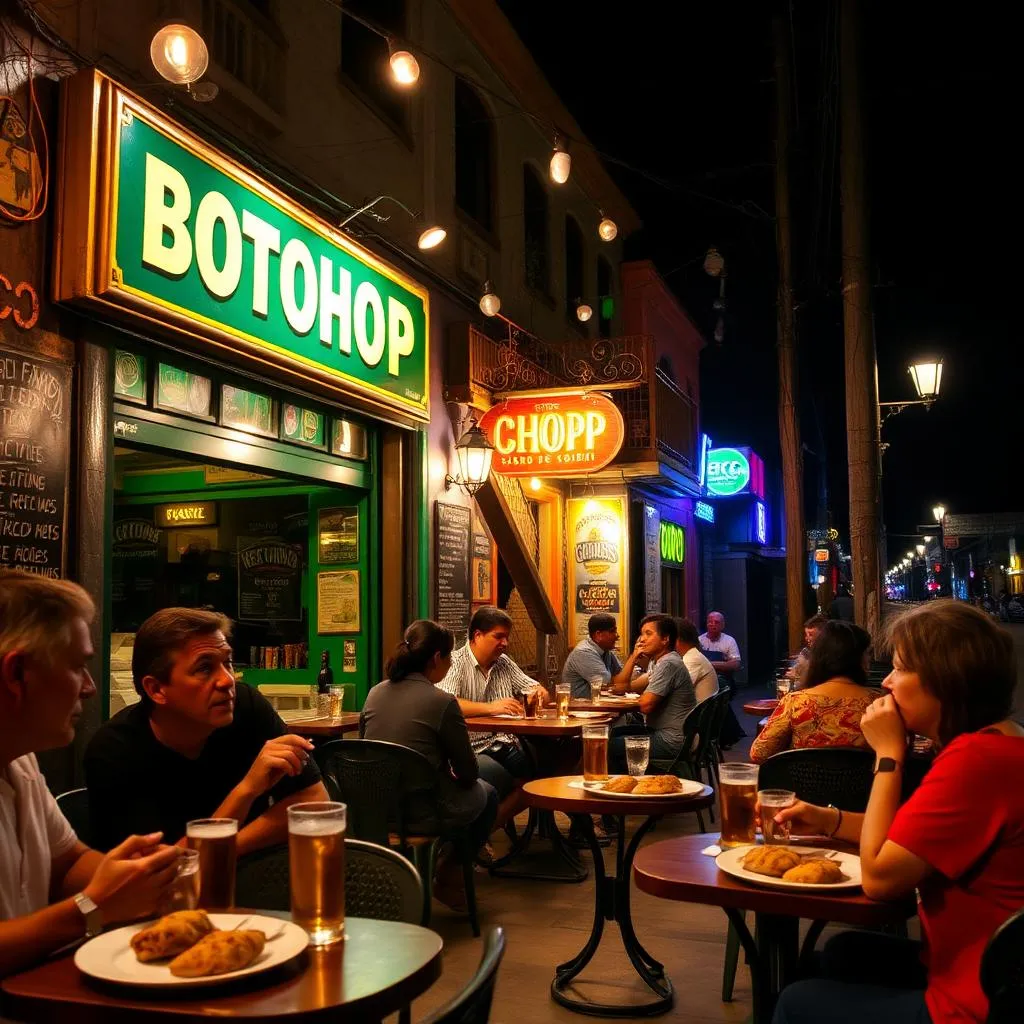
Craft Beer in Rio de Janeiro: Taprooms, Breweries & What to Order
Written and reviewed by Lotte — Rio local, founder & editor of PlanRio · How we research · First published · Last reviewed
The boteco and the chope are Rio's default. Craft beer is a separate scene with its own streets and its own vocabulary.
Quick answer
Rio's craft beer is concentrated in two places: Rua da Carioca in Centro, where several small breweries now produce and serve on one downtown block, and Botafogo, where the taprooms and independent bars are. Ask for cerveja artesanal rather than chope, which is industrial draught lager. In the heat, pilsners, witbiers and sours beat the big IPAs the scene is proudest of.
Links may earn us a commission at no extra cost to you. This supports PlanRio.
At a glance
The distinction to learn first
Chope is draught industrial lager. Cerveja artesanal is craft beer. Asking for 'a chope' will not get you one.
Where the scene is
Botafogo for taprooms, Rua da Carioca in Centro for the brewery street, Lapa and Santa Teresa for the bars that stock it.
The street
Rua da Carioca has become Rio's beer street — several working breweries and brewpubs on one downtown block.
Names to know
Hocus Pocus, Three Monkeys and 3Cariocas are among the Rio-area breweries you will see on taps citywide.
What to order in the heat
A pilsner, a witbier or a sour. Rio's climate punishes big IPAs more than most places admit.
The glass question
Craft beer is served in smaller glasses than chope on purpose. It is stronger and it is not a thirst-quencher.
Price
Expect to pay noticeably more than for a chope. Craft beer in Brazil carries a serious tax burden.
Best nights
Thursday to Saturday. Most taprooms are quiet or closed early in the week.
Chope is not craft beer, and this is the confusion that ruins orders
Rio's default beer culture is built on chope — draught lager, poured fast, served in a small glass with a thick head, and drunk cold enough to hurt. It is served in every boteco in the city and it is wonderful in its specific way: it is the thing you drink at a plastic table in 34 °C heat while eating a bolinho, and nothing else does that job as well.
It is also industrial lager, usually from one of the two big brewing groups, and it is not what anyone means by craft beer. If you walk into a boteco and ask for a chope you will get exactly what the city has been drinking for a century, and if you were hoping for something from a small brewery you will be disappointed in a way that is nobody's fault.
The words that get you the other thing are cerveja artesanal — artisanal beer — or, colloquially, breja when people are being casual about beer in general. A bar that has craft beer will say so: look for cervejaria, chopp artesanal, or a tap list on a blackboard rather than two branded fonts on the bar.
Understanding this distinction also tells you where to go. Botecos do chope. Craft beer lives in taprooms, brewpubs and a particular kind of bar, and those are concentrated in specific parts of the city rather than spread evenly through it.
Rua da Carioca: Rio's beer street
The most interesting development in Rio drinking over the last few years has happened on one downtown block. Rua da Carioca — a narrow historic street running off Praça Tiradentes that was, for most of the twentieth century, known for musical-instrument shops and the old Bar Luiz — has turned into a concentration of small breweries and brewpubs, to the point of being promoted as a beer district.
Several working houses now operate on and around the street, producing and serving on site. The effect is unusual for Rio: you can walk a short stretch of downtown and drink beer made in the buildings you are standing in, which is not something the Zona Sul offers.
It is a daytime-into-early-evening proposition rather than a late-night one. Centro empties after office hours, and while the beer street has given the area a reason to stay open later than it used to, you should plan to arrive in the late afternoon and take an app ride home rather than walking through downtown late. Our Centro guide covers the wider district.
Pair it with the rest of Centro. A Portuguese lunch, the Real Gabinete Português de Leitura, the Travessa do Comércio, and then the beer street as the afternoon ends is one of the better days in Rio and almost no visitor does it.
Botafogo and the taproom model
If Centro is where the beer is made, Botafogo is where the scene drinks. The neighbourhood has become the centre of Rio's independent bar culture — small rooms, exposed brick, blackboard tap lists, shared tables and a crowd in its twenties and thirties — and it is where most of the dedicated craft-beer bars are.
Hocus Pocus, one of the best-known Brazilian craft breweries and a Rio fixture, runs a taproom in Botafogo in a converted workshop space, and its hazy IPAs and the Orange Sunshine blonde ale are among the beers that put Brazilian craft on the map internationally. It is a good orientation stop: if you like what is on there, you will recognise the brewery's taps all over the city afterwards.
The broader Botafogo pattern is worth knowing even if you are not chasing beer specifically. The streets around Rua Voluntários da Pátria and the Humaitá edge carry a density of good small bars, restaurants and music rooms that the Zona Sul beach neighbourhoods do not, and it is where cariocas go out when they are not going out for tourists.
Santa Teresa and Lapa also stock craft beer widely, with the difference that there you are drinking it inside an existing nightlife scene rather than at a beer destination. If you want samba and a decent IPA in the same evening, that is the pairing.
What to actually order in Rio's climate
Brazilian craft brewing went through the same IPA-dominant phase as everywhere else, and the shelves still lean that way. In Rio's heat, that is frequently the wrong choice, and the beers that work best here are not the ones the scene is proudest of.
Drink in the heat: pilsner and lager done properly, which several small breweries now do very well; witbier, which the humidity suits; sours and fruit beers, which Brazilian brewers make with fruit you will not have had in a beer before — jabuticaba, cajá, acerola; and session IPAs rather than the 7% versions.
Drink in the evening, or in winter: the hazy IPAs the scene is known for, stouts and porters, and the barrel-aged things that appear on taprooms' special boards. Rio's winter nights are cool enough to make a stout sensible, which is not true in February.
A practical note on serving: craft beer here comes in smaller glasses than chope, and that is deliberate rather than mean. A 300 ml pour of an 8% double IPA is not the same drink as a 300 ml chope at 4.5%, and the heat makes the difference land harder than it would at home. Pace it accordingly.
And on price: craft beer in Brazil is expensive relative to the rest of the eating-out economy, because of the tax structure as much as the brewing. A craft pour can cost several times a chope. That is normal, it is not a tourist markup, and it is worth knowing before the bill arrives.
Buying beer to drink elsewhere
Rio's drinking is substantially outdoors — the beach, the kerb, the praça, the kiosk — and craft beer fits into that less easily than chope does, but it fits.
Supermarkets in the Zona Sul now carry a reasonable craft selection, including the bigger Brazilian independents. Zona Sul and Pão de Açúcar supermarket chains both stock it, usually in a dedicated fridge away from the stacked crates of lager.
Dedicated beer shops — empórios — exist in Botafogo, Copacabana and Tijuca and will sell single bottles and cans, usually with someone behind the counter who will talk you through what is good this month. That is the fastest way to work out what you like before committing to a bar list.
Drinking in public is normal in Rio and not an issue in the way it is in many countries. What matters is glass: the beach bans it in practice and the kiosks serve in plastic, so buy cans rather than bottles if the beer is going to the sand. Our beach-etiquette guide covers the rest of the conventions.
One thing craft beer does not replace: the cold chope at a boteco on a hot afternoon. Rio has a drink for that, it is perfect, and no IPA is going to improve on it.
Fitting beer into a Rio trip
A half-day: late afternoon on the Rua da Carioca beer street in Centro, after a downtown walk, ending before the district empties.
An evening: Botafogo. Start at a taproom, eat somewhere on Voluntários da Pátria, finish in a bar. This is the most normal good night out in Rio and it costs a fraction of a Leblon equivalent.
A combined night: Lapa. Craft beer early at one of the bars that stocks it, then samba. The music is the point and the beer is the warm-up.
What not to do is organise a whole trip around it. Rio's beer scene is genuinely good and genuinely young, but it is not São Paulo's and it is not the reason to be here. Treat it as an excellent alternative to another beach sunset, not as the itinerary.
Guided ways into Rio's bar culture
Neither is a craft-beer tour specifically, and we would not pretend otherwise. The four-bar tour is the closer fit — it is a draft-beer pub crawl ending at a Leblon sunset. The second is a cachaça tasting, caipirinha class and samba night: a different drink entirely, listed here because it gets you into rooms you would not find alone.
Common mistakes tourists make
- Asking for 'a chope' and expecting craft beer. Chope is industrial draught lager — the words you need are cerveja artesanal.
- Ordering a big IPA at two in the afternoon in February. Rio's heat punishes high-alcohol beer harder than most climates.
- Looking for craft beer in the beach botecos. They do chope superbly and craft barely at all; the scene is in Botafogo and Centro.
- Walking through Centro late after the beer street. The district empties after office hours — arrive late afternoon and ride home.
- Expecting craft prices to match boteco prices. Brazil's beer tax makes a craft pour several times the cost of a chope.
- Taking glass bottles to the beach. Buy cans; the sand is a no-glass environment in practice.
- Going out for beer on a Monday or Tuesday. Most taprooms are quiet or shut early in the week.
- Treating Rio as a beer destination. The scene is good and young; São Paulo's is the serious one.
Local expert tips
- Look for a blackboard tap list rather than branded fonts on the bar. That is the quickest way to tell the two kinds of bar apart.
- Try a Brazilian fruit sour at least once — jabuticaba, cajá and acerola are flavours you will not have had in beer at home.
- Use a Botafogo taproom as orientation. Once you know which breweries you like, you will spot their taps citywide.
- Combine the Rua da Carioca beer street with a Centro afternoon — Portuguese lunch, the Real Gabinete, then beer as the light goes.
- Buy singles at an empório before committing to a bar list. The staff will tell you what is good this month.
- Save stouts and barrel-aged beers for Rio's winter, when the evenings are cool enough to justify them.
- Keep drinking chope too. It is the right drink for a hot afternoon at a plastic table and craft beer does not replace it.
Frequently asked questions
Where can I drink craft beer in Rio de Janeiro?+
Three areas. Rua da Carioca in Centro has become Rio's beer street, with several small breweries and brewpubs producing and serving on one downtown block. Botafogo has the densest concentration of taprooms and independent bars, including Hocus Pocus's Rio taproom. Lapa and Santa Teresa stock craft beer widely inside their existing nightlife scenes.
What is the difference between chope and craft beer in Brazil?+
Chope is draught industrial lager, served ice-cold in small glasses at every boteco in Rio, and it is the city's default beer. Craft beer is cerveja artesanal, made by small independent breweries and served in dedicated taprooms and brewpubs. Asking for a chope will get you the industrial lager, not a craft pour.
Which Brazilian craft breweries should I look for in Rio?+
Hocus Pocus is the best-known Rio-area name internationally, with hazy IPAs and the Orange Sunshine blonde ale, and it runs a Botafogo taproom. Three Monkeys and 3Cariocas are other Rio-region breweries whose taps appear widely across the city. The small houses on Rua da Carioca brew on site, which is a different and worthwhile experience.
Is craft beer expensive in Rio?+
Relative to the rest of eating and drinking out, yes — a craft pour can cost several times a chope. That is largely Brazil's tax structure on beer rather than a tourist markup, and it applies to residents equally. Budget for it as a deliberate drink rather than a session.
What craft beer styles work best in Rio's heat?+
Pilsners and well-made lagers, witbier, sours and Brazilian fruit beers made with jabuticaba, cajá or acerola, and session IPAs rather than the big ones. Save the hazy IPAs, stouts and barrel-aged beers for the evening or for Rio's cooler winter months, when they actually make sense.
Why is craft beer served in small glasses in Rio?+
Because it is considerably stronger than chope and is not meant as a thirst-quencher. A small pour of an 8% double IPA is a different drink from a 300 ml chope at 4.5%, and in Rio's heat the difference is more pronounced than it would be in a cooler climate.
Can I buy craft beer in Rio supermarkets?+
Yes. The Zona Sul and Pão de Açúcar supermarket chains carry a reasonable craft selection in a dedicated fridge, and specialist beer shops — empórios — in Botafogo, Copacabana and Tijuca sell single cans and bottles with someone who can advise. Buy cans rather than bottles if the beer is going to the beach.
Is Rua da Carioca safe in the evening?+
The street itself has become busier and better-lit as the beer district has grown, but Centro as a whole empties after office hours. Treat it as a late-afternoon-into-early-evening destination, stay on the active stretch, and take an app ride home rather than walking through downtown late.
Is Rio or São Paulo better for craft beer?+
São Paulo has the larger and older scene by a clear margin. Rio's is younger, smaller and concentrated in Botafogo and on Rua da Carioca — genuinely good, and a very pleasant alternative to another beach evening, but not a reason to choose the city.
Sources and image credit
Details and access can change. Use these venue, operator and public-information sources to recheck key details before visiting.
- Riotur: bars and nightlife listings ↗
The city tourism board's directory, useful for confirming a venue is still trading.
- Veja Rio: bars and drinking listings ↗
Current Brazilian press coverage of the bar and brewery scene.
- Time Out Rio de Janeiro ↗
Ongoing coverage of the Rua da Carioca brewery street and new openings.
Keep planning
Rio's best botecos
The chope half of the story, and the rooms where the city actually drinks.
Best bars in Rio
The wider drinking map, from kiosks to cocktail rooms.
Botafogo guide
The neighbourhood where most of the taprooms and independent bars are.
Centro guide
What else is worth doing downtown on the day you visit the beer street.
Cachaça tasting in Rio
The other drink worth taking seriously here, and where to learn about it.
Wine in Rio
What to drink when beer is not the answer.