Rio de Janeiro Safety Map
A real street map for the visitor decisions that matter: where daytime walking is straightforward, where to stay alert, and where we switch to a verified app ride after dark. It covers 60 neighbourhoods, beaches, sights, nightlife corridors, airports and transport hubs rather than pretending one citywide score can explain Rio.
Written and reviewed by Lotte — Rio local, founder & editor of PlanRio · First published 15 March 2026 · Last substantively reviewed 7 November 2026
Quick answer
Rio de Janeiro is manageable for visitors when you choose a well-used tourist base, keep valuables discreet, and change how you move after dark. Use the map as a planning baseline—not a live crime feed—then confirm same-day conditions with your hotel, official alerts, and local authorities before unfamiliar routes.
By day · 60 places
- 33 lower caution
- 24 stay alert
- 1 ride after dark
- 2 avoid walking
After dark · 60 places
- 3 lower caution
- 16 stay alert
- 25 ride after dark
- 16 avoid walking
Interactive day and night map
Search or filter, then select any marker or result for practical local guidance.
Action legend
Plan your ride from GIG
If you are arriving at Galeão, compare the GIG transfer and taxi options before choosing a ride. Prefer to arrange a private transfer in advance? Check the pickup instructions, luggage allowance and destination coverage before booking.
Check GIG private transfer availabilityLanding at Santos Dumont instead? Use the SDU arrival guide. For phone setup, compare eSIM and SIM options for Rio; ride apps, maps and live alerts all need data from the moment you land.
Links may earn us a commission at no extra cost to you. This supports PlanRio.
Rio safety at a glance
| Map coverage | 60 visitor places across Zona Sul, Centro, the port, Barra, Recreio, Tijuca, Niterói and key arrival points. |
|---|---|
| Easiest first-time bases | Leblon, Ipanema, Botafogo and Urca; convenience never means zero risk. |
| Default after dark | Use a verified app ride when a street empties, the route is unfamiliar or the destination is beyond an active restaurant block. |
| Beaches | Use staffed areas by day, take minimal valuables and never walk on the sand after dark. |
| Peak phone-theft window | 4pm–9pm, per UK FCDO advice — the beach-to-dinner hours, not the middle of the night. |
| Official advice level | U.S. Level 2 (“exercise increased caution”) for crime and kidnapping; the UK and U.S. both say to stay off city beaches after dark and out of favelas, including on tours. |
| Fares that keep you off dark streets | Metro R$7.90 a journey (Mon–Sat 05:00–00:00, Sun and holidays 07:00–23:00); bus, BRT and VLT R$5.00. After the metro closes, budget for app rides. |
| Dates that change everything | Réveillon on 31 December and the street-Carnaval season (projected 16 January to 9 February 2027) need their own plan, not this map's night bands. |
| Emergency | Police 190 · Ambulance 192 · Fire 193 · DEAT +55 21 98596-7474. |
Which areas of Rio work after dark?
The night bands from the map, grouped. Only a handful of places keep the same easy rhythm after dark; most of Rio is fine for a planned evening at a named place, with a ride either side. Select any name to open it on the map in night mode.
Lower caution (3)
Lower-caution visitor area
Stay alert (16)
Stay alert and use busy routes
Ride after dark (25)
Arrive or leave by app ride after dark
Avoid walking (16)
Avoid walking to or from this point
The 90-second live check before an unfamiliar route
A static map cannot see a storm, demonstration, road closure, match-day crowd or suddenly empty block. Before leaving a staffed venue, run these three checks; together they are more useful than treating a green marker as permission to switch off.
1 · City conditions
Open COR.Rio
Check the city's current operational stage plus rain, surf, road and incident alerts.
View official alerts →2 · Route reality
Ask one precise question
Ask reception or venue staff: “Would you walk this exact route now?” A neighbourhood name is too broad; show the destination and final block.
3 · Exit plan
Decide the return first
Confirm signal, battery, pickup point and the plate-check routine before you leave. If any part fails, change the plan while still indoors.
For a fuller version of this routine, including which official feeds to follow, see Is Rio safe right now?
How to read this map
Marker colours are PlanRio editorial assessments of a typical visitor journey—not official crime probabilities, live alerts or guarantees. Official ISP records are aggregated by police-district areas and cannot honestly produce a precise safety score for one tourist block. A marker shows a useful destination context, not a legal neighbourhood boundary.
Switch between day and night because the same place can change when shops close or a crowd disperses. Before an unfamiliar journey, check COR.Rio alerts, current government advice and local staff who know that day's conditions. For what the district-level numbers do and do not show, read what Rio's crime data actually says.
Day and night guidance for every mapped place
This table is the text alternative to the interactive map and the fastest way to compare areas. “Lower caution” still means using normal Rio habits: discreet phone use, minimal valuables and a quick change of route when a street empties.
| Place | Type | Day | Night | By day | Practical rule after dark | Guides |
|---|---|---|---|---|---|---|
| Neighbourhood / corridor | Lower caution | Lower caution | Walking between the beach, Jardim de Alah and the main shopping streets is usually the easiest option. | Main restaurant streets remain active; use an app ride for longer trips or empty hillside edges. | Leblon neighbourhood guideWhere to stay in Leblon | |
| Neighbourhood / corridor | Lower caution | Stay alert | Walk the commercial grid, but step inside a shop before checking directions on your phone. | Use the restaurant corridors around Farme de Amoedo and Vinícius de Moraes; ride home after late bars. | Ipanema neighbourhood guideWhere to stay in Ipanema | |
| Neighbourhood / corridor | Stay alert | Ride after dark | Use Avenida Atlântica and Nossa Senhora de Copacabana; keep valuables out of sight in crowds. | Dinner walks on busy blocks are reasonable; use an app ride after late drinks or for streets several blocks inland. | Copacabana neighbourhood guideWhere to stay in Copacabana | |
| Neighbourhood / corridor | Lower caution | Stay alert | The beachfront and Gustavo Sampaio are the useful walking spine. | Stay on lit commercial blocks and ride rather than walking towards hillside access roads. | Copacabana and Leme beach guideWhere to stay in Copacabana and Leme | |
| Neighbourhood / corridor | Lower caution | Stay alert | Walk between the metro, shopping streets and cafés with normal phone awareness. | The bar corridors stay busy; use an app ride from isolated hillside streets or the bayfront. | Botafogo neighbourhood guideWhere to stay in Botafogo | |
| Neighbourhood / corridor | Lower caution | Lower caution | Walk the seawall and residential loop; carry water because services thin out away from the centre. | The Mureta remains social around sunset; take a ride once the waterfront empties. | Urca neighbourhood guide | |
| Neighbourhood / corridor | Lower caution | Ride after dark | Use the park during daylight and the commercial streets around the metro for errands. | Ride across or along the Aterro rather than walking through empty landscaped areas. | Flamengo neighbourhood guideWhere to stay in Flamengo and Catete | |
| Neighbourhood / corridor | Stay alert | Ride after dark | Prefer Rua do Catete, Largo do Machado and streets with open shops. | Use an app ride for unfamiliar routes and avoid the empty edge of the Aterro. | Catete neighbourhood guideWhere to stay in Flamengo and Catete | |
| Neighbourhood / corridor | Lower caution | Ride after dark | Walk main streets and use official transport for Corcovado rather than improvised offers. | Ride door to door to hillside addresses and the Cosme Velho terminus. | Laranjeiras neighbourhood guide | |
| Neighbourhood / corridor | Lower caution | Stay alert | Cycle or walk the popular sections and keep bags closed at kiosks. | Use busier restaurant sections; do not continue alone through a suddenly empty stretch. | Lagoa Rodrigo de Freitas guide | |
| Neighbourhood / corridor | Lower caution | Stay alert | Walk between the botanical garden, Parque Lage and nearby cafés on established routes. | Use a ride between restaurants if the route follows dark walls or park edges. | Jardim Botânico guideWhere to stay in Gávea and Jardim Botânico | |
| Neighbourhood / corridor | Lower caution | Stay alert | The shopping centre, Praça Santos Dumont and main roads are the clearest walking anchors. | Stay with the Baixo Gávea crowd and ride to accommodation rather than climbing empty streets. | Gávea guideWhere to stay in Gávea and Jardim Botânico | |
| Neighbourhood / corridor | Stay alert | Ride after dark | Travel directly to the beach, Fashion Mall or activity meeting point and confirm the pickup location. | Use a verified app ride door to door and avoid walking near tunnel or hillside approaches. | São Conrado guide | |
| Neighbourhood / corridor | Lower caution | Ride after dark | Plan one destination cluster at a time rather than attempting long beachfront-to-mall walks. | Ride between every venue unless it is within the same development. | Barra da Tijuca guideWhere to stay in Barra da Tijuca | |
| Neighbourhood / corridor | Stay alert | Ride after dark | Follow the tram corridor and named attractions; save the route offline before setting out. | Ride door to door and wait for the car inside the venue. | Santa Teresa neighbourhood guideWhere to stay in Santa Teresa | |
| Neighbourhood / corridor | Stay alert | Ride after dark | Visit Selarón and cultural sights on a defined route, not by roaming empty back streets. | Stay on Mem de Sá and Lavradio with the crowd, then order a ride from inside the venue. | Lapa nightlife guideWhere to stay in Lapa | |
| Neighbourhood / corridor | Stay alert | Avoid walking | Go on weekdays, use a planned cultural loop and keep your phone away near station exits. | Do not improvise a walk across Centro; leave a venue by app ride or with an organised group. | Centro walking guide | |
| Neighbourhood / corridor | Stay alert | Ride after dark | Use the VLT, museum boulevard and marked Pequena África routes. | Ride to and from Pedra do Sal, cruise events or late museum programming. | Little Africa walking guide | |
| Neighbourhood / corridor | Stay alert | Ride after dark | Use Praça Saens Peña and known destinations rather than exploring without a route. | Ride door to door outside the immediate restaurant or shopping block. | Tijuca neighbourhood guide | |
| Neighbourhood / corridor | Stay alert | Ride after dark | For tours, arrive by metro or verified ride and use the official stadium entrance. | Leave with the crowd, follow event transport instructions and avoid solitary walks after dispersal. | Maracanã match guideWhere to stay near the Maracanã | |
| Neighbourhood / corridor | Lower caution | Ride after dark | Base yourself near the beachfront and the Pontal end, and plan Prainha and Grumari as direct trips rather than walks along the road. | Treat evenings as door-to-door: restaurant, then a verified app ride; the avenues are built for cars, not late walks. | Recreio dos Bandeirantes guide | |
| Neighbourhood / corridor | Stay alert | Avoid walking | Go on a weekday morning with a front-worn bag and one card; agree a meeting point because groups separate quickly in the crowd. | Do not walk here after the shops close or on a Sunday; leave by metro or a verified ride before the street empties. | Centro walking guide | |
| Neighbourhood / corridor | Lower caution | Stay alert | Take the ferry from Praça XV, use an app ride or bus from the terminal to the MAC, and stay on the Icaraí seafront for lunch and the view. | The Icaraí seafront stays active into the evening; ride back to the ferry or across the bridge rather than walking between districts. | How to visit Niterói from RioWhere to stay in Niterói | |
| Beach / outdoors | Lower caution | Avoid walking | Choose a staffed posto (lifeguard post), take only essentials and ask a neighbour to watch your things before swimming. | Leave the sand after sunset and use the lit avenue or a ride. | Leblon beach guide | |
| Beach / outdoors | Stay alert | Avoid walking | Bring one small bag, keep it under your chair and never leave a phone visible on the towel. | Leave with the sunset crowd; do not use the sand as a shortcut after dark. | Ipanema beach guide | |
| Beach / outdoors | Stay alert | Ride after dark | Keep your phone secured between photos and avoid putting bags behind you on the rock. | Leave with the main crowd towards Ipanema or order a ride once the promenade thins. | Arpoador guide | |
| Beach / outdoors | Stay alert | Avoid walking | Sit near an active barraca (beach stall), agree prices first and take turns swimming. | Stay on the populated promenade for short walks and never walk on the sand after dark. | Copacabana beach guide | |
| Beach / outdoors | Lower caution | Avoid walking | Stay close to staffed stalls and lifeguard posts rather than the empty far end. | Move to the lit promenade and ride if your accommodation is not nearby. | Copacabana and Leme guide | |
| Beach / outdoors | Lower caution | Ride after dark | Use the staffed beach and signed Pista Cláudio Coutinho path during opening hours. | Leave when the beach and walking path close; do not continue into dark trails. | Praia Vermelha guide | |
| Beach / outdoors | Stay alert | Avoid walking | Use the active section around the hang-glider landing and keep possessions within reach. | Leave before the beach empties and use a verified ride from a visible pickup point. | São Conrado guide | |
| Beach / outdoors | Lower caution | Avoid walking | Base yourself near an active kiosk and note the exact access point for your return ride. | Do not remain on the sand or attempt long beachfront walks after dark. | Barra versus Ipanema | |
| Beach / outdoors | Stay alert | Avoid walking | Go early with a known driver, check surf and weather, and agree the return before entering the water. | Leave well before dusk; these are not after-dark destinations. | Grumari beach guide | |
| Beach / outdoors | Lower caution | Ride after dark | Walk the promenade for the Sugarloaf view and check water quality before swimming; most locals do not swim on the bay side. | Enjoy the view from the shopping-centre side and ride back into Botafogo; do not cross to the dark sand or promenade late. | Can you swim? Rio beach water quality | |
| Beach / outdoors | Lower caution | Avoid walking | Use it on Sunday or a holiday when the main road becomes a leisure lane, stay near the cycle path and the busy courts, and finish before sunset. | Do not cross the Aterro on foot after dark; take the metro along its edge or a verified app ride. | Flamengo neighbourhood guide | |
| Attraction | Lower caution | Ride after dark | Use the Corcovado train, Paineiras vans or a licensed pickup and ignore unofficial street offers. | Follow the final official descent and ride from the station rather than walking through quiet Cosme Velho. | How to reach Christ the Redeemer | |
| Attraction | Lower caution | Lower caution | Keep normal crowd awareness in queues and check the official weather status before buying. | Sunset visits are practical; ride from the base after the final descent if streets have emptied. | Sugarloaf guide | |
| Attraction | Lower caution | Ride after dark | Enjoy the grounds during official hours; use a guide for the Corcovado trail and never start late. | Leave when the park closes and ride from the gate rather than walking along dark walls. | Parque Lage guide | |
| Attraction | Lower caution | Ride after dark | Go at opening for cooler air and wildlife, carry water, and leave by the main gate on Rua Jardim Botânico. | The garden is closed at night; walk only to the nearby restaurants while they are busy and ride onward. | Botanical Garden guide | |
| Attraction | Stay alert | Ride after dark | Go in the morning, keep your phone controlled between photos and leave by the main lower entrance. | Do not climb the steps as a late-night shortcut; ride to a named Lapa venue instead. | Selarón Steps guide | |
| Attraction | Lower caution | Ride after dark | Arrive by VLT and combine the museum with the signed Olympic Boulevard route. | For evening events, ride from the venue or remain with the event crowd. | Museu do Amanhã guide | |
| Attraction | Stay alert | Avoid walking | Start early, check park access and weather, and carry water plus an offline route. | Do not plan a sunset descent without a licensed guide and confirmed transport. | Pedra Bonita hike guide | |
| Attraction | Ride after dark | Avoid walking | Use a qualified local guide unless you already have scrambling experience; turn around early if weather changes. | Never begin late or descend in darkness; pre-book the return ride. | Pedra da Gávea hike guide | |
| Attraction | Stay alert | Avoid walking | Go in the morning with a guide, a jeep tour or a driver who waits; at viewpoints, stay while other visitors are present. | No visitor use after dark: trails, roads and viewpoints have no practical fallback once the park quietens. | Tijuca Forest jeep tour guide | |
| Attraction | Lower caution | Ride after dark | Pair it with breakfast on the terrace and a morning walk; keep the phone away when you step back out onto the promenade. | Once it closes, leave from Avenida Atlântica by verified ride rather than walking the darker Arpoador side. | Copacabana Fort guide | |
| Attraction | Lower caution | Avoid walking | Walk it in the morning, go back the same way, and only take the Morro da Urca trail from it with time to spare before dusk. | The path closes in the evening; there is no night use and no reason to linger at the gate. | Urca neighbourhood guide | |
| Attraction | Stay alert | Ride after dark | Outside Carnaval there is little reason to visit independently; on rehearsal days stay with the crowd and leave together. | Know your sector's side (even or odd) before you go, use the metro with the crowd or a pre-arranged transfer, and never walk towards Central alone. | Sambadrome guide | |
| Nightlife | Lower caution | Stay alert | The area is a normal commercial corridor with cafés and shops. | Wait inside for your ride, check the plate and avoid walking uphill after the bars thin out. | Rio bars guide | |
| Nightlife | Stay alert | Ride after dark | Visit the Little Africa heritage route with a plan and daylight context. | Arrive near the event, keep valuables zipped and ride away from an inside or staffed pickup point. | Pedra do Sal samba guide | |
| Nightlife | Lower caution | Stay alert | Arrive an hour before sunset, keep the phone off the wall and your bag on your lap. | Leave while people are still there and ride from the bar side; Urca's back streets are calm but empty. | Rio sunset guide | |
| Nightlife | Lower caution | Stay alert | Come for lunch or an early beer; the square is relaxed and easy by day. | Stay around the square while it is busy and order the ride from inside a bar when you leave. | Gávea restaurants and bars | |
| Transport hub | Lower caution | Stay alert | Check the correct exit before reaching the concourse and put your phone away before stepping outside. | Use the busiest exit and ride onward if your destination is several quiet blocks away. | Rio metro guide | |
| Transport hub | Lower caution | Stay alert | Choose the exit for Nelson Mandela or Voluntários da Pátria before leaving the platform. | Walk with the active bar crowd or switch to a ride for hillside destinations. | Rio metro guide | |
| Transport hub | Avoid walking | Avoid walking | Keep valuables secured, know the exact platform or connection and avoid displaying your phone. | Do not arrive or leave on foot; use a verified ride or a direct staffed connection. | Getting around Rio | |
| Transport hub | Avoid walking | Avoid walking | Arrive by verified ride, enter immediately and keep luggage physically attached in queues. | Pre-book or order the ride inside and confirm the plate before going to the kerb. | Rio bus tickets and terminal guide | |
| Transport hub | Stay alert | Ride after dark | Use official terminal transport, VLT or a pre-planned museum route; ignore unsolicited tour pitches. | Return by organised transfer or verified ride and enter the terminal directly. | Rio cruise port guideWhere to stay near the cruise port | |
| Transport hub | Stay alert | Stay alert | Decide your exit and route on the platform, then walk with the flow towards the beach or Nossa Senhora de Copacabana. | Fine while the station is busy; for hillside streets or late returns, take a verified ride from the exit rather than walking. | Rio metro guide | |
| Transport hub | Stay alert | Ride after dark | Combine the Paço Imperial and the ferry; walk via the busy square and VLT stop, not the backstreets. | If you return late from Niterói, book a verified ride from the terminal before you step outside. | Paquetá Island day trip | |
| Transport hub | Lower caution | Stay alert | Buy van tickets only at the official desk and ignore anyone selling rides on the pavement. | Use it as a metro stop; ride onward to quiet Laranjeiras or Catete streets after dark. | Corcovado train or van? | |
| Airport | Stay alert | Stay alert | Order through the official app, taxi desk or pre-booked driver and verify the plate before leaving arrivals. | Use the same verified process and share the trip; do not accept unsolicited rides. | GIG transfer guideHotels at and near GIG | |
| Airport | Lower caution | Stay alert | Use the official pickup zone and keep luggage together in the small arrivals hall. | Ride directly to accommodation rather than walking towards Cinelândia or the Aterro. | SDU transfer and taxi guide |
Our pick for the stay-alert streets
See Santa Teresa, Lapa and the Selarón Steps with a guide
Santa Teresa, Lapa and the Selarón Steps are among the places this map marks stay alert by day, mostly because the hillside edges change abruptly and the walk between them is not obvious. For a first visit, a small guided half-day solves the route problem: it rides the tram up, visits Parque das Ruínas, Selarón Steps and Cinelândia, and lists pickup in selected South Zone areas. Check the pickup zone and group size for your date before booking. Prefer to go alone? Our Santa Teresa tram guide and Selarón Steps guide give the daytime route we use.
Check the Santa Teresa and Lapa tram tourBest visitor bases for a lower-friction stay
We do not call any Rio neighbourhood risk-free. These four simply make the daily mechanics easier: a compact street grid, useful transport, open businesses and fewer reasons to cross empty territory. If you are still choosing between areas, our where to stay in Rio guide compares all of them.

Leblon
Best for: Families and quieter evenings
The calmest everyday rhythm, with restaurants and beach access close together.

Ipanema
Best for: First visits without a car
The strongest mix of beach, metro, restaurants and short daytime walks.
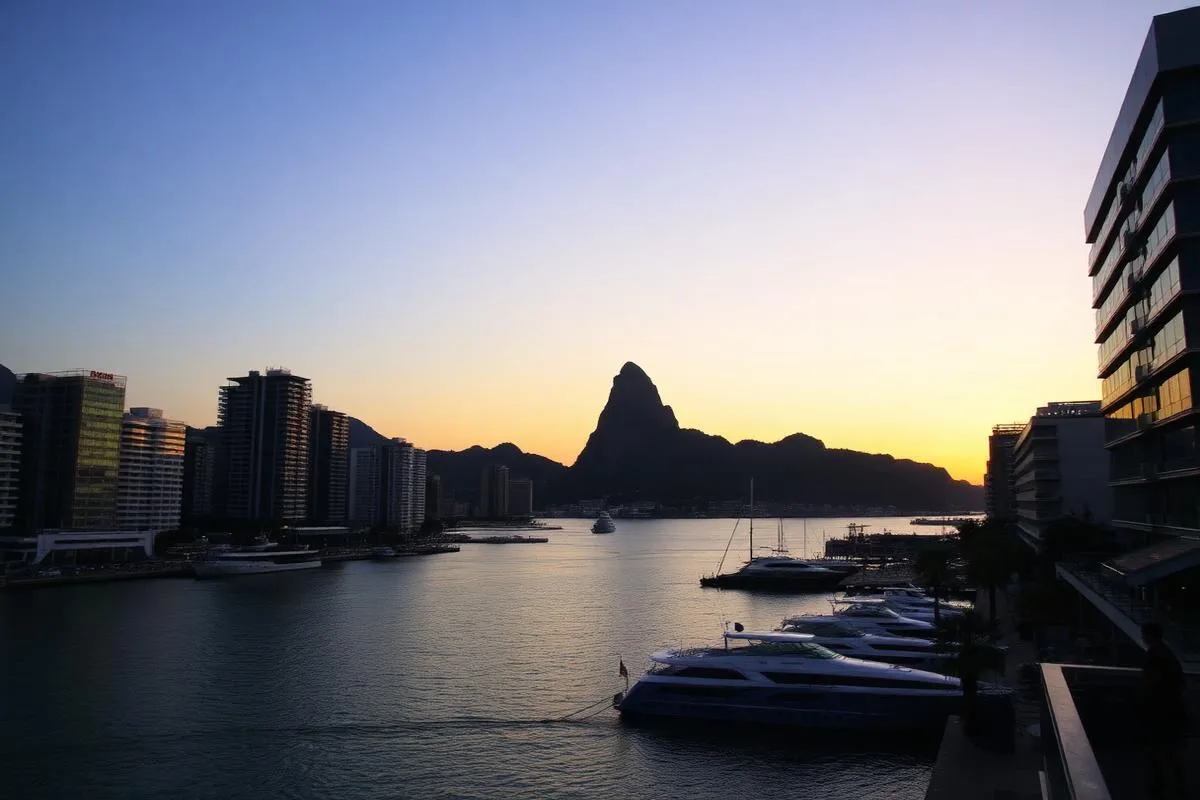
Botafogo
Best for: Value, food and transport
Excellent metro access and a local evening scene; ride from hillside edges.
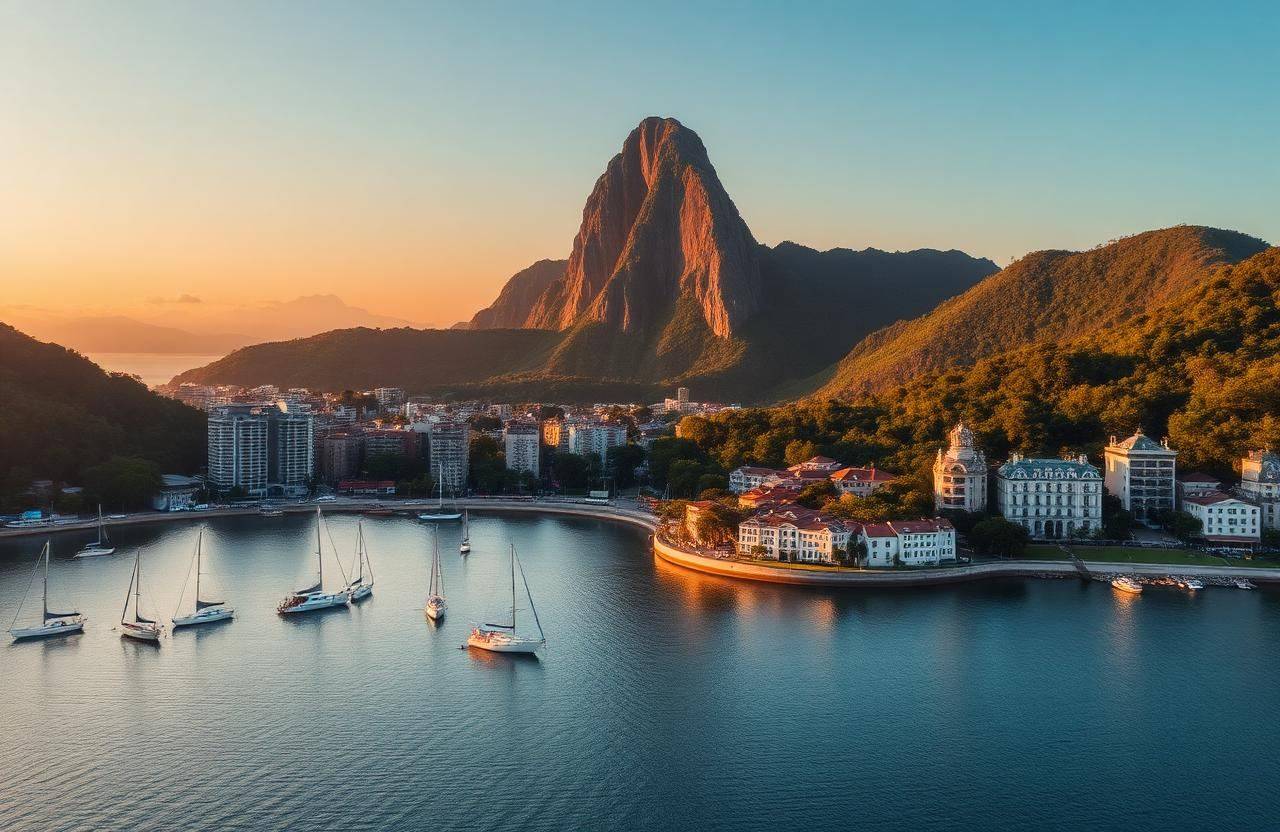
Urca
Best for: Quiet and Sugarloaf access
Compact and easy to read, though less convenient without app rides.
Images are illustrative scenes, not photographs of a specific street or hotel.
Hand-picked stays in the lower-friction bases
Choose a base to see the specific properties we shortlist there. We look for staffed entrances, short walks to busy streets and an easy ride pickup point. No Rio hotel removes normal street awareness.
Leblon: hand-picked stays
Leblon's calmer grid suits families and anyone who wants dinner within a short, busy walk.
Dates optional. Set guests and rooms on Booking.com.
Check what your room rate includes
- Breakfast, taxes and any extra fees
- Room type, guest count and bed setup
- Cancellation deadline and when payment is due
Confirm these on Booking.com for the rate you choose.
Janeiro Hotel
Best for: Design-led beach luxury in Rio's calmest premium neighbourhood
Know before booking: Leblon commands some of Rio's highest room rates.
Check Janeiro Hotel availabilityRitz Leblon
Best for: A practical hotel base near Leblon's restaurants and beach
Know before booking: Leblon is quiet and polished, but rarely the cheapest South Zone option.
Check Ritz Leblon availabilityLeblon Design Hotel
Best for: Social accommodation in an upscale, walkable neighbourhood
Know before booking: Check the newest noise, locker and bathroom reviews before choosing a room or dorm.
Check Leblon Design Hotel availabilityRead the map for your trip type
The same map answers different questions depending on how you travel. These are the adjustments we make most often when friends visit.
First-timers
Base in Ipanema or Leblon, keep day one to the beachfront and metro line, and treat Centro and Santa Teresa as guided or daytime trips until you can read the streets yourself. Our first-timer's guide sequences the first three days.
Solo travellers
Share your live location, prefer busy postos by day, and never take the last dark stretch to a hostel on foot. See the solo travel guide.
Families
Leme (Posto 1), Leblon and Urca give the calmest daily rhythm; keep a printed hotel address for children and agree a meeting kiosk before the beach fills. More in Rio with kids.
Nightlife-focused
Lapa works on busy Friday/Saturday event nights on the main strip only; ride in and out, carry a small cash float, and read our nightlife safety guide.
LGBTQ+ travellers
Ipanema's Farme de Amoedo corridor and the rainbow-flag stretch of beach by Posto 8 are the easy starting points. The UK FCDO warns that dating apps are used to target foreign visitors, so meet first in a busy bar. See our LGBTQ+ Rio guide.
Cruise passengers
Pier Mauá sits beside the port grid; use the VLT or a pre-arranged ride for the first kilometre and be back aboard before the square empties. Our cruise port guide maps the exits.
The transport rules we actually use
- Metro: practical for Ipanema, Copacabana, Botafogo, Centro and Tijuca during operating hours; choose your exit before reaching the street. A journey costs R$7.90; see the metro guide for lines and exits.
- App ride: match the name, plate and car; share the journey and wait inside a venue after dark. Uber, 99 and taxis are compared in our ride-app guide.
- Airports: ignore unsolicited offers and book through an official desk, app or known transfer.
- Central and Novo Rio: transfer with purpose and do not treat the surrounding roads as a walking connection.
- Buses, BRT and VLT: R$5.00 a ride and fine on busy daytime routes; at night, prefer the metro or an app ride. The bus and BRT guide explains payment.
- Hikes and remote beaches: agree the return before leaving signal and daylight behind.
Common mistakes tourists make
- Trusting a neighbourhood label: one busy avenue does not make every side street equivalent.
- Following the shortest walking route: hills, tunnels, major roads and community edges can make it the wrong route.
- Ordering a ride at the kerb: choose the pickup inside, then put the phone away until the vehicle arrives.
- Staying after the crowd leaves: Arpoador, Centro and event areas change fastest during dispersal.
- Taking every “local tour” claim literally: commercial assurances do not replace official travel advice.
- Assuming daylight means safe: phone theft peaks between 4pm and 9pm, not after midnight.
- Meeting an app match somewhere private: both the UK and U.S. advisories describe drugging and robbery after dating-app or bar meetings. See our scams guide.
The risk clock: when, not just where
A map answers where. The question it cannot answer is when, and for the most common crime against visitors in Rio the timing is unusually specific. The UK FCDO's Brazil advice identifies 4pm to 9pm as the window in which mobile-phone theft is most frequent, sometimes by armed offenders. That is not the dead of night — it is the end of a beach afternoon, the walk to dinner and the golden-hour photo stop, which is exactly when a visitor is most likely to have a phone out.
For scale: the 20th Anuário Brasileiro de Segurança Pública counted 830,890 phones taken across Brazil in 2025 — 308,723 by robbery and 483,561 by stealth — down about 9% on 2024, with robbery falling almost 19% while quiet theft edged up. The number worth internalising is not the total, though; it is what the handset is for. An Agência Pública investigation published in October 2026 traced stolen phones into four pipelines, and the profitable one is not resale: it is the banking apps, saved logins and Pix keys inside. That is why a screen-lock habit matters more than the insurance excess, and why our Rio phone-safety guide spends more time on settings than on straps.
Morning to mid-afternoon
The easiest window almost everywhere on this map. Beaches, Centro's cultural loop, Santa Teresa and the Lagoa circuit are all at their most straightforward. Do the ambitious route now, not later.
4pm–9pm · the phone window
Peak reported phone theft. Navigate before you leave, keep the handset in a front pocket rather than your hand, and step inside a shop to check a map. Arpoador sunset and the beachfront cycle lane are the classic snatch settings.
After the crowd thins
The map's night ratings apply. The trigger is not the clock but the dispersal: when a busy block empties, switch to a ride ordered from inside the venue. Never use the sand as a route.
Express kidnapping and the ATM run
Both the UK and U.S. advisories describe sequestro relâmpago: a victim held briefly and driven between cash machines to empty an account. The practical defences are boring and effective — never use an unlicensed taxi, use an ATM inside a bank branch or shopping centre during opening hours rather than a street machine at night, and keep your daily withdrawal limit low enough that a single session cannot hurt you. Our Rio ATM guide covers which machines to use and how to set that limit.
Dates, drinks and fake rides
The U.S. advisory says assaults using sedatives placed in drinks are common, especially in Rio, and that criminals target foreigners through dating apps or at bars. The UK FCDO adds robberies in cars using fraudulent ride-hailing accounts. Meet new people in busy venues, never leave a drink, and only get into an app car whose plate, model and driver match the booking. If something feels wrong, stay inside and ask staff for help.
The hazard that is not crime
The FCDO flags flash flooding and landslides where mountains meet the coast — which in Rio includes tourist areas. A summer downpour can close roads, strand you on the wrong side of a tunnel and make a hillside street genuinely dangerous. Check COR.Rio for city alerts before a Santa Teresa, Tijuca or Vidigal plan in heavy rain, and treat a stage-three or higher alert as a reason to change the day. Our rainy-season guide covers the months it matters.
The two dates that rewrite this map
Everything above describes an ordinary Rio week. Twice a year the city stops being that place: on 31 December, when roughly two and a half million people stand on one beach, and across the street-Carnaval season, which for 2027 is projected to run from 16 January to the Grupo Especial parade nights of 7–9 February. On those days the colour of a marker matters far less than crowd density, road closures and whether you can physically leave. Do not use the night ratings on this page as a substitute for the event-night plan.
Réveillon, 31 December
Copacabana and Leme become a single managed crowd with a dedicated metro operation and staged road closures. The risks shift from street robbery to separation, heat, dehydration and a slow, compressed exit. Choose your beach section from your bed backwards, carry almost nothing, and agree a landmark before anyone drinks.
Street Carnaval, mid-January to February
Blocos put dense daytime crowds into Centro, the beachfront and Santa Teresa's cobbled lanes, and they concentrate at 07:00 rather than at night. Phone and chain theft rise with the density; so does the risk of simply not being able to move. Stand at the edge, not near the sound truck, and plan the walk out before you walk in. On parade nights, the Sambadrome marker on the map covers the late exit.
The same logic applies to any match day at the Maracanã, a Rock in Rio-scale festival night or a big concert in Centro: the map's bands assume normal foot traffic, and an event changes both the crowd and the way out. Check COR.Rio on the day for closures and the city's operational stage.
Local expert tips
Use the two-second street check
Open shops, families and normal foot traffic are useful context. If the next block is abruptly empty, change route without debating it.
Screenshot before walking
Study the next turn indoors, save the hotel address and avoid navigating with a bright phone held towards the cycle lane.
Carry a boring day kit
One payment card, R$50–100, a copy of your passport and a small zipped bag are enough for most days; leave the rest secured.
Use a beach barraca as your base
Rent chairs from one barraca (beach stall) and ask the owner to watch your bag while you swim. Regulars do it daily, and it is far safer than leaving things on a towel.
Keep a decoy and a backup
An old phone or a small cash float in an outer pocket means a robbery costs you little. Keep a second card at the hotel so a lost wallet does not end the trip.
Save the numbers offline
Write 190, 192, 193, your hotel's phone number and your embassy's emergency line on paper. If the phone goes, so does your contact list.
Emergency and tourist-support contacts
Police
190Ambulance
192Fire
193DEAT tourist police
+55 21 98596-7474BPTUR tourist policing
+55 21 99101-8618The Ministry of Communications reconfirmed 190 (police), 192 (ambulance) and 193 (fire and rescue) in September 2026. Rio State's English tourist-safety booklet, dated October 2025, lists DEAT at +55 21 98596-7474 and BPTUR at +55 21 99101-8618; numbers can change, so verify those non-emergency lines with your accommodation or the official State Tourism guide before calling. For an emergency, use 190, 192 or 193 first. If robbed, do not resist; move to an open business, block cards and devices, then file a boletim de ocorrência (police report) — our robbed-in-Rio guide explains which reports can be filed online and which cannot.
Methodology and official sources
We combine official precautionary guidance with route-level editorial knowledge. We do not turn district-level police records into fabricated block scores, and we review this safety-critical page at least every 90 days. External authorities may be more conservative than local tourism operators; we show that difference instead of hiding it.
Rechecked 7 November 2026. The U.S. advisory is still Level 2 (“exercise increased caution”) for crime and kidnapping, and still says not to enter informal housing developments even on a guided tour. It also says not to walk on beaches after dark and names drink spiking and dating-app robberies as common in Rio, which we added to this page. The UK FCDO page was updated on 28 October 2026 and keeps the 4pm–9pm phone-theft window, the warning against all favelas and the advice to stay off city beaches after dark. We added 15 places to the map (now 60), a where-to-stay link for every place that works as a base, and night-band groupings. Existing area bands were not changed.
Previously rechecked 28 October 2026. The UK FCDO's 4pm–9pm phone-theft window and the emergency numbers 190, 192 and 193 were unchanged. We added the 2025 national phone-theft figures from the 20th Anuário Brasileiro de Segurança Pública and the Agência Pública investigation into what happens to a handset afterwards, plus a section on the two event dates that override the night bands on this map.
Cite or analyse the map
Journalists, researchers and travel planners can use the structured dataset behind this page. Attribute it as PlanRio Editorial Team, “Rio de Janeiro Safety Map”, reviewed 7 November 2026, and link to this page. The bands are editorial visitor guidance—not live crime probabilities or official neighbourhood ratings.
Frequently asked questions
Is Rio de Janeiro safe for tourists in 2026?
Rio de Janeiro is manageable for tourists who use normal big-city precautions and change how they move by place and time. Keep phones discreet, use busy streets, take verified app rides after dark and do not resist a robbery. This map is a planning baseline, not a live guarantee of safety.
What are the best lower-caution areas to stay in Rio?
Leblon, Ipanema, Urca and Botafogo are the easiest visitor bases because daily routes are compact, services remain active and transport is straightforward. Copacabana is convenient but needs more street awareness, especially away from the beachfront and after late-night bars close.
Which areas of Rio should tourists avoid?
Avoid unfamiliar communities, isolated streets, beaches after dark and walking to or from Central do Brasil or Novo Rio bus terminal. Centro is rewarding on a planned weekday route but many office streets empty at night. Conditions can change, so check same-day official and local advice.
Is Copacabana safe at night?
Copacabana's busy beachfront and restaurant blocks can be comfortable for short evening walks, but the neighbourhood is not uniformly safe. Keep your phone out of sight, avoid the sand after dark and use a verified app ride after late drinks or for quiet streets several blocks inland.
Are Ipanema and Leblon safe at night?
Ipanema and Leblon are among Rio's lower-friction visitor areas, but phone theft and opportunistic robbery still occur. Walk on lit restaurant and shopping streets while they are active; switch to a verified app ride when streets empty, after midnight or when your destination is on a quiet edge.
Are Lapa and Centro safe for tourists?
Lapa works best on busy event nights when you stay on the main venue streets and leave by verified ride. Centro is best on a planned weekday daytime loop. Neither is a place for unplanned late-night wandering, and the quiet blocks around them can feel different from the main attraction corridor.
Is Santa Teresa safe for tourists?
Santa Teresa is rewarding by day if you stay on the tram line and the main cultural streets around Largo do Guimarães and Largo das Neves. Its hillside edges change abruptly, so do not follow a map shortcut downhill on foot. After dark, go to a named restaurant and ride both ways.
Is Barra da Tijuca safe?
Barra da Tijuca feels orderly inside condominiums, malls and along the daytime beach, but it is built for cars, not walking. Distances between hotels, restaurants and beach access points are long and often empty on foot, so treat every evening trip in Barra as a door-to-door app ride.
Is it safe to walk on Rio's beaches at night?
No. Do not use Rio's sand as a walking route after dark, even in Leblon, Ipanema or Copacabana. Move to a populated, well-lit promenade for a short walk or take a verified app ride. During the day, ocean conditions and unattended belongings are the principal beach risks.
Is it safe to visit a favela in Rio?
Government guidance is stricter than much commercial tour marketing, and it is worth reading the actual words. The UK FCDO tells travellers to “avoid all favelas, including favela tours marketed to tourists and any accommodation, restaurants or bars advertised as being within a favela”, noting that tourists have been shot after accidentally entering one. The U.S. advisory likewise says not to enter informal housing developments even on a guided tour, because conditions change without warning. That explicitly covers a favela guesthouse or hilltop bar, not just a jeep tour. PlanRio does not label any community safe and does not override your government’s advice — read it, and note that entering against it may also affect a travel-insurance claim.
What is the safest way to get around Rio?
MetrôRio is practical for the main visitor corridor during operating hours, while verified app rides or official taxis are the default after dark. At GIG, Novo Rio and cruise arrivals, order or pre-book transport through an official channel and always match the driver, vehicle and number plate.
Are Uber and 99 safe in Rio de Janeiro?
App rides are how most residents and visitors move after dark, and they remove the street-hail risk. The UK FCDO has reported robberies in cars using fraudulent ride-hailing accounts, so order from inside a venue, check the plate, model and driver's name before opening the door, share the trip and sit in the back.
Can I use my phone on the street in Rio?
Use it, but not as you would at home. The UK FCDO says thieves target mobile phones particularly between 4pm and 9pm. Check directions inside a shop, keep the phone in a front pocket rather than in your hand by the kerb or cycle lane, and set a strong screen lock before you travel.
Who should a tourist contact in an emergency in Rio?
Call 190 for police, 192 for an ambulance and 193 for the fire service. The current Rio tourist-safety guide lists DEAT tourist police at +55 21 98596-7474 and BPTUR tourist-area policing at +55 21 99101-8618. For changing weather and city incidents, check COR.Rio alerts.
Protect the part the map cannot prevent
A map cannot prevent illness, baggage loss or a stolen phone. If you buy insurance, confirm that medical care, theft and any planned hiking or adventure activities are actually covered—not merely named in the sales page. Our Rio travel-insurance guide lists what to check, including phone-theft limits and the police report most insurers require.
Check travel insurance