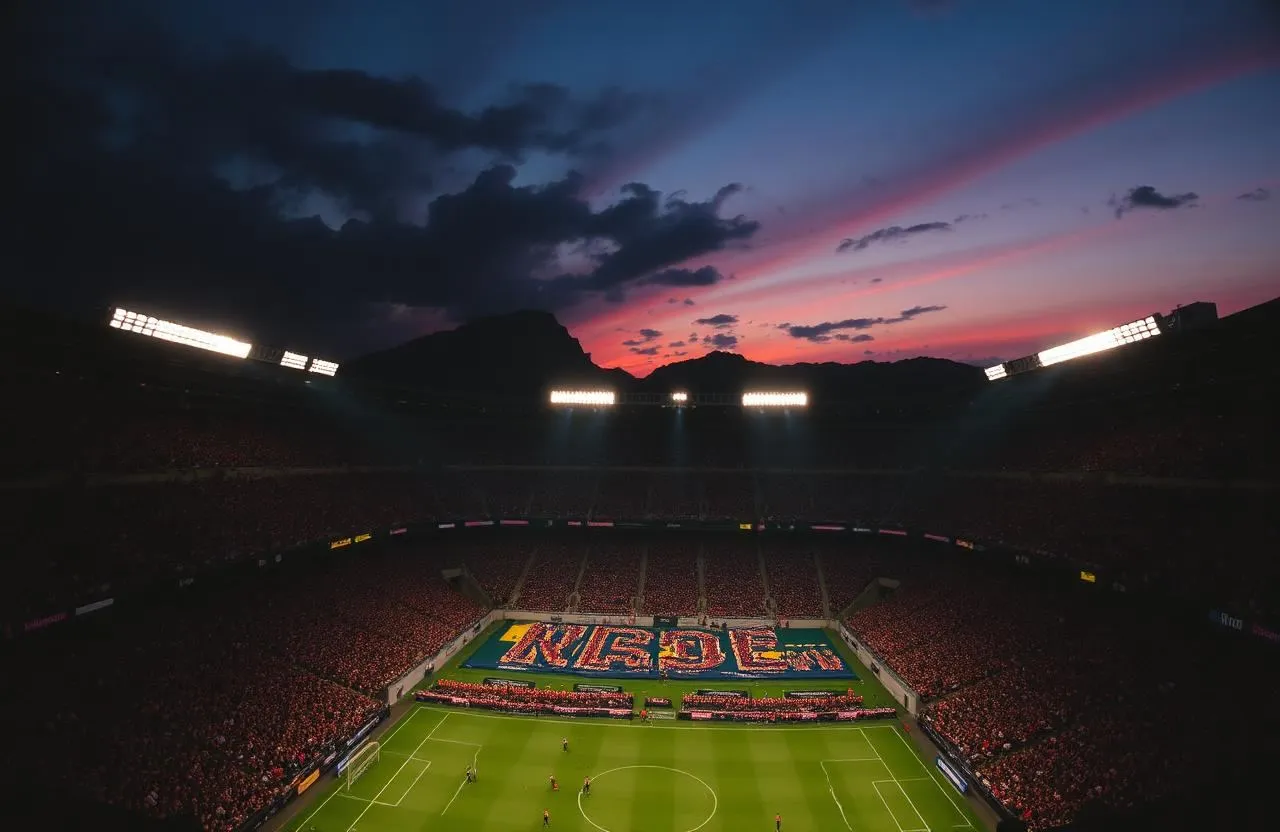
Where to Stay Near Maracanã (2026): Matchday Hotels & Metro
Written and reviewed by Lotte — Rio local, founder & editor of PlanRio · How we research · First published · Last reviewed
Quick answer
Stay near Maracanã when a match or concert is the main reason for the trip, especially if you have an early departure or want to avoid a long post-event transfer. For one event within a longer Rio holiday, usually keep your hotel in a visitor district and take the metro to the stadium. Compare Maracanã, São Cristóvão and Tijuca by the exact gate, station route and late-night plan.
A hotel near Maracanã sounds like the obvious choice for a match. Sometimes it is. It can make arrival, a return after the final whistle and an early departure much easier. But a stadium is not a visitor neighbourhood, and sleeping nearby for one event can add unnecessary hotel changes or long cross-city journeys to the rest of a Rio holiday. The right answer depends on how much of the trip happens at the stadium and what time the event ends.
The stadium sits in a different part of Rio from the ocean beach districts. MetrôRio serves the stadium through Rei Pelé–Maracanã and nearby São Cristóvão, but access gates and event operations can change which station is the better choice. The operator’s current station pages describe the access points. Use the gate printed on your ticket and current operator notices rather than following a generic map route.
Accommodation labelled “near Maracanã” can include the stadium district, São Cristóvão or the broader Tijuca area, and Booking’s district results should be checked on a map because nearby listings can spill outside the named zone. This guide compares those bases with Centro, Lapa and Zona Sul, and helps you choose for a match, a concert, a stadium tour or a mixed Rio itinerary.
At a glance
| Best for | A match or concert-led visit, an overnight event trip or an early departure after the stadium |
| Closest metro access | Rei Pelé–Maracanã and São Cristóvão; the gate and operator event plan affect which is useful |
| Stay nearby if | You have several stadium events, a mobility or luggage reason, or want to avoid the post-event cross-city trip |
| Stay elsewhere if | The event is only one evening and the rest of the trip centres on Rio’s beaches or visitor districts |
| Nearby areas to compare | Maracanã, São Cristóvão and Tijuca, then Centro/Lapa or the Zona Sul for broader trip plans |
| Before booking | Verify the event date, stadium gate, metro access, room check-in and return transport separately |
Sleep by the stadium only when proximity changes the trip in a meaningful way
I would stay near Maracanã for a two-night football trip, a run of matches, a concert with a late finish, or when the morning after the event starts early. A short, clear return is valuable when the crowd is leaving together and ride-hailing pickup points are busy. For a traveller with mobility needs, children or a lot of gear, reducing the number of transfers can matter more than keeping the hotel in a famous visitor district.
For one evening inside a longer sightseeing holiday, I would usually keep a hotel in the area where I want breakfast and most of my mornings. MetrôRio is a direct event-day option from several visitor districts, and the stadium is often simpler to reach than the return feels after a late match. If you choose a nearby hotel, compare whether it offers useful transport and food on non-event days; a stadium-side address can be quiet and thin on visitor services when no event is happening.
Worth it if…
Your itinerary is built around the stadium, or a late finish and early start make a nearby room genuinely useful.
Skip it if…
The match is one night in a short beach-and-sightseeing trip; keep your room in the district you will use most.
Maracanã or São Cristóvão?
Compare the exact property and the gate-specific station route. Both stations can serve stadium access, but they are not interchangeable for every entrance.
Best compromise
Stay by a visitor-area metro station if you want Rio’s normal hotel choice and can take the train to the match.
The Maracanã micro-areas that change the stay
Use these named anchors to check a real address. Neighbourhood labels cover several different daily routes; the building entrance, not the map pin, determines whether the area works for your trip.
Area 1 · Estádio do Maracanã · Rei Pelé–Maracanã station · Av. Radial Oeste
The stadium-side blocks in Maracanã
Best for: A short match trip, several events or a night when the walk back matters more than sightseeing convenience.
A room close to the stadium can give you a simple route before the crowd builds and a shorter return afterward. It is the most event-focused choice and can be especially useful if you plan to arrive well before kickoff, visit the official stadium tour on another day or leave early the next morning. Check the exact entrance, not only the kilometre count: the MetrôRio station page names the stadium access for Rei Pelé–Maracanã, and its official attraction information describes nearby station and gate relationships.
Do not assume that the closest block will be lively in the way a tourist district is. Outside event periods, the day may feel more ordinary and the nearby restaurant choice more limited than you expect. On an event day, the same streets may be loud, congested or temporarily altered. Ask about room orientation, event noise, arrival restrictions and whether a car can reach the property while crowds gather.
Trade-off: Convenient for the venue, but the neighbourhood’s value depends heavily on the event calendar and your exact address.
Before booking: Check the stadium gate and station against the property pin; ask about event-day street access, noise and check-in.
Area 2 · São Cristóvão station · Quinta da Boa Vista · stadium approaches
São Cristóvão and the Quinta da Boa Vista side
Best for: Visitors comparing stadium access with a wider northern-Centro itinerary.
São Cristóvão is another useful stadium-side anchor. MetrôRio describes its station as an access point for both Maracanã and Quinta da Boa Vista, and it also connects with the urban train network. That can be attractive if your plans include more than the stadium. The walking route and stadium gate still matter; do not infer that any accommodation carrying the São Cristóvão label is close to the station or stadium entrance you need.
Treat this as a transport decision before it is a hotel decision. Open the property pin, mark the station entrance, event gate and your non-event destination, then inspect the walking legs. If your match ticket assigns a specific gate, use the stadium and operator guidance to choose the route. For a post-event walk, keep to a clear route with other people and use a car from a designated pickup point if that feels more practical.
Trade-off: Can connect the stadium and other north-Centro sights, but property quality and walkability vary by block.
Before booking: Confirm which station entrance and stadium gate are relevant, and test the walk with the actual accommodation address.
Area 3 · Tijuca · match-route stations · local shops and restaurants
Tijuca near a metro station
Best for: A match plus neighbourhood stay, or a trip where local cafés and shopping matter outside event hours.
Tijuca is a larger district, so treat “near Maracanã” as a prompt to investigate rather than a location. Some addresses are more useful for daily errands and metro access than a property immediately by the stadium. The trade-off may be a short metro or car journey to the event in exchange for better food and services near home. For a multi-night stay, that can be a more balanced routine.
Compare the walking distance to the station and whether the route remains simple after the event. A hotel can be close to a station but on the wrong side of a long crossing, while another a little farther away may be on a straightforward main route. Check reception hours and whether the entrance remains accessible when you return late. If you expect a lot of stadium sound, look for a room facing away from major traffic or event movement.
Trade-off: More of a neighbourhood base than a stadium doorstep, but it does not guarantee a short walk to the match.
Before booking: Use a station pin rather than a district label, and confirm late entry and transport after event hours.
Area 4 · Centro · Cinelândia · Lapa · central metro connections
Centro and Lapa for a city-centred trip
Best for: Visitors combining the match with downtown museums, historic sights, samba or a broader event calendar.
Centro or Lapa can make more sense than a stadium-side hotel if the event is only one part of a Rio visit. You keep the historic core, museums, restaurants or nightlife closer to the room and take the metro to the stadium. This works best when you choose lodging near a practical station and plan a reliable late return. A Lapa room directly above a club can introduce its own noise; see the dedicated Lapa stay guide if nightlife is part of the plan.
The main risk is assuming a metro service always runs late enough for your exact event. Check the current operator notice, last boarding conditions and any event-specific service plan. If the match ends after normal operations or the event includes a long exit, you may prefer a stadium-side night or an app ride. Do not book a whole stay in a less suitable district just to solve one match unless the return is truly the priority.
Trade-off: More useful for city sightseeing, but the event-night route and service hours need planning.
Before booking: Choose an address near a station you can identify confidently and decide your late-night back-up before match day.
Area 5 · MetrôRio Line 2 connections · Flamengo · Botafogo · Copacabana and Ipanema
Flamengo, Botafogo and the beach-side visitor districts
Best for: A longer holiday where the stadium is one night among beaches, restaurants and major visitor sights.
For many first-time visitors, the beach districts are still the better home base. They offer a larger selection of hotels, more familiar tourist services and the daily routine many people come to Rio for. The match then becomes an evening trip by metro or car rather than the reason to move the hotel. This is especially sensible when a group has different plans on the other days or wants to return for a break between sightseeing and dinner.
The metro connection can make the trip manageable, but route changes and event operations are date-specific. Check whether your station is on a useful line for the event, where you will transfer and how late the return service boards. A direct ride-hail may be convenient in one direction and difficult immediately after the event. Keep the hotel address and a second route option saved before leaving.
Trade-off: Better for most of a beach holiday, but it means a cross-city trip for the game and a crowded return.
Before booking: Check the current metro map and event notice from the exact hotel station, then decide how you will return if trains are busy.
Should you stay beside Maracanã or commute for the match?
Start with the length and shape of the trip. If you are in Rio for football and will attend more than one event, the stadium-side location has a clear purpose. You can arrive early, avoid crossing the city with a ticket and return to the room without joining the longest outbound flow. If you are in town for five days and one of them includes a match, a hotel near the beach, a museum or your favourite dinner district is usually more valuable on the other four days.
Think about the actual end of the event, not just kickoff. A football match has a known approximate duration, but the pre-match arrival, security checks, halftime and the time it takes to exit add more. A concert can finish later and disperse over a wider window. Crowds may close streets or overwhelm nearby rides. Your accommodation choice should reduce the most stressful leg, whether that is the trip in, the trip back, a morning flight or a late check-in.
Also separate a live match from a stadium tour. A tour can run in a different time window from an event and may be affected by stadium preparations. If the tour is your only reason to visit, a normal Rio base plus a planned transit trip is often enough. If you are attending a live match, the gate and match-specific transport notice matter more than the general stadium map.
Do a quick two-day test. Ask what your ideal morning is the day before the event, what you want to do the morning after it, and where you are sleeping the final night. If those answers point to beaches or Centro, do not move everything for one match. If they point to Maracanã or a northern-Rio appointment, a nearby stay may simplify the trip.
When proximity is worth paying for
Paying for proximity can be worthwhile when it removes a late cross-city ride, makes a second event possible, supports a traveller with mobility needs or gives you a straightforward early departure. It is not worth paying a premium just for the phrase “near Maracanã” when the room is actually in a different district or the route crosses a difficult road. Verify the address before comparing price.
Use the stadium gate to plan the transit route
MetrôRio lists Rei Pelé–Maracanã and São Cristóvão as stations serving the stadium area. Its official stadium information connects different gates with different approaches. That is why “take the metro” is not complete advice: check the gate on the current ticket and use the operator’s current station information and event notices. A gate assignment can determine the best station, the best side of the stadium and where you should meet a companion.
Do not rely on a generic event-day map or old forum directions. Match organisers may alter entrances, routes, transfers or service for a particular fixture. MetrôRio posts event operations and service updates; the current notice for your date takes priority over an evergreen guide. Stadium instructions should also determine which bags and items are allowed, where biometric registration is required and how ticket names are checked.
With luggage, choose the hotel first and store bags before heading to the stadium. Stadium entry rules can limit what you can carry, and a backpack that is fine at the hotel may not be admitted. Ask about early check-in or luggage storage in writing. If you have to go directly from an airport or meeting, leave enough buffer to get to your room or a proper storage point before the gate opens.
For visitors with mobility needs, check step-free access, the route between station and gate, accessible seating and any required companion rules directly with the operator and venue. “Accessible” can mean several different things; it does not guarantee that a particular entrance, room or seat works for you. Ask concise questions and keep written confirmation with your ticket.
Plan the way home before the crowd leaves
The exit is part of the event. After a match, large groups head for the same station, taxis and pickup zones. If you are staying nearby, know the walk and the property’s entrance before arrival. If you are staying in another district, identify a station route and a road-based back-up, and agree on a meeting point with your group before losing mobile signal in the crowd.
Do not assume an app car can collect you at the stadium gate. Event management, traffic and road closures can move pickup points or make a driver wait far away. Use official instructions and a clearly named pickup location; do not walk through a quiet or unfamiliar area staring at your phone to find a car. If the metro is still running and you are comfortable with the crowd, it may be more predictable than driving away from a full stadium.
Know when the normal service ends and whether the event has an extension. A stadium operator’s station page may list regular access information, but event-specific service is separate. If the end time is late, book an accommodation where a road ride is straightforward or spend the night nearby. A cheap hotel far across the city becomes expensive when the return plan fails.
For a group, share the hotel address, one local contact method and a fallback meeting place. Keep a power bank and enough data to contact the accommodation. If someone leaves early, agree how they get back; a companion should not need to cross the whole stadium on their own looking for a meeting point after the final whistle.
Match trip or broader Rio holiday: choose the right base
For a football weekend, a near-stadium hotel may save a transfer and let you focus on the match, a stadium tour and local football culture. For a beach holiday, a base in Flamengo, Botafogo, Copacabana, Ipanema or Leblon is more useful for the daily itinerary. For Centro museums and Lapa nightlife, choose a central district with transport you understand. There is no single winner; count where you will wake up, not how exciting one event sounds.
A split stay works when you have enough nights and a natural transition. You could stay near the event before or after the match, then spend the rest of the trip in a beach neighbourhood. But changing hotels uses time: packing, checkout, luggage storage, travel and check-in can absorb a morning. A split stay is most helpful when your stadium plan is a key trip purpose or a late match would otherwise create a difficult return.
A one-night stadium stay can also be a practical buffer before an early flight, but compare the airport route carefully. Maracanã is not at the airport, and a booking page’s “central location” label does not answer how long the car will take in traffic. If your flight is early, ask the hotel how taxis or app rides work at that hour and book on the correct side of the city for the airport you are using.
How to judge a hotel listing near the stadium
Search result labels can be loose. A Booking district page may surface properties across nearby districts, so use the map as well as the text. Compare the hotel pin with your gate, the station you need and the places you will visit on non-event days. If a listing says five minutes away, confirm whether that refers to driving, walking, a gate or the stadium centre.
For a match night, inspect the cancellation rules and the full total before paying. Fixture dates and kickoff times can change, and not every ticket or hotel rate handles a schedule shift the same way. A flexible hotel rate has value if the date is uncertain; a non-refundable deal may be reasonable only after the event and ticket terms are settled. Never assume the ticket provider’s refund policy also applies to accommodation.
Read recent reviews for sleep quality, air conditioning, reception, soundproofing, event-day crowds, building access and staff help. Check the room category: an avenue-facing room may hear more street activity than an interior room. Ask whether the property is staffed when you arrive and whether you can enter late. For a short stay, clear communication and luggage storage may matter more than a rooftop or breakfast buffet.
Look at food and supplies outside the event window. Is there a breakfast option for the next morning? Can you buy water, a snack or basic toiletries close by? Will a restaurant be open after the match? If the answer is no, bring essentials from a busier district rather than expecting every stadium-area shop to operate on your timetable.
Stadium tour versus live match: book the right experience
A stadium tour and a live football match are different products. A tour offers access to selected interior areas and exhibits when the venue permits it; a match is a timed event with a specific opponent, ticket zone and entry procedure. The tour product linked here is for the stadium and museum, not a match ticket. Check its current meeting point and entry inclusions, especially if you are planning around a fixture.
The live-match experience listed in the booking module includes a ticket, a local host and transport according to the current product page. Match dates and kickoff times can change, and stadium access now includes identity and registration requirements. Read the full checkout information, provide accurate traveller details and confirm the event before booking unrelated timed plans around it. A product page is not a substitute for an official fixture announcement.
If you are an experienced football traveller and prefer to arrange entry yourself, compare the official club or stadium ticket instructions with any third-party product. Do not buy tickets from a street tout, and do not assume a seat location from a marketing photo. Understand which supporter sections are appropriate for your group and follow the ticket’s gate assignment.
When staying near Maracanã is not worth it
Skip the stadium area if your match is one evening and your hotel budget is already committed to a beach district you want to experience. A single metro trip can be a better trade than moving rooms and waking up far from the coast. Check the current service and late return first; if it works, keep your base where you will spend most of the trip.
Skip a “near stadium” listing when the pin is vague, the property has few recent reviews or the host will not explain event-day access. Crowds and traffic make an unclear location worse on a match night. A property one station away with reception and a straightforward route can be a better choice than a closer apartment with a fragile check-in.
Skip an event-night plan that assumes the metro or road network will behave exactly like an ordinary Tuesday. Special operations can be helpful, but they are published for particular events and may change. If the match ends late, have a room or road route that still works when the normal plan does not.
Who should stay in Maracanã?
Strong fit
Football weekend visitors
A stadium-side or Tijuca base can reduce the event-night return and keep the trip centred on the match.
Mixed fit
First-time Rio visitors with one match
Stay near the beach or main sightseeing area for the rest of the holiday, then plan one metro trip to the stadium.
Possible fit
Concert visitors with an early flight
An overnight near the venue may help after a late finish, but compare the actual airport route and property check-in.
Depends
Families and mobility-limited travellers
Proximity can reduce transfers, but verify step-free paths, room access, seating and venue-specific arrangements directly.
Usually skip
Visitors planning a stadium tour only
A normal Rio base is often enough for a planned daytime visit; check tour availability and transit before changing hotels.
Usually skip
Beach-first couples and groups
The stadium is away from the ocean districts, so a match-side room can make most mornings less convenient.
Find a nearby stay, plan the event and stay connected
Links may earn us a commission at no extra cost to you. This supports PlanRio and never changes our independent recommendations.
This Booking district search is date-dependent and its nearby results may include other neighbourhoods. Check the map, address and event-night route before choosing; this is not a PlanRio-curated property list.
Search stays near Maracanã on Booking.comThis specific listing combines a live match with a local host and transport. Fixture times can change, and entry requirements are strict; compare the details and cancellation terms with your confirmed match plan.
Check the live match experience and datesThis is a stadium visit and museum experience, not a live-match ticket. Access and tour availability can change around events, so confirm current entry details.
Check the Maracanã stadium tourIf you want mobile data for tickets, directions or coordinating after the event, check phone compatibility and compare the plan's data, validity and any call or text allowance.
Get an Airalo eSIM for BrazilA booking checklist for Maracanã
- Confirm the fixture or concert date before choosing a non-refundable room or tour.
- Check the event’s current gate, ticket rules and MetrôRio route for that gate.
- Verify the property’s exact map pin, room entrance, station walk and event-day road access.
- Read recent room reviews for noise, air conditioning, reception, cleanliness and late-entry instructions.
- Compare a stadium-area stay against a visitor-district hotel plus the cost and time of a match trip.
- Confirm whether the property can store luggage before check-in and after checkout.
- Plan a late-night fallback if the metro is crowded, service changes or ride pickup is moved.
Common mistakes tourists make
- Booking a stadium-side hotel for an entire beach holiday because one match is on the calendar.
- Using the stadium centre pin instead of the gate and station assigned on the current ticket.
- Assuming an app car can collect directly outside the gate after a full event.
- Expecting the MetrôRio station page’s standard information to include a special event extension.
- Confusing a stadium tour with a live-match ticket or assuming one product’s refund rules apply to the other.
- Trusting “near Maracanã” without checking the map pin, property entrance, reception and event-day route.
Local expert tips
- Use the ticket gate as the first pin and the hotel entrance as the second; build the route between them before match day.
- Check MetrôRio’s station and event notices close to the match and save the relevant page offline.
- Store bags at the hotel before going to the stadium and read venue restrictions for the event.
- For an event-night pickup, use the officially designated meeting point and wait with your group in a visible place.
- Ask the hotel whether its door remains open after midnight and whether a late return creates an entry issue.
- Keep the stadium visit and live match as separate itinerary items; tour access can be changed for event operations.
- If your stay is only one evening, compare the cost of a match-side room with one planned metro or ride-hail return.
Frequently asked questions
Is it worth staying near Maracanã Stadium?
Staying near Maracanã is worthwhile when the match or concert is the main reason for the trip, or when a late finish makes the return difficult. For one event during a beach-focused Rio holiday, a hotel in your preferred visitor district is usually more useful.
Where is the best place to stay for a Maracanã match?
Compare the stadium district, São Cristóvão and Tijuca against the exact stadium gate and metro station on your ticket. Choose a visitor district instead when the match is only one evening and the rest of your plans are elsewhere.
Which metro station should I use for Maracanã?
MetrôRio lists Rei Pelé–Maracanã and São Cristóvão as stadium access points. The right station depends on your assigned gate and current event operations, so check the operator’s station information and the directions on your ticket.
Is it safe to walk from Maracanã to a hotel after a match?
The right route depends on the property, crowd and time. Follow event instructions, stay on clear public routes with other people, keep your phone discreet and use an app ride from a designated point if you do not feel comfortable walking.
Are there hotels in the Maracanã district?
Booking.com has a district search for Maracanã, but the available results are date-dependent and may include nearby districts. Check the map, property address, reviews and stadium route rather than relying on the search title alone.
Should I stay in Tijuca or by the stadium?
A stadium-side address shortens the event route; Tijuca may give you more everyday services and a neighbourhood stay. Compare the station walk, match gate and late entry at the exact property before deciding.
Can I stay in Copacabana and go to a Maracanã match?
Yes. A beach-district hotel can work for a Rio holiday with one match, using MetrôRio or a car to reach the venue. Check the current event service plan, allow time for the crowd and decide how you will return before leaving the hotel.
Is the Maracanã stadium tour the same as a match ticket?
No. A stadium tour is a separate visit to selected stadium areas and exhibits; it does not admit you to a live match. Tour access and availability may also change around event preparations.
Should I stay near Maracanã for a stadium tour?
Usually not for a single daytime tour. A standard Rio hotel base is often easier for the rest of the trip; book near the stadium if you have multiple events or another practical reason to stay in the area.
Sources and current checks
We avoid fixed fare and schedule promises in this guide. Check the operator's live information for the day you travel, especially around events and holidays.
- MetrôRio — Rei Pelé–Maracanã station ↗
Official station information for the Maracanã-side stadium access and current service details.
- MetrôRio — São Cristóvão station ↗
Official station page for the second nearby stadium approach; compare it with your assigned gate.
- MetrôRio — Maracanã visitor information ↗
Official operator guide to stadium access and metro approaches. Event-specific notices take priority.
Keep planning
Where to stay in Rio de Janeiro
Compare beach, central and event-area accommodation for the whole trip.
Maracanã match and stadium guide
Plan tickets, stadium access and the football experience.
Is the Maracanã stadium tour worth it?
Decide whether a daytime stadium visit belongs in your itinerary.
Rio metro guide
Check how the rail network fits a stadium event and the return route.
Where to stay in Lapa
Compare a central nightlife base with a match-side overnight.