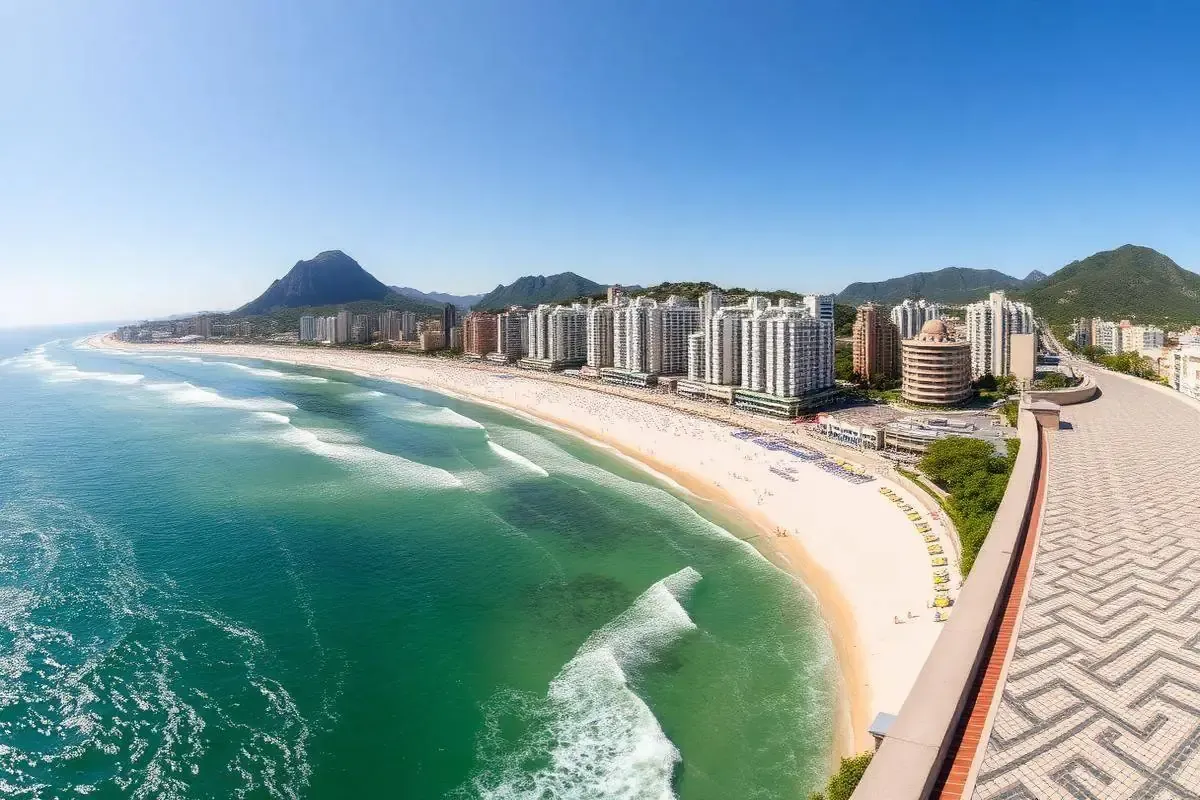
Copacabana Beach: Best Sections, Swimming & Safety
Written and reviewed by Lotte — Rio local, founder & editor of PlanRio · How we research · First published · Last reviewed
Quick answer — which part of Copacabana Beach is best?
Choose Leme for a quieter beach morning, Postos 4–5 for Copacabana's busiest everyday atmosphere, or Posto 6 for easier access to the fort and Arpoador. Swim only near lifeguard posts when flags allow it, bring minimal valuables, and move to the Avenida Atlântica pavement after dark.
Copacabana Beach at a glance
| Beach length | Almost 4 km from Leme to the Forte de Copacabana end |
| Quieter section | Leme, at the eastern end |
| Best for Ipanema access | The area commonly called Posto 6, beside the fort |
| Swimming | Check the INEA bulletin and the lifeguard flag on the day |
| Metro access | Cardeal Arcoverde, Siqueira Campos and Cantagalo |
| After dark | Leave the sand and use the Avenida Atlântica pavement |
| Forte de Copacabana | Tue–Sun/holidays 10:00–19:00; R$10 adult, cash only |
Check the water, not just the weather
INEA samples several points along Copacabana. Open the latest Zona Sul bulletin, then obey the flag and lifeguard advice in front of you; a periodic lab result cannot describe a sudden shore break or debris after rain.
Open the official INEA bathing bulletins →Copacabana is more than a beach — it is a global symbol. The almost four-kilometre crescent, Portuguese-stone promenade and dense wall of buildings produce Rio's most democratic public room: swimmers at dawn, delivery riders on a break, retirees playing cards, visitors hiring chairs and whole families arriving with lunch.
It is also misunderstood. Many visitors arrive expecting resort polish and find noise, apartment towers and vendor pressure instead. That grit is part of the place, but it means choosing the right section matters. This guide separates a quiet Leme morning from central Copacabana energy and the fort end, without pretending any stretch has permanently calm water or zero theft risk.
← Back to the complete beach guide · Explore the Copacabana neighbourhood · Compare Ipanema vs Copacabana
Understanding Copacabana's sections
The continuous beach runs almost four kilometres from Leme to Forte de Copacabana. People use the rescue-post numbers as meeting points, although the southern end is commonly called “Posto 6” even when they mean the fishing colony and fort area rather than a lifeguard building.
Leme (eastern end)
Usually the calmest atmosphere, with more local families and less vendor pressure. The headland shelters the setting, not every sea condition: check the flag before treating it as a children's swimming beach.
Posto 2–3 (central Copacabana)
The hotel-heavy tourist core around the Copacabana Palace and Cardeal Arcoverde access. Busy, convenient and good for a first look, but not our choice for a quiet beach day.
Posto 4–5
A broad mix of residents and visitors, with constant altinha (keep-up football), volleyball and chair stands. Pick this section for everyday Copacabana energy rather than a landmark hotel.
Posto 6 & Forte de Copacabana (southern tip)
Fishing boats, stand-up paddlers and the entrance to Forte de Copacabana. It is the easiest end for walking around to Arpoador and Ipanema, though the narrow sand can fill quickly on a sunny weekend.
The honest verdict — is Copacabana worth it?
Yes, once — but manage your expectations. Copacabana is not the manicured, glamorous beach the postcards sell. It's a loud, democratic, slightly chaotic slice of real Rio life, and that's exactly why it's worth seeing. Go for the atmosphere, the sunrise walk and the Forte view — not for the calmest swim or the cleanest sand. If you only have time for one beach and you want polish, choose Ipanema; if you want the real thing, come here.
✅ Worth it if…
- You want the iconic 4km boardwalk walk and world-class people-watching.
- You like a lively, local, un-polished beach over a curated tourist scene.
- You're staying nearby and want sunrise, beach football and a coconut on the sand.
- You'll pair it with the Forte de Copacabana café and its panoramic terrace.
⛔ Skip it (or go elsewhere) if…
- You want the calmest, cleanest water — try Leblon or the wild beaches near Rio.
- You want a trendy, upscale crowd — Ipanema's Posto 9 suits you better.
- Crowds and vendor pressure stress you out — stick to the Leme end or a weekday morning.
- It has just rained hard — water quality dips for a day or two.
How to get to the right section
- Cardeal Arcoverde: use for the Lido/Copacabana Palace side and Posto 2; allow roughly 8–12 minutes to the sand depending on the exit.
- Siqueira Campos: use for central Copacabana around Postos 3–4; it is several inland blocks, not a beachfront station.
- Cantagalo: use for Posto 5 and the northern side of the fort area; Siqueira Campos is not the best station for the whole beach.
- From Ipanema: walk around Arpoador to the fort end in daylight, or take the metro when your destination is central Copacabana or Leme.
- By app ride: set a kiosk, hotel entrance or cross street on Avenida Atlântica rather than dropping the pin somewhere on the sand. See our Uber, 99 and taxi guide.
Best things to do at Copacabana Beach
- Walk the promenade: Do the full Leme-to-fort route early, when runners and fishers outnumber tour groups. The wave mosaic predates the beach's current scale; Roberto Burle Marx's 1970 landscape redesign expanded the visual language across the wider promenade.
- Visit Forte de Copacabana: The museum and fortification currently open Tuesday–Sunday and holidays 10:00–19:00. Adult admission is R$10 and the ticket office lists cash only. Confirm exceptional closures on the federal museum listing.
- Watch beach sport: Altinha, futevôlei (footvolley), volleyball and running are part of ordinary life here. Join only when invited and keep clear of active courts.
- Eat one classic beach snack: Try matte com limão, Biscoito Globo or queijo coalho, then use the street-food guide for the wider picture.
- Walk Morro do Leme: The military-controlled access and trail conditions can change, so confirm opening at the entrance instead of building a tight itinerary around it.
- Plan Réveillon separately: On 31 December, access, metro rules and road closures transform the whole neighbourhood. Use the current Rio New Year's Eve guide.
Facilities, chairs and food
- Chairs and parasols: Barracas rent them along the beach, but there is no single posted tariff for the whole shoreline. Agree the item and price before sitting; do not assume food is included.
- Restaurants: Avenida Atlântica has convenient kiosks and restaurants, while streets such as Barata Ribeiro and Domingos Ferreira usually offer better everyday value.
- Toilets and showers: Facilities exist around rescue posts and kiosks but availability and condition vary. Ask your chosen barraca where the nearest functioning facility is before settling in.
- ATMs: Banks line the adjacent streets. Use indoor ATMs during business hours — avoid standalone street ATMs at night. See our Scams Guide.
- Lifeguards: Use the nearest guarda-vidas post as your reference and ask about the current shore break before swimming.
- Bike rental: Bike Rio docks line the neighbourhood, but account activation and available bicycles are app-dependent. Set up the app before you reach a dock.
Safety without the alarmism
Copacabana is a dense urban beach where distraction theft is the visitor risk to plan around. The practical answer is not fear; it is bringing less, choosing a busy base and keeping one person with the group's belongings:
- Bring minimal belongings: Waterproof pouch with phone, room key, and R$50–100. Nothing else.
- Choose people, not a posto stereotype: Sit near an active barraca and other beachgoers rather than an empty patch.
- Leave the sand after dark: Use the lit, busy Avenida Atlântica pavement and arrange a door-to-door ride when the streets thin out.
- Use the phone briefly: Check it while seated near your group, then put it away rather than walking at the waterline filming continuously.
- Use hotel safes: Copacabana hotels expect guests to beach with minimal items. Store everything else securely.
Full safety info: Rio Safety Guide.
Best time to visit
- Early morning (06:00–09:00): the coolest window for the full promenade walk and usually the calmest atmosphere. Check conditions before treating quiet water as safe water.
- Midday–afternoon: the full beach scene, with maximum sun, sport and vendor activity. Shade, water and sunscreen matter.
- Late afternoon: good light toward Leme and an easier temperature, but secure a simple route home before dusk.
- Season: useful year-round, with the biggest crowds in summer and holidays. April–May and October–November often balance warmth and space; compare the best time to visit Rio.
Where to stay near Copacabana Beach
- Beachfront: pay for the direct promenade position and, in some room categories, a view. Traffic and nightlife noise can still reach lower floors.
- Leme: choose a calmer atmosphere and morning beach access; accept a longer trip to Ipanema and Leblon.
- Central Copacabana: best for metro choice, restaurants and everyday convenience. Check the exact block and room orientation, not only the neighbourhood label.
- Fort/Arpoador end: strongest for travellers splitting time between Copacabana and Ipanema, with less convenient metro access at the very tip.
PlanRio hand-picked
A comfort-first base near the Ipanema end
Miramar by Windsor is the catalogue pick that best matches this beach guide: it suits travellers prioritising the Posto 6 end and easier access to Arpoador. The trade-off is the normal Avenida Atlântica traffic, vendor activity and event noise, so check the exact room orientation.
Check Miramar by WindsorLinks may earn us a commission at no extra cost to you. This supports PlanRio.
Common mistakes tourists make at Copacabana
- Bringing valuables onto the sand. A phone left on a kanga is the single most common way tourists get robbed here. Take a waterproof pouch, a little cash and your room key — nothing else.
- Setting up at Posto 2 and assuming that's Copacabana. The stretch nearest the cheap hotels is the busiest and most pickpocket-prone. Walk to the calmer Leme end or down to Posto 5–6.
- Swimming far from the lifeguard posts. The shore break is stronger than it looks and rip currents are real. Stay near a guarda-vidas post and never swim on a red flag.
- Eating on Avenida Atlântica. The beachfront restaurants charge tourist prices for average food. Cross one block inland to Rua Barata Ribeiro or Rua Siqueira Campos for por-quilo (pay-by-weight) and local botecos at half the price.
- Not agreeing the chair price first. Confirm the current chair and parasol price before you sit; settling it upfront avoids an awkward bill later.
- Walking the sand after dark. Move up to the busier Avenida Atlântica pavement and keep the route home simple.
Local expert tips
Forte timing: The museum closes Monday, takes cash for admission and can queue at the café. Go for the fort and view first; treat coffee as optional.
Dawn walk: The nearly four-kilometre promenade is flat and best before the heat. A return from Leme to the fort is close to eight kilometres, so carry water.
Leme rule: Choose Leme for a calmer social atmosphere, not a promise of calm sea. Ask the lifeguard every time children or uncertain swimmers enter.
Eat one block inland: Barata Ribeiro and Domingos Ferreira have por quilo (pay-by-weight) restaurants and botecos (informal local bars) without the first-row view premium.
Use a numbered meeting point: Save the kiosk or cross street for your group and app ride; “somewhere on Copacabana” is four kilometres of avoidable confusion.
Want the dawn without the early alarm logistics?
This specific guided Copacabana sunrise experience suits travellers who would rather meet a local than organise a pre-dawn route alone. Check the exact meeting point, inclusions and cancellation terms before booking.
Check the Copacabana sunrise experienceTwo practical beach-day backups
Data keeps the INEA bulletin, route home and app pickup available; suitable travel insurance may cover eligible emergencies, but exclusions for alcohol, unattended belongings and water activities matter.
Frequently asked questions
Is Copacabana Beach safe for tourists?
Most visitors use Copacabana comfortably by day with normal big-city precautions. Bring minimal valuables, keep your phone in a waterproof pouch or closed bag, and choose a busy stretch near a lifeguard post. After dark, leave the sand and use the lit Avenida Atlântica pavement; do not assume any section is risk-free.
What is the difference between Copacabana and Ipanema Beach?
Copacabana is almost four kilometres long, has more hotels and kiosks, and feels busier and more old-school. Ipanema is shorter, more segmented by social groups and better placed for Arpoador sunset. Both can have strong surf and changing water quality, so choose by atmosphere and location rather than assuming one is always cleaner or safer.
Can you swim at Copacabana Beach?
Yes when the lifeguard flags and current INEA bathing-quality bulletin allow it. Conditions change with swell, wind and rain, and a section that looked calm yesterday may not be suitable today. Swim close to a guarda-vidas (lifeguard) post, ask before entering if unsure and stay out on a red warning.
Is Copacabana Beach crowded?
Copacabana can be extremely busy on sunny weekends, summer holidays and major events. Weekday mornings are usually calmer, and Leme often feels less intense than central Copacabana, but no section is always quiet. Réveillon draws crowds measured in the millions and requires its own current transport and access plan.
What should I eat at Copacabana Beach?
Start with matte com limão (cold mate tea with lime), Biscoito Globo and queijo coalho (grilled curd cheese) from a busy licensed vendor. For a full meal, the inland streets usually offer better value than the first beachfront table. Forte de Copacabana has cafés with a panoramic view, but admission and queues still apply.
Is Copacabana Beach free to visit?
Yes. Copacabana's sand and sea are public and free. You pay only for optional services such as a chair, parasol, food or drinks. Ask the barraca (beach stand) for the current price before accepting anything, because there is no single beach-wide hire tariff.
How do I check Copacabana water quality?
Open INEA's latest Zona Sul bathing bulletin and find the Copacabana sampling points, then combine that result with the lifeguard flag in front of you. The bulletin is periodic rather than a live surf report, so recent heavy rain, visible debris, a red flag or a lifeguard warning should keep you out even when an earlier sample was suitable.
Can you drink alcohol on Copacabana Beach?
Beer and caipirinhas are commonly sold and consumed on the sand, but glass and drunken swimming are the bad combination to avoid. Buy from a busy licensed stand, keep the drink in sight, alternate with water and do not enter the sea after drinking. Ask the current price before ordering.
When is the Copacabana New Year's Eve fireworks show?
Copacabana's Réveillon fireworks begin at midnight on 31 December, with the current year's duration, stages, access controls and transport plan announced closer to the event. Crowds are measured in the millions and most people wear white. Use PlanRio's current Réveillon guide rather than reusing last year's arrival time or metro ticket rules.
What is the wave pattern on the Copacabana promenade?
The black-and-white wave design is Portuguese pavement (calçada portuguesa), laid by hand in stone. Copacabana's sweeping wave motif runs the full 4km beachfront and was set out in landscape architect Roberto Burle Marx's 1970 redesign of the promenade — one of Rio's most photographed and imitated images.