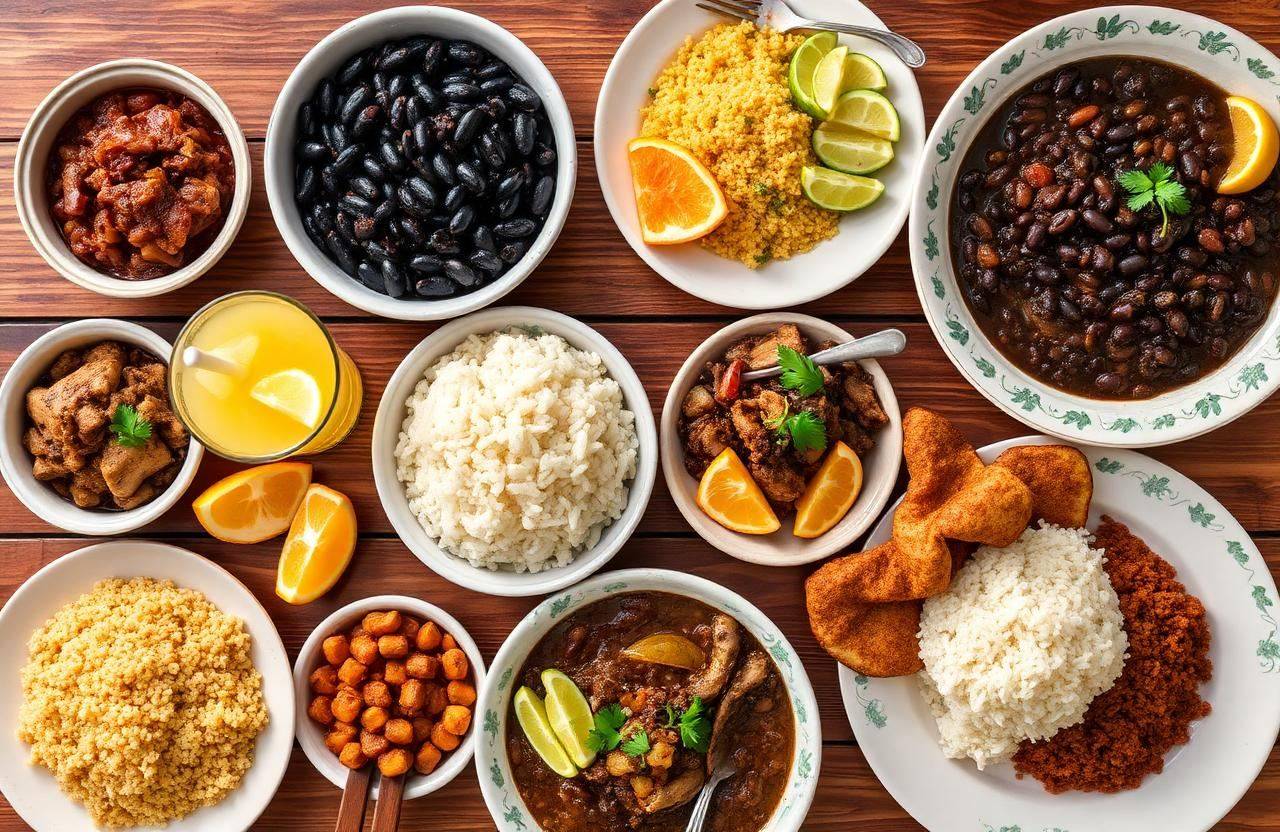
Best Street Food in Rio de Janeiro: What Locals Actually Eat
Written and reviewed by Lotte — Rio local, founder & editor of PlanRio · How we research · First published · Last reviewed
Quick answer — what should I eat first?
Start with pastel fried to order and caldo de cana at a morning feira, then try Biscoito Globo with mate com limão on the beach. Choose a stall with good food handling, carry a card and some small reais, and look for bakery snacks such as coxinha and pão de queijo at a padaria or lanchonete.
Many English-language lists flatten every Brazilian snack into “street food”. In Rio, it helps to know the everyday settings too: salgados (savoury snacks) are easy to find at a padaria (neighbourhood bakery), pastel is a feira staple, and beach vendors call “olha o mate, olha o Globo!” across the sand.
This guide tells you which is which, where each food is at its best, and when the honest answer is “skip that stall”. Prices vary between a neighbourhood feira, a beach kiosk and a major event, so this guide avoids static price ranges: confirm the amount before ordering.
At a glance
| Best first pairing | Fresh pastel + caldo de cana at a morning feira |
| Most Carioca beach pairing | Biscoito Globo + mate com limão |
| Price check | Ask the vendor before ordering; beach, market and event prices differ |
| Best market timing | Go during the listed morning service and choose a stall preparing food to order |
| Payment | Ask whether the vendor accepts your card or payment app; carry a little cash as backup |
| Safety rule | Choose hot food kept hot and cold food properly chilled, covered and protected |
| What to skip | Lukewarm meat, pre-cut fruit in direct sun and empty stalls with slow turnover |
Feira schedules and vendor prices can change, especially around holidays and events. Confirm locally before making a special trip.
First, what actually counts as street food in Rio?
Actually bought on the street or beach
Pastel, caldo de cana, tapioca, grilled cheese, corn, meat skewers, acarajé, coconut water, Biscoito Globo and beach mate. These come from feira stalls, carts, grills, kiosks and walking vendors.
Usually bought at a counter
Coxinha, pão de queijo, empada, kibe, joelho and açaí. They are still cheap, fast local food, but your best version is normally inside a busy padaria, juice bar or lanchonete.
The distinction matters because it tells you where to look. Search “street food” on a map and you will find tourist businesses using the label. Walk into a crowded bakery at 5 PM and you will find the snack Rio commuters actually eat.
9 foods to buy on Rio's streets, beaches and markets
1.Pastel + caldo de cana
Fresh-fried pastry with sugarcane juice
Where: Morning feira livre (produce market)
Our verdict: The essential market breakfast. Wait for a pastel fried after you order; a soft one from a display misses the whole point.
Order it: Pastel de queijo e um caldo de cana, por favor.
Dietary note: Cheese or palm-heart fillings can be meat-free; shared fryers and wheat pastry mean it is not gluten-free.
2.Biscoito Globo
Light cassava-starch beach rings
Where: Walking beach vendors
Our verdict: An edible symbol of Rio rather than a life-changing biscuit. Buy one bag for the ritual, preferably with mate on the sand.
Order it: Um Globo salgado/doce.
Dietary note: Made mainly from cassava starch, but check the packet if allergies or strict gluten avoidance matter.
3.Mate com limão
Sweet iced mate tea with lemon
Where: Beach vendors carrying metal gallons
Our verdict: More distinctly Carioca than bottled iced tea. Ask for little sugar if you do not want the default very-sweet pour.
Order it: Um mate com limão, pouco açúcar.
Dietary note: Plant-based; contains caffeine and usually plenty of sugar.
4.Queijo coalho
Grilled squeaky cheese on a stick
Where: Beach and evening grills
Our verdict: Best eaten immediately after grilling, while browned outside and firm inside. Skip a skewer that has been sitting lukewarm.
Order it: Um queijo coalho, sem/com orégano.
Dietary note: Vegetarian but dairy-heavy; seasonings and shared surfaces vary.
5.Milho cozido
Boiled corn with salt and butter
Where: Beach carts and event stalls
Our verdict: Simple, filling and underrated. Ask for a cob rather than loose kernels if you want to see exactly what is being served.
Order it: Um milho sem manteiga/com manteiga.
Dietary note: Naturally plant-based without butter; confirm utensils if cross-contamination matters.
6.Espetinho / churrasquinho
Charcoal-grilled meat or cheese skewer
Where: Busy evening stands and events
Our verdict: Choose a high-turnover grill where raw and cooked food are kept apart. We skip anonymous skewers held warm beside a quiet road.
Order it: Um espetinho bem passado.
Dietary note: Meat, sausage and cheese share the same grill; unsuitable for strict vegetarian cross-contact concerns.
7.Tapioca
Cassava-starch crêpe with savoury or sweet filling
Where: Market and beachside stalls
Our verdict: Worth it when cooked to order. Cheese, coconut and banana are safer first choices than an overloaded tourist-menu version.
Order it: Uma tapioca de queijo/coco, por favor.
Dietary note: The starch is gluten-free, but fillings and shared preparation surfaces may not be.
8.Acarajé
Bahian black-eyed-pea fritter with spicy fillings
Where: Bahian stalls and Feira de São Cristóvão
Our verdict: A brilliant Afro-Brazilian dish, but Bahia owns it. In Rio, choose a specialist Bahian vendor rather than treating every generic snack cart as equal.
Order it: Um acarajé com pouca pimenta.
Dietary note: The fritter is pea-based but traditional fillings commonly contain dried shrimp; ask before ordering.
9.Água de coco
Fresh coconut water
Where: Beach kiosks, promenades and carts
Our verdict: A refreshing beach purchase. Ask the vendor to open it in front of you and compare prices across kiosks if convenient.
Order it: Uma água de coco gelada.
Dietary note: Plant-based and naturally gluten-free; avoid added ice if you are unsure about water handling.
Want context, not just a checklist?
A guided food tour may help first-time visitors try unfamiliar dishes and order in Portuguese. Check the current route, language, meeting point and included tastings to decide whether it fits your plans.
Check Rio food tour availabilityLinks may earn us a commission at no extra cost to you. This supports PlanRio.
6 everyday snacks to find at a padaria or lanchonete
10.Coxinha
Fried chicken-filled teardrop snack
Where: Padaria or lanchonete
Our verdict: Excellent when hot and crisp, disappointing when it has spent hours under glass. Pick the busy bakery, not the most photogenic shape.
Order it: Uma coxinha, por favor.
Dietary note: Contains wheat; fillings often include dairy and chicken.
11.Pão de queijo
Small chewy cheese bread
Where: Bakery counter or café
Our verdict: Ask what has just come from the oven. One fresh, elastic pão de queijo beats a bag of cold miniature ones.
Order it: Um pão de queijo quentinho.
Dietary note: Made with cassava starch but contains dairy and may face bakery cross-contact.
12.Empada
Buttery individual pie
Where: Boteco, bakery or snack bar
Our verdict: A better local test than a novelty snack. The pastry should crumble, not bounce; palm heart is the classic meat-free filling.
Order it: Uma empada de palmito/frango.
Dietary note: Contains wheat and usually butter; fillings vary.
13.Kibe
Brazilian-Lebanese bulgur and beef croquette
Where: Lanchonete, Arab-Brazilian counter or boteco
Our verdict: Rio's Lebanese and Syrian influence in one cheap snack. Add lime; skip versions whose shell has gone soft.
Order it: Um kibe com limão.
Dietary note: Contains wheat and usually beef; some counters offer pumpkin or cheese versions.
14.Joelho
Baked ham-and-cheese bread pocket
Where: Neighbourhood bakery
Our verdict: Unfashionable, filling and genuinely everyday. This is commuter food, not a dish that needs a tasting-menu explanation.
Order it: Um joelho misto.
Dietary note: Contains wheat, pork and dairy unless a different filling is specified.
15.Açaí na tigela
Frozen sweetened açaí bowl
Where: Juice bar or dedicated açaí shop
Our verdict: Buy from a busy juice bar where the texture stays frozen. Rio's version is normally sweetened; it is not the unsweetened Amazonian preparation tourists sometimes expect.
Order it: Um açaí pequeno com banana, sem xarope extra.
Dietary note: Usually plant-based, but toppings may include honey, milk powder or gluten-containing granola.
Where to eat street food by day and neighbourhood
Feira schedules are local infrastructure, not tourist events, and they can move for holidays or road works. The City of Rio market register and neighbourhood-feira directory list the recurring days below; check locally before making a long journey.
| When | Where | Go for | Local reality |
|---|---|---|---|
| Tuesday morning | Praça General Osório, Ipanema | Pastel, caldo de cana, fruit | Food feira day. Do not confuse it with the Sunday Feira Hippie arts market. |
| Thursday morning | Rua Ronald de Carvalho / Rua Ministro Viveiros de Castro, Lido–Copacabana | Classic produce market breakfast | Convenient from Leme or northern Copacabana; go before lunch. |
| Friday morning | Praça Nossa Senhora da Paz, Ipanema | Fruit, pastel and neighbourhood atmosphere | Our easiest recommendation for visitors staying near central Ipanema. |
| See current schedule | Feira de São Cristóvão | Northeastern dishes, tapioca and forró | A destination market rather than a quick street stall. Check the official schedule and event programme before travelling. |
| Every beach day | Copacabana, Ipanema and Leblon sands | Globo, mate, coconut, corn, grilled cheese | Ask the price first and keep only one card plus small cash on the sand. |
| Friday/Saturday evening | Lapa around the arches | Skewers, drinks and late snacks | Choose illuminated, busy stands; take an Uber when the streets thin out. |
Botafogo's COBAL do Humaitá, the wholesale CADEG market in Benfica and Rio's larger markets are good food stops, but they are covered market complexes rather than street-food districts. Santa Teresa is better for small restaurants and botecos than for relying on an unlicensed cart appearing at a tram stop.
A DIY Rio street-food day that actually works
8:30 AM · Feira breakfast
Choose a feira that is open that day. Order pastel and caldo de cana, then pick up fruit you can wash and peel later. Ask the stall for current prices before ordering.
11:30 AM · Padaria comparison
Share a fresh coxinha, empada and pão de queijo at a busy neighbourhood bakery. Compare textures and fillings instead of turning three snacks into a full lunch.
3 PM · Beach ritual
Take one payment card and only the cash you expect to use. Buy Globo and mate from a walking vendor, then compare kiosk prices before choosing coconut water.
7 PM · Hot food, not a random buffet
Finish with tapioca or a busy charcoal skewer stand. If the grill is quiet or raw meat is handled poorly, choose a sit-down boteco instead.
Treat the route as a tasting day rather than a fixed meal budget; portions and prices vary. For wider trip planning, use our Rio travel-cost guide, and add a proper lunch if you are walking in the heat.
How to order without fluent Portuguese
| Portuguese | Meaning | When to use it |
|---|---|---|
| Quanto custa? | How much is it? | Before the vendor prepares anything. |
| Um de queijo, por favor. | One cheese one, please. | Pastel, tapioca or bakery snack. |
| Sem pimenta / pouca pimenta. | No chilli / little chilli. | Acarajé and sauces. |
| Sem manteiga / sem leite. | Without butter / without milk. | Dietary requests; still ask about the full recipe. |
| Aceita cartão? | Do you accept card? | Before ordering if you have no small cash. |
| É feito agora? | Is it made now? | Hot snacks where freshness matters. |
Pointing is normal, and nobody expects perfect grammar. What matters more is confirming the filling: carne is beef, frango chicken, camarão shrimp, queijo cheese and palmito palm heart.
Cash, cards and Pix at Rio food stalls
Payment methods differ between stalls. Some vendors take cards or Pix, while others may be cash-only. Pix access depends on the visitor's bank or payment provider, so confirm that it works before relying on it for a food outing.
Carry a payment card and a small amount of cash as a backup. Ask the price before the vendor prepares your order, and check the amount in reais rather than accepting dynamic currency conversion. See our cash, card and Pix guide for more payment planning.
Keep maps and opening checks working
Market days can shift around holidays, and small vendors often answer only on Instagram or WhatsApp. An eSIM is useful for checking the city listing, navigating and ordering a ride after Lapa.
Get an eSIM for BrazilFood safety: the checks we use
“Eat where locals queue” is useful but incomplete. A popular stall can still handle food badly. Brazil's Anvisa guidance tells consumers to check cleanliness, storage, appearance, packaging and the vendor's personal hygiene, and to avoid undercooked meat and preparations with raw egg.
- Hot means hot: watch pastel enter the fryer and meat cook through; reject a lukewarm filling.
- Cold means properly chilled: açaí should be frozen and dairy or seafood fillings should not sit in sun.
- Look for separation: raw meat, cooked skewers, money and serving utensils should not all share one hand and surface.
- Ask for fresh coconut: ask the vendor to open it in front of you. See our Rio water guide.
- Use your senses: odd smell, damaged packaging, insects or a dirty worktop are enough reason to leave.
- For severe allergies: a busy shared fryer is not a controlled kitchen. Use our gluten-free Rio guide or a restaurant able to discuss cross-contact.
Vegetarian, vegan and allergy reality
Rio looks easy for vegetarians because cheese, palm heart, corn, tapioca and açaí are everywhere. Vegans need more questions: tapioca fillings may contain butter, açaí toppings may contain honey or milk powder, and beans or sauces can use meat stock. Say não como carne, frango, peixe, leite nem ovos if you eat none of those—but ingredient understanding is not the same as an allergen-safe kitchen.
Easiest vegetarian picks
Cheese or palm-heart pastel, pão de queijo, corn, tapioca, açaí without hidden toppings.
Easiest vegan questions
Ask for corn without butter, tapioca without dairy, coconut water and clearly labelled fruit.
Hardest situations
Shared fryers, acarajé with shrimp, mixed grills and unlabelled granola for serious allergies.
Common mistakes tourists make
- Going to Feira Hippie on Sunday expecting Ipanema's weekday produce market.
- Calling every bakery snack street food and missing the pastel-and-cane-juice ritual.
- Buying pre-fried pastel or a cold coxinha because it photographs well.
- Depending on Pix when an international card and small reais are more reliable.
- Eating a full açaí bowl as a “healthy berry snack” without realising Rio's version is commonly sweetened.
- Carrying a passport and your whole wallet onto the beach for a small purchase.
- Assuming gluten-free ingredients mean an allergy-safe shared preparation area.
- Staying at an empty Lapa stall late at night instead of moving with the busy, illuminated crowd.
The honest verdict: what we would skip
Skip the rainbow açaí tower built for social media, any pastel already wilting in a case, cut fruit sweating in full sun, and mystery meat kept barely warm. We also would not cross Rio solely for a coxinha recommended by an influencer. The city's best street-food experience is not one famous stall; it is understanding the rhythm—feira in the morning, padaria between errands, beach mate in the afternoon.
If you want a sit-down meal after the snacks, continue with our Brazilian food guide or the best restaurants in Rio. A snack crawl and a proper plate of feijoada answer different questions; make room for both.
Choose your food route by setting
Treat a feira, a bakery counter, a beach vendor and a boteco as four different eating settings. Choose a feira when you want to watch a snack being cooked and browse produce in the same stop. A padaria is more useful when you want a seat, shade or a wider choice of baked savouries. Beach vendors make sense when the goal is the Rio sand ritual rather than a full lunch. Turn to a boteco when the group wants plates, chairs and time to sit down.
A satisfying tasting route needs contrasts rather than a checklist of every famous snack. Pair a crisp pastel with a drink, then leave space before trying a bakery snack. Share the first order when you are unsure about portion size or filling. Follow a savoury bite with seasonal fruit or coconut water if you want a lighter finish. Keep the stops close enough that the walk does not become the main part of the meal.
On a busy counter, decide what you want before reaching the front of the queue. Pointing is helpful, but repeat the filling back if you are ordering for several people. Step aside after paying so the next customer can collect an order without confusion. For dietary needs, ask about the full preparation and shared equipment before choosing a stall. If the named snack is unavailable, pick the freshest item being prepared instead of chasing it across town.
Frequently asked questions
What street food should I try first in Rio de Janeiro?
Start at a morning feira livre with a pastel fried to order and a cold caldo de cana, then have Biscoito Globo with mate com limão on the beach. Those two pairings are more distinctly Rio than buying a coxinha, which locals usually get from a bakery or snack bar.
Is street food safe to eat in Rio?
Street food in Rio can be eaten safely when you choose a busy, clean vendor, watch hot food cook fully, and avoid fillings held lukewarm in direct sun. Check how raw and cooked ingredients are separated, whether utensils look clean, and whether packaged food is sealed and in date.
How much does street food cost in Rio in 2026?
Prices change by vendor, neighbourhood, portion and event day, so there is no reliable citywide snack price. Ask the current price before the vendor prepares your food, especially on the beach or at a festival.
Where is the best street-food market in Rio?
For a classic pastel-and-sugarcane breakfast, use a neighbourhood feira livre such as Praça General Osório on Tuesday, Praça Nossa Senhora da Paz on Friday, or Rua Ronald de Carvalho in Copacabana on Thursday. For a larger cultural food destination, visit Feira de São Cristóvão.
Can tourists pay street vendors by card or Pix?
Payment options vary by vendor. Ask whether they accept your card or payment app before ordering, and carry a little cash as backup. Pix access depends on your bank or payment provider, so confirm that it works for you before relying on it.
Is Rio street food good for vegetarians or vegans?
Vegetarians can readily find cheese pastel, palm-heart empada, tapioca, corn, açaí and pão de queijo. Vegans should ask about butter, cheese, condensed milk, honey and meat stock. Shared fryers and grills are normal, so travellers with allergies or strict cross-contact requirements need extra caution.
Is Brazilian street food gluten-free?
Tapioca and pão de queijo use cassava starch, but that does not guarantee a gluten-free preparation area. Pastel, coxinha, kibe, empada and joelho contain wheat, while granola on açaí may also contain gluten. Ask about ingredients and cross-contact if you have coeliac disease.
What is the difference between a feira livre and Feira Hippie in Ipanema?
A feira livre is a weekday produce market where locals buy fruit, vegetables, fish and fresh pastel. Feira Hippie at Praça General Osório is the Sunday arts-and-crafts market. Tourists often confuse the two; visit Tuesday for the food-market experience and Sunday for art and souvenirs.
Is a Rio food tour worth it?
A Rio food tour is worth it for first-time visitors who want cultural context, several tastings and help ordering in Portuguese without researching every stop. Independent travellers can recreate the basics cheaply at a feira and on the beach, so the value lies in the guide and range, not simply in receiving food.
Keep planning
Rio food tours →
Guided tastings, markets and boteco culture.
Brazilian food guide →
The dishes beyond snacks and street stalls.
Cheap eats in Rio →
Build a good-value meal plan from casual local formats.
Beach barraca food →
Order clearly at a beach stall or kiosk.
Best markets & feiras →
Food, antiques, crafts and local schedules.
Best restaurants →
Our honest city-wide restaurant shortlist.
Cash, card & Pix →
How visitors actually pay in Rio.
Ipanema guide →
Beach, markets, food and where to stay.
Sources and update note: Recurring market days were checked against the City of Rio's feira register and a neighbourhood directory. For the Feira de São Cristóvão, check the official operator schedule. Safety guidance follows Anvisa's guidance for food sold by street vendors. Schedules and prices can change around holidays and major events.