Gluten-Free Rio
Quick answer
Rio is workable gluten-free and allergy-aware, but you have to choose by kitchen rather than by dish. Coeliacs should build the trip around fully dedicated gluten-free kitchens, sealed supermarket food labelled "não contém glúten", and a Portuguese script saying coeliac disease is a medical condition. For every other allergy, the risk is the shared fryer and the invisible seasoning — ground peanut and dried shrimp in Bahian food, condensed milk in every dessert, soy oil as the default fat. Brazil's labels do name allergens by law (except sesame), and no adrenaline auto-injector is sold anywhere in the country, so bring your own.
This guide is built around one distinction Brazilian kitchens routinely miss: the difference between medically necessary coeliac safety and preference-based gluten avoidance. If you are a coeliac (or have a genuine wheat allergy), a wheat-free recipe is not enough — the plate also has to avoid the shared grills, fryers, tongs, buffet spoons and flour dust that turn a "gluten-free" dish into a contaminated one.
Medical disclaimer
PlanRio is a travel guide, not a medical service, and we have not personally lab-tested any kitchen. Nothing here is a guarantee of coeliac safety or medical advice. Confirm every venue and every dish yourself using the Portuguese script and checklist below, carry your own diagnosis documentation, and speak to your doctor about travelling with coeliac disease. Restaurants, branches and cross-contamination protocols change without notice.
Coeliac safety vs a gluten-free preference
| Medically necessary (coeliac / wheat allergy) | Preference-based avoidance | |
|---|---|---|
| Cross-contamination | Even a crumb or shared fryer can trigger illness — must be avoided | Small traces are usually tolerable |
| Best target | Fully dedicated (100%) gluten-free kitchens | Any venue with a gluten-free menu item |
| Naturally GF staples | Only if kitchen process is confirmed clean | Generally fine (tapioca, rice, grilled meat) |
| Buffets / per-kilo | High risk — usually avoid | Workable with sensible choices |
| What to say | "Tenho doença celíaca — não é uma preferência, é uma doença" | "Sem glúten, por favor" |
If you are avoiding gluten by preference, most of Rio opens up to you and you can skip much of the anxiety below. If you are coeliac, read the rest as written.
At a glance
| Best base | Copacabana, Ipanema, Leblon or Botafogo (short rides to dedicated kitchens) |
| Safest food | Fully dedicated gluten-free kitchens and sealed packaged foods labelled "não contém glúten" |
| Biggest risk | Shared fryers, buffet spoons, bakery tongs and flour-dusted worktops |
| Key phrase | "Tenho doença celíaca" — "I have coeliac disease" |
| Gluten labelling law | Federal law 10.674/2003 — packaged food must state "contém glúten" / "não contém glúten" |
| Allergen labelling rule | ANVISA RDC 26/2015 — "ALÉRGICOS: CONTÉM…" in capitals; sesame is not on the list |
| Most-missed allergens | Dried shrimp in seasoning, ground peanut and cashew in Bahian dishes, condensed milk in desserts |
| Adrenaline pens | None registered in Brazil — bring your own, with a prescription or doctor's letter |
| Emergency numbers | SAMU ambulance 192 · fire & rescue 193 |
| Local directories | ACELBRA-RJ, Passaporte Sem Glúten, Rio Sem Glúten, euceliaca.com |
| Last checked | 16 September 2026 |
Dedicated gluten-free kitchens to research first
These venues are listed as fully dedicated (cozinha 100% dedicada) or separate-prep gluten-free kitchens by Brazilian coeliac directories (ACELBRA-RJ's Passaporte Sem Glúten, Rio Sem Glúten and euceliaca.com), checked 16 September 2026. We have not tested them ourselves — treat this as a research shortlist, and reconfirm the dedicated/shared status and hours by phone or message before you go.
1.Cecí Glúten Free
Café, breads & cakesGávea (Shopping da Gávea)
Listed as a dedicated gluten-free café — a useful first anchor for baked goods. Confirm current opening hours before crossing town.
2.Tori
Natural / affective cuisineIpanema
Listed as a dedicated 'sem glúten e sem contaminação cruzada' kitchen. Easiest fully-dedicated sit-down option in the Zona Sul tourist core.
3.Blezz Açaí
Açaí bowlsCopacabana
Listed as an entirely gluten-free açaí bar — handy for a beach-zone snack. Still confirm granola and toppings are made in-house.
4.Sandubem
Functional fast foodBotafogo
Listed as a 100% gluten-free kitchen. Good if you are staying in or passing through Botafogo.
5.Ôh Cookie Whey
Fitness sweets & snacksBotafogo & Tijuca
Listed as 100% gluten-free production — better for sweets and a quick bite than a full meal.
6.Fit de Fato Pizzaria
PizzaCopacabana & Tijuca
Pizza is high-risk in a shared kitchen, so a dedicated pizzeria is the rare safe way to eat it. Confirm the branch runs a fully separate gluten-free line.
7.Isabela Akkari
French-style pâtisserieLeblon
Listed as a dedicated gluten-free pastry kitchen — a treat stop rather than a meal, in the Leblon shopping cluster.
8.Habitué / Spud Club (Barra da Tijuca)
Pizza, burgers, bowlsBarra da Tijuca & west zone
Several fully-dedicated options cluster in Barra. Worth the Uber only if you are already staying west — not a quick trip from Copacabana.
Shared-kitchen options (preference, not strict coeliac)
These are gluten-free by recipe or by menu, but come out of shared kitchens. Fine for preference-based avoidance; approach with caution — or skip — if you are a strict coeliac.
Naturally gluten-free Brazilian staples
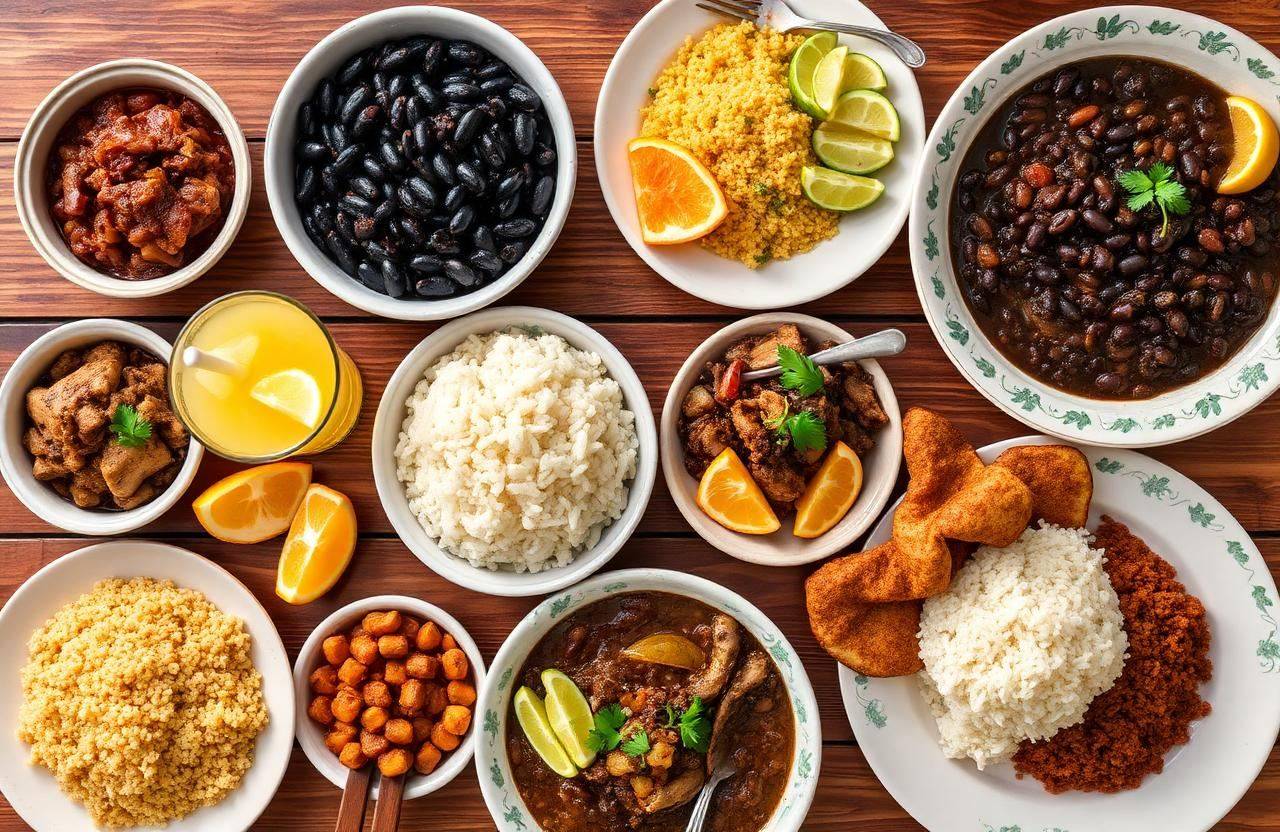
Plain grilled meat, rice, feijão (beans), mandioca/aipim, tapioca crêpes and fresh fruit are wheat-free by recipe — but shared grills, fryers, sauces and utensils undo that in an ordinary kitchen.
Pão de queijo at padarias
Made with polvilho (cassava starch), so the recipe is gluten-free. The risk is the bakery: shared trays, tongs, ovens and airborne wheat flour. Fine for gluten-sensitive travellers, not automatic for coeliacs.
Churrascarias
Plain fresh cuts brought from the grill, rice, beans and salad can work. Skip the buffet farofa, breaded items, sauces and shared serving tongs, and say 'doença celíaca', not 'sem glúten'.
Per-kilo (por quilo) buffets
Convenient but the shared serving spoons are the whole problem. Go at opening before spoons migrate between trays, ask staff, and skip it entirely if you need strict safety.
Supermarket packaged food
By law (see below) sealed products state 'contém glúten' or 'não contém glúten'. Zona Sul, Pão de Açúcar and Hortifruti stores make this the safest emergency-snack strategy.
What to order — and skip — dish by dish
Here is how Rio's most common menu items actually read for a coeliac. "Safe" always assumes the cross-contact questions below are answered — a wheat-free recipe on a shared grill or fryer is not a safe plate.
| Dish | Coeliac read | Why |
|---|---|---|
| Churrasco (grilled meat) | Usually safe with care | Plain fresh cuts brought straight from the grill are wheat-free. Skip the farofa (often toasted with wheat), breaded items, sausages with fillers and any shared serving tongs at the buffet. |
| Açaí na tigela (açaí bowl) | Safe minus toppings | The açaí base is gluten-free, but standard granola contains oats/wheat and the powdered mix-ins vary. Order it plain or with fruit and confirm the granola scoop isn't shared. |
| Tapioca crêpe | Recipe-safe, check the stall | Made from cassava starch, so wheat-free by recipe. At a beach kiosk the same hot plate cooks wheat pancakes — ask for a clean chapa (griddle) or skip it. |
| Feijoada | Check the sausages & sides | The black-bean and pork stew itself is usually wheat-free, but some cured sausages and the farofa served alongside are not. Ask about fillers; have rice, beans and couve (collard greens) instead of farofa. |
| Moqueca (fish stew) | Usually safe | Coconut-and-dendê fish stew is naturally gluten-free. The only risk is a thickened or shop-bought stock; ask 'tem farinha de trigo no caldo?'. |
| Pastel & coxinha (botequim snacks) | Avoid | Deep-fried wheat dough, plus the fryer is shared with everything else. Not worth the risk even at a dedicated-looking bar — this is a hard no for coeliacs. |
| Sucos & água de coco (juice bars) | Safe | Fresh juices and coconut water are naturally gluten-free and everywhere. A great low-risk street option — just skip the sandwich counter next to it. |
| Cheese & tapioca-flour bread (pão de queijo) | Recipe-safe, kitchen-risky | Polvilho (cassava starch) base, so wheat-free by recipe, but ordinary padarias bake it beside wheat bread on shared trays. Safe only from a dedicated kitchen — see the pão de queijo guide below. |
Beyond gluten: every other food allergy in Rio
Gluten is the allergy Rio understands best, because the coeliac community here is organised and vocal. Everything else is harder — not because Brazilian kitchens are careless, but because the riskiest ingredients are used as seasoning rather than headline ingredients. Ground peanut and cashew thicken Bahian sauces. Dried shrimp is a flavour base. Condensed milk is the default sweetener. Soy oil is simply "oil". None of that appears on a menu description.
The table below is the practical version: your allergen, its Portuguese name, where it genuinely hides in Rio, and the line to say. Learn the Portuguese word for your allergen before anything else — staff recognise amendoim and camarão instantly and almost never recognise "peanut" or "shrimp".
| Allergen | Portuguese | Where it hides in Rio | Say this |
|---|---|---|---|
| Peanut | amendoim | Paçoca, pé-de-moleque and cocada sweets, vatapá, some açaí granolas and powdered mix-ins, and the free bar snacks poured out with beer at botecos. Avoid: Vatapá, acarajé fillings, street sweet trays, bar snack bowls. | Tenho alergia grave a amendoim. |
| Tree nuts | castanhas (castanha-de-caju, castanha-do-pará, nozes) | Vatapá and Bahian coconut dishes, cakes and bolo de rolo, açaí toppings, health-food bars, pesto and 'natural' salad dressings. Cashew is far more common in Brazil than almond. Avoid: Bahian dishes, açaí with mixed toppings, padaria cakes. | Não posso comer castanhas de nenhum tipo. |
| Milk / lactose | leite, lactose | Condensed milk (leite condensado) and creme de leite are in almost every dessert; requeijão on bread; leite em pó dusted over açaí; butter on the churrasco grill; milk whisked into 'natural' juices (suco com leite) unless you say na água. Avoid: Brigadeiro, pudim, doce de leite, pão de queijo, açaí com leite ninho. | Sou alérgico a leite. Suco na água, sem leite, por favor. |
| Egg | ovo | Homemade mayonnaise on almost every sandwich and por-quilo salad, quindim and pudim desserts, pastel and empada glazes, and the batter on breaded snacks. Avoid: Maionese, quindim, pudim, breaded bar snacks. | Tenho alergia a ovo, inclusive maionese. |
| Fish | peixe | Fish stock (caldo de peixe) under rice and stews, Worcestershire-style sauces, and shared fryers at beach kiosks where fish and chips share the oil. Avoid: Moqueca, bobó, fried kiosk food, seafood-house rice. | Não posso comer peixe nem caldo de peixe. |
| Shellfish / crustaceans | frutos do mar, camarão, crustáceos | Dried shrimp (camarão seco) is a seasoning, not just an ingredient — it is ground into vatapá, acarajé and many Bahian sauces. Casquinha de siri and shrimp pastel are beach-kiosk staples fried in shared oil. Avoid: Vatapá, acarajé, bobó de camarão, kiosk pastéis. | Alergia a frutos do mar — inclusive camarão seco no tempero. |
| Soy | soja | Soy oil is the default cooking oil in Brazil, shoyu is in most marinades and sushi, and textured soy protein bulks out burgers and pastel fillings. Avoid: Shoyu marinades, sushi soy sauce, cheap burger patties. | Tenho alergia a soja. Tem óleo de soja ou shoyu? |
| Sesame | gergelim | Burger buns, pães de forma, Middle-Eastern snacks (esfiha, kibe, tahine) and granola bars. Crucially, sesame is not on Brazil's mandatory allergen list, so a label may not warn you at all. Avoid: Bakery buns, Arab-snack counters, granola bars. | Alergia a gergelim. O pão tem gergelim? |
How Brazilian labels declare allergens
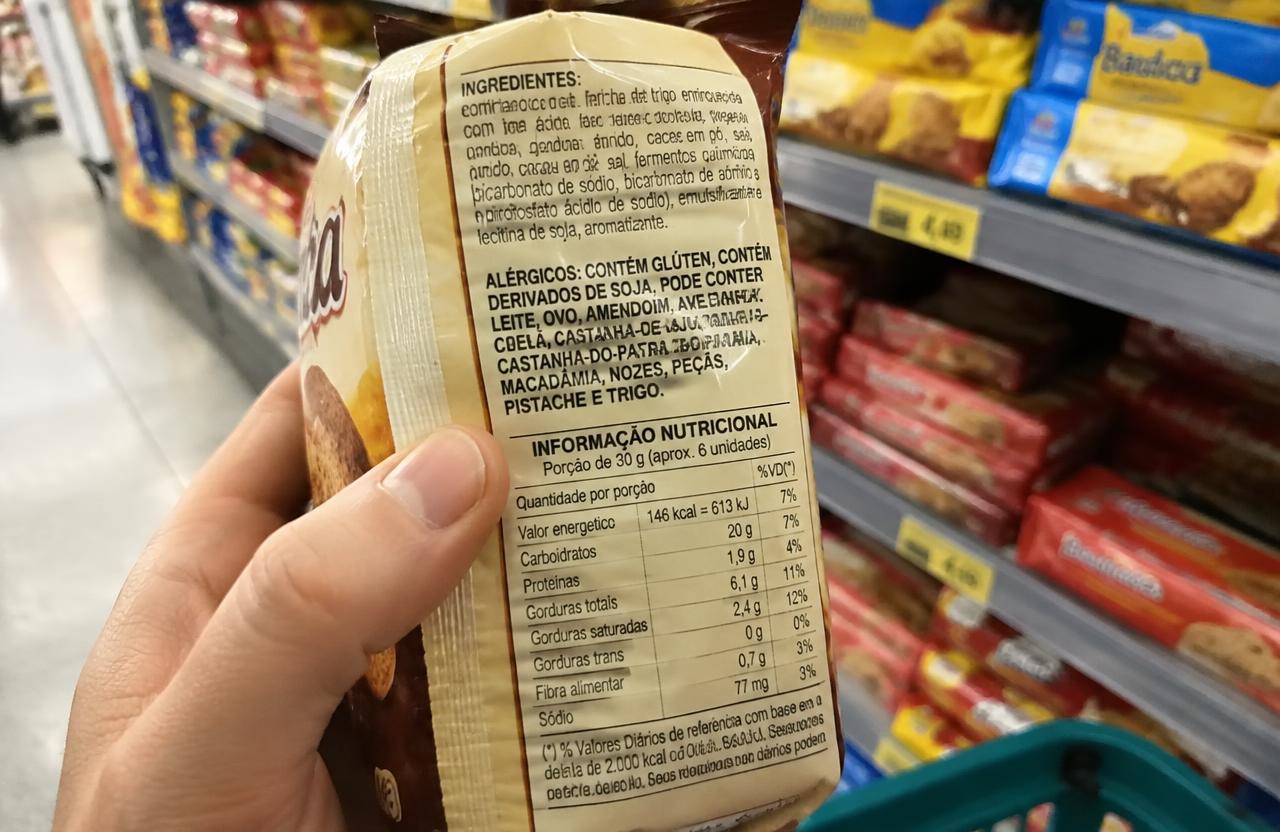
Brazil has two separate rules, and knowing both turns a supermarket into your safest meal of the day. The older one is gluten-specific: every sealed pack must state "contém glúten" or "não contém glúten". The broader one is ANVISA resolution RDC 26/2015, in force since 2016, which requires a capitalised alert — "ALÉRGICOS: CONTÉM…" — naming wheat, rye, barley and oats, crustaceans, eggs, fish, peanut, soy, milk from any mammal, natural latex and the tree nuts, along with derivatives of any of them.
Two limits matter more than the rule itself. First, sesame (gergelim) is not on the list, unlike in the EU, UK and US — so a Brazilian bun or granola bar can contain sesame with no allergen alert at all, and you must read the ingredients rather than the warning. Second, the rule covers packaging only. A restaurant plate, a bakery counter or a beach kiosk carries no legal allergen declaration, which is why the venue-by-venue section below matters more here than in Europe.
ALÉRGICOS: CONTÉM…
Mandatory allergen alert. It appears in capitals near the ingredients list and names the allergen directly.
ALÉRGICOS: CONTÉM DERIVADOS DE…
Contains a derivative (whey, milk powder, soy lecithin) rather than the whole food. Just as unsafe for a true allergy.
PODE CONTER…
Voluntary 'may contain' cross-contact warning. Common in Brazil and worth taking seriously — around a third of packs carry one.
NÃO CONTÉM GLÚTEN / CONTÉM GLÚTEN
A separate, older gluten-specific requirement. Every sealed pack must say one or the other.
soro de leite, leite em pó, creme de leite
Whey, milk powder, cream — all milk. Extremely common in Brazilian snacks.
lecitina de soja
Soy lecithin. Declared as a soy derivative, and in nearly every chocolate product.
castanha-de-caju / castanha-do-pará
Cashew / Brazil nut. Different nuts, similar words — read to the hyphen.
farinha de rosca / farinha de trigo
Breadcrumbs / wheat flour.
amido, amido modificado
Starch. Usually maize or cassava in Brazil, but the source is not always stated — check the gluten line.
aroma natural / aromatizante
Flavouring. Not a declared allergen source, so a phone call to the maker is the only way to be certain.
traços de
Traces of. Same meaning as 'pode conter'.
vegano / sem lactose
Vegan means no milk or egg; 'sem lactose' does NOT — lactose-free milk still contains milk protein and is unsafe for a milk allergy.
Choose the venue, not the dish
In Rio, the type of kitchen predicts your risk far better than what you order. A plain grilled steak is safe in one place and unsafe in another purely because of the fryer, the tongs and the size of the room. Use this before you use a menu.
| Venue type | Risk | Why, and what to do |
|---|---|---|
| Boteco / bar | High | One fryer for everything, free peanut bowls on the counter, and a kitchen the size of a wardrobe. Order bottled drinks and grilled cheese-on-a-stick at most. |
| Beach kiosk (quiosque) | High | Shrimp, fish, cheese and wheat pastries share one pan of oil, and staff change through the day. Coconut water, whole fruit and sealed ice creams are the safe layer. |
| Padaria | High for wheat, sesame, milk, egg | Airborne flour, shared tongs and trays. Buy sealed packs from the shelves rather than anything from the counter. |
| Por quilo (per-kilo buffet) | High | Shared serving spoons migrate between trays within minutes of opening. If you must, go at opening and ask a server to plate from the kitchen. |
| Churrascaria | Medium | Plain fresh cuts from the grill are among the safest restaurant food in Rio — but the grill may be brushed with butter, and the buffet sides are a minefield. |
| Sit-down restaurant with a named chef | Medium to low | The best odds of a real conversation. Call ahead, eat early, and ask them to write your allergy on the ticket ('anotar na comanda'). |
| Dedicated allergen-free kitchen | Low | Rio's dedicated kitchens are gluten-focused; a nut- or milk-free dedicated kitchen barely exists here, so still ask about your specific allergen. |
| Delivery app (iFood, Rappi) | Medium | The 'observações' free-text box often never reaches the cook. Phone the restaurant after ordering, or order plain, single-ingredient food. |
If a reaction happens: the Rio emergency layer
This is the part most Rio food guides never mention, and it changes how you pack. There is no adrenaline auto-injector registered with ANVISA, so no pharmacy in Brazil can legally sell you one — in April 2026 the regulator ordered the seizure of an unregistered imported EpiPen from a pharmacy chain, and the Brazilian allergy and immunology society (ASBAI) publicly confirmed that no auto-injector is approved in the country. If you carry a pen, bring enough for the whole trip plus a spare, keep them in hand luggage in the original boxes, and carry your prescription or a doctor's letter, ideally translated into Portuguese, for airport questions.
Care itself is good and fast in the Zona Sul. Call 192 for a SAMU ambulance (193 is fire and rescue, who also attend emergencies). Private 24-hour emergency rooms near the tourist beaches include Copa D'Or in Copacabana, Clínica São Vicente in Gávea and Barra D'Or in Barra da Tijuca; public care runs through UPA units and hospital pronto-socorros. Hospitals treat anaphylaxis with adrenaline drawn from an ampoule, so the drug is available even though the pen is not. Private hospitals usually want payment or an insurance guarantee before treatment — the mundane reason travel insurance matters more here than at home.
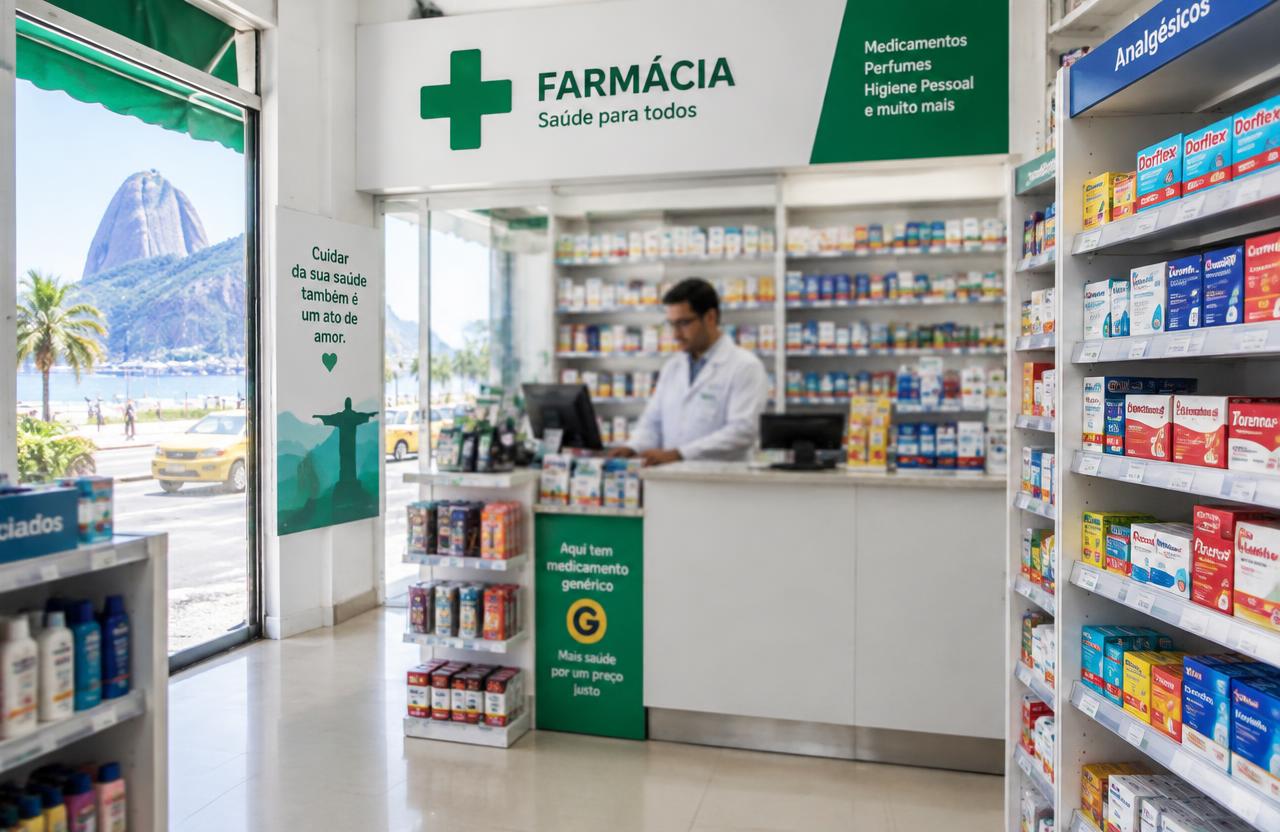
For mild symptoms, a farmácia is the right first stop: antihistamines are sold over the counter (ask for loratadina or dexclorfeniramina, sold as Polaramine), and pharmacists are used to advising. Hives or an itchy rash is a pharmacy problem. Swelling lips or throat, breathing trouble or faintness is a 192 call, immediately.
Estou tendo uma reação alérgica grave. Preciso de ajuda.
I am having a severe allergic reaction. I need help.
Tenho anafilaxia. Preciso de adrenalina agora.
I have anaphylaxis. I need adrenaline now.
Onde fica o pronto-socorro mais próximo?
Where is the nearest emergency room?
Chame o SAMU, por favor — 192.
Call the ambulance, please — 192.
Comi amendoim / camarão / leite sem saber.
I ate peanut / shrimp / milk without knowing.
Estou com falta de ar e a garganta fechando.
I am short of breath and my throat is closing.
Allergies with children in Rio
Brazilian children's food is built from exactly the things families most often avoid: condensed milk, cheese bread, breaded snacks and cake. The workable pattern is to control breakfast and dinner yourself in an apartment or kitchenette, then eat lunch out from the plain end of the menu — grilled chicken, white rice, beans, farofa skipped, banana. Every Rio kitchen can produce that, and it avoids the negotiation entirely. Write the allergy on a Portuguese card the child can hand over, and brief them on the two things adults offer children constantly here without asking: brigadeiro (condensed milk) and free peanuts. Our Rio with kids guide covers the rest of the family logistics, and the Brazilian pharmacy guide explains how to buy medicine here.
Self-catering: your most reliable strategy
For a strict coeliac, the single safest decision in Rio is not a restaurant — it is a supermarket. Brazil's labelling law (below) makes sealed packaged food the most trustworthy category in the city, and the Zona Sul beach neighbourhoods are dense with the shops that carry it.
Zona Sul & Pão de Açúcar supermarkets
The two big Rio supermarket chains, dense across Copacabana, Ipanema and Leblon. Sealed products carry the mandatory 'contém glúten' / 'não contém glúten' line by law, so shopping is the safest food decision you make all trip.
Hortifruti
Fresh-produce-led chain in the Zona Sul — fruit, salad, eggs, plain rice and beans for a self-catered meal with almost zero cross-contact risk.
Mundo Verde
National natural-and-health-food franchise with Zona Sul branches; the most reliable place to find labelled gluten-free breads, pasta, biscuits, flour blends and snack bars in one shop.
A kitchen or kitchenette
For a strict coeliac, an apartment or aparthotel with even a basic kitchen removes the highest-risk meals (breakfast and late-night) from the equation entirely. Worth prioritising over a room-only hotel.
Stays with a kitchen, so breakfast is never someone else's decision
If your diet is medical rather than preferential, a kitchenette is worth more than any restaurant on this page: it removes hotel breakfast, the late-night meal and the shared toaster from the equation. These are PlanRio's hand-picked self-catering stays in the beach neighbourhoods, close to the Zona Sul supermarkets. Booking links are affiliate links — PlanRio may earn a commission at no extra cost to you, and it does not change what we recommend. Confirm the exact unit's kitchen equipment before you book.
PlanRio hotel picks
Specific properties from our independently selected shortlist. Compare the live room, cancellation and payment terms before booking.
Dates optional. Set guests and rooms on Booking.com.
Check what your room rate includes
- Breakfast, taxes and any extra fees
- Room type, guest count and bed setup
- Cancellation deadline and when payment is due
Confirm these on Booking.com for the rate you choose.
Injoy Lofts & Studios Ipanema
Best for: Estancias independientes que buscan la flexibilidad de un apartamento.
Know before booking: Confirma limpieza, acceso, servicios incluidos y reglas de cancelación en el anuncio vigente.
Check Injoy Lofts & Studios Ipanema availabilityApartamentos Gomes Carneiro 84 - Ipanema
Best for: Longer self-catering stays a few blocks back from Ipanema beach
Know before booking: Confirm reception, key collection and building-access rules before arrival.
Check Apartamentos Gomes Carneiro 84 - Ipanema availabilityDesign Studio Casa Rio Ipanema
Best for: Couples or solo travellers wanting a compact self-catering base
Know before booking: Confirm reception, key collection and building-access rules before arrival.
Check Design Studio Casa Rio Ipanema availabilityHotel breakfast and where to base yourself
Brazilian café da manhã is a bread, cake and pão de queijo affair baked on shared equipment, so treat any hotel buffet as unsafe by default. Email ahead and ask the kitchen to plate fresh fruit, eggs cooked in a clean pan, cheese, ham and coffee separately from the bread station — and bring your own labelled gluten-free bread. Better still, book somewhere with a kitchenette so breakfast and late-night meals never depend on a stranger's kitchen. Copacabana, Ipanema, Leblon and Botafogo keep you within a short walk of supermarkets and a short Uber of the dedicated kitchens above; Barra da Tijuca has more fully-dedicated venues but is a long ride from the postcard beaches.
Arrival day and the airports
Neither Galeão (GIG) nor Santos Dumont (SDU) has dependable dedicated gluten-free food, and the first night — jet-lagged, after a delayed flight, on a Sunday — is when mistakes happen. Land self-sufficient: pack travel-day snacks and one emergency meal, then do a supermarket stop in your first hours, before hunger makes a shared-fryer counter tempting. An eSIM that works the moment you land makes this far easier — you can message a restaurant to confirm its kitchen, pull up the ACELBRA-RJ and Rio Sem Glúten directories, translate a label, and call an Uber to a dedicated kitchen without hunting for wifi.
Stay connected from the runway
A data eSIM lets you message venues, check the coeliac directories and translate labels the moment you land — genuinely useful when your diet depends on asking the right question. This is an affiliate link; PlanRio may earn a commission at no extra cost to you, and it does not influence anything recommended above.
Get an eSIM for BrazilCarnaval, Réveillon and a packed city
During Carnaval and New Year's Eve (Réveillon), street food, buffets and long kitchen queues multiply exactly the risks a coeliac wants to avoid, and dedicated kitchens book out or shorten hours. Stock the fridge before the crowds arrive, carry safe snacks to the blocos and beach parties, and plan any sit-down meal for a dedicated kitchen with a reservation rather than gambling on a heaving botequim. Confirm holiday opening hours directly — the festive calendar is when restaurant information goes stale fastest.
Restaurant-selection checklist tool
Work through these at the table (or on the phone) before you eat. The first three are decisive for coeliacs; the rest tighten an already-good choice. Tick what is genuinely true.
0 of 7 green flags · 0 of 3 decisive
Only 0 of the 3 decisive questions are met. For medically necessary coeliac safety, the softer flags rarely make up for a missing dedicated kitchen, staff understanding or cross-contact control. Treat this as a preference-only option or walk away.
Do the boring protection first
Medical cover matters more when a dietary mistake can turn urgent abroad. This is an affiliate link to travel insurance — a category we think coeliac travellers should carry — not a food endorsement, and it does not influence any recommendation above. PlanRio may earn a commission at no extra cost to you.
Get travel insurance quotePortuguese coeliac card
Screenshot this. The first line is the one that stops staff treating you as a fussy eater. A printed card in Portuguese (Coeliac UK and celiactravel.com both publish free downloadable versions) is even better in a busy kitchen.
Eu tenho doença celíaca. Não é uma preferência, é uma doença.
I have coeliac disease. It is not a preference, it is a medical condition.
Não posso comer glúten: trigo, cevada, centeio, aveia — nem contaminação cruzada.
I can't eat gluten: wheat, barley, rye, oats — nor cross-contamination.
Uma migalha de pão pode me deixar doente. É sério.
A crumb of bread can make me ill. It is serious.
Esta comida foi feita em panela, chapa, fritadeira ou água compartilhada?
Was this made in a shared pan, grill, fryer or water?
Pode trocar as luvas e usar utensílios e panela limpos?
Can you change gloves and use clean utensils and a clean pan?
Tem farinha de trigo ou shoyu no molho, caldo ou tempero?
Is there wheat flour or soy sauce in the sauce, stock or seasoning?
A cozinha é 100% sem glúten?
Is the kitchen 100% gluten-free?
How we verified this
Facts and venues re-checked 16 September 2026 against:
- Gluten labelling law: ANVISA / Federal Law 10.674/2003 (mandatory "contém glúten" / "não contém glúten"), corroborated by FENACELBRA's rotulagem page.
- Allergen labelling rule: ANVISA resolution RDC 26/2015 and ANVISA's own summary of the declared allergen list, corroborated by Food Safety Brazil's guide to the required "ALÉRGICOS: CONTÉM" wording. Sesame's absence from the annex is why we say a Brazilian label may not warn you about it.
- Adrenaline auto-injectors: ANVISA's April 2026 seizure notice for an unregistered imported auto-injector, plus ASBAI (Brazilian Association of Allergy and Immunology) statements that no auto-injector holds ANVISA registration and that importation is required.
- Cross-contamination & travel practice: Coeliac UK's eating-out and cross-contamination guidance.
- Local venues & directories: ACELBRA-RJ (Rio state coeliac association) and its Passaporte Sem Glúten partner network; the community directories Rio Sem Glúten and euceliaca.com's Rio list of dedicated kitchens.
Restaurant status is the fastest-changing part of this page. Reconfirm directly before you travel and treat any establishment's own "safe for coeliacs" claim critically.
The honest verdict
Worth it if...
- You are willing to plan meals and carry safe snacks.
- You can say no to risky buffet and bakery items.
- You base yourself where supermarkets and short Ubers to dedicated kitchens are easy.
Harder if...
- You expect every waiter to understand cross-contamination.
- You rely on spontaneous street food and buffets.
- You are on group tours with fixed lunch stops.
Common mistakes tourists make
- Saying only "sem glúten" and never explaining that coeliac disease is a medical, contamination-sensitive condition.
- Eating buffet food after serving spoons have moved between dishes.
- Trusting pão de queijo from a wheat-flour bakery without checking trays, tongs and ovens.
- Treating a "gluten-free menu" in a shared kitchen as coeliac-safe.
- Arriving from the airport with no safe snacks for the first night.
Local expert tips
- Screenshot the coeliac card and carry a printed Portuguese version; don't rely on mobile data inside a loud restaurant.
- In supermarkets, "não contém glúten" on a sealed pack is your most reliable friend.
- At churrascarias, ask for fresh cuts brought straight from the grill rather than buffet sides.
- Pack your own breakfast if the hotel buffet cannot separate toasters, tongs and surfaces.
- Cross-check two directories (ACELBRA-RJ plus Rio Sem Glúten or euceliaca) and message the venue before you commit to a trip across town.
Frequently asked questions
Is Rio de Janeiro good for gluten-free travellers?+
Rio is manageable for gluten-free travellers but uneven for strict coeliac safety. Naturally gluten-free staples such as rice, beans, grilled meat and tapioca help, but shared fryers, bakery tongs, buffet spoons and wheat-thickened sauces are common. Build the trip around dedicated gluten-free kitchens listed by Brazilian coeliac directories, sealed supermarket snacks and a clear Portuguese contamination script.
What is the difference between gluten-free by recipe and coeliac-safe in Rio?+
A dish can contain no wheat by recipe — tapioca, pão de queijo, plain grilled meat — and still be unsafe for a coeliac because it touched a shared grill, fryer, tong or flour-dusted surface. Preference-based gluten avoidance can accept that small risk; medically necessary coeliac safety cannot. This guide flags which venues run fully dedicated kitchens and which only offer a gluten-free menu inside a shared one.
Is pão de queijo gluten-free?+
Traditional pão de queijo is made with polvilho (cassava starch) rather than wheat, so the recipe is naturally gluten-free. For coeliacs the risk is contamination from bakery trays, tongs, ovens and airborne wheat flour, so ask whether it is baked on dedicated equipment before treating it as safe.
What Brazilian foods are usually gluten-free?+
Plain rice, feijão (beans), grilled meat, tapioca crêpes, mandioca/aipim, many açaí bowls without granola, pão de queijo and fresh fruit are usually gluten-free by recipe. Sauces, farofa, breaded snacks, soy sauce (shoyu) and anything from a shared fryer need checking.
Does Brazil label gluten on packaged food?+
Yes. Brazilian federal law 10.674/2003 requires packaged foods to state 'CONTÉM GLÚTEN' or 'NÃO CONTÉM GLÚTEN' clearly on the label. That makes supermarket shopping reliable, but the law does not cover restaurant cross-contamination, so it does not make eating out safe on its own.
Are restaurant staff in Rio familiar with coeliac disease?+
Some are, especially at dedicated venues, but many read 'sem glúten' as a diet preference rather than a medical contamination issue. Say 'tenho doença celíaca — não é uma preferência, é uma doença' and ask the specific cross-contact questions in the Portuguese script on this page.
Where should I stay in Rio if I need gluten-free food?+
Copacabana, Ipanema, Leblon and Botafogo are the easiest bases: you have supermarkets, juice bars, pharmacies and short Uber rides to the dedicated kitchens listed here. Barra da Tijuca has more fully-dedicated options but is a long trip from the beach zone. Avoid remote stays unless your hotel can handle breakfast safely.
Should I bring gluten-free food to Rio?+
Yes. Pack travel-day bread or crackers, protein bars and a couple of emergency meals. Rio supermarkets are decent, but you do not want to be solving coeliac-safe food after a delayed flight or late on a Sunday night.
How do I find current gluten-free restaurants in Rio?+
Cross-check two Brazilian coeliac sources before you go: ACELBRA-RJ (the Rio state coeliac association) and its Passaporte Sem Glúten partner network, and the community directories Rio Sem Glúten and euceliaca.com. Filter for 'cozinha 100% dedicada' or a documented separate-prep protocol, then reconfirm by phone or message, because openings, branches and protocols change.
What is the biggest gluten-free mistake in Rio?+
Trusting a naturally gluten-free dish without checking the kitchen process. Tapioca, pão de queijo and grilled meat can all be contaminated by shared utensils, surfaces or fryers, so the recipe being wheat-free is not the same as the plate being coeliac-safe.
Is açaí gluten-free in Rio?+
The açaí base itself is gluten-free, but the standard toppings are the problem: granola almost always contains oats or wheat, and powdered mix-ins vary. Order açaí plain or with fresh fruit, ask for it 'sem granola', and check the scoop isn't shared with the granola tub. Beach and mall açaí bars are otherwise one of the easier gluten-free snacks in the city.
Can I eat at a churrascaria as a coeliac?+
Yes, with care. Ask for plain fresh cuts brought straight from the grill (rodízio service) rather than anything from the buffet. Have rice, beans, salad and grilled vegetables, and skip the farofa (often toasted with wheat), breaded items, sausages with fillers and shared serving tongs. Say 'tenho doença celíaca' so the passador understands it is medical, not a preference.
How do I handle hotel breakfast in Rio on a gluten-free diet?+
Brazilian café da manhã leans heavily on bread, cake and pão de queijo baked on shared equipment, so treat the buffet as unsafe by default. Email the hotel before arrival, ask whether they can plate you fresh fruit, eggs cooked in a clean pan, cheese, ham and coffee separately, and bring your own labelled gluten-free bread. An apartment or aparthotel with a kitchenette removes the risk altogether.
Where can I buy gluten-free food in Rio?+
The Zona Sul and Pão de Açúcar supermarket chains are dense across Copacabana, Ipanema and Leblon and label every sealed product 'contém glúten' or 'não contém glúten' by law. For specialist gluten-free bread, pasta and snacks, the Mundo Verde health-food franchise is the most reliable single stop. Hortifruti is best for naturally safe fresh produce.
What should I do on arrival day at Rio's airports?+
Neither Galeão (GIG) nor Santos Dumont (SDU) has dependable dedicated gluten-free food, so arrive self-sufficient: pack travel-day snacks and one emergency meal. Do a supermarket stop on the way to your accommodation or in your first hours, before you are hungry, tired and tempted by a shared-fryer counter.
Can I buy an adrenaline auto-injector in Brazil?+
No. There is no adrenaline auto-injector registered with ANVISA, Brazil's health regulator, so no pharmacy in Rio can legally sell you one — ANVISA ordered the seizure of an unregistered imported EpiPen in April 2026, and the Brazilian allergy and immunology society (ASBAI) confirmed that no auto-injector is approved in the country. If you carry an injector, bring enough for the whole trip plus a spare, keep it in your hand luggage with the box and label, and carry your prescription or a doctor's letter (ideally translated into Portuguese). Hospitals do treat anaphylaxis — they use adrenaline from an ampoule and syringe rather than a pen.
Does Brazil label allergens other than gluten?+
Yes. ANVISA resolution RDC 26/2015 requires packaged food to carry a capitalised alert — 'ALÉRGICOS: CONTÉM…' — naming wheat, rye, barley, oats, crustaceans, eggs, fish, peanut, soy, milk from any mammal, the tree nuts (almond, hazelnut, cashew, Brazil nut, macadamia, walnut, pecan, pistachio, pine nut) and natural latex, plus derivatives of those. Sesame is not on that list, so it can be present without an allergen alert. The rule covers sealed packaging only, not restaurant kitchens.
What is the safest way to eat with a nut or shellfish allergy in Rio?+
Choose venue type before dish. Grilled meat from a churrascaria, plain rice and beans, whole fruit, coconut water and sealed supermarket food are the low-risk layer. The high-risk layer is anything from a shared fryer — beach kiosks, botecos and pastel counters — and Bahian food, where ground peanut and dried shrimp are used as seasoning rather than a listed ingredient.
Is dried shrimp really used as a seasoning in Brazil?+
Yes, and it is the single most-missed shellfish risk here. Camarão seco is ground into vatapá, acarajé, bobó and many Bahian sauces, so a dish that lists no shrimp can still contain it. Ask specifically: 'tem camarão seco no tempero?' — 'is there dried shrimp in the seasoning?'
Does 'sem lactose' mean a product is safe for a milk allergy?+
No, and this catches visitors out. 'Sem lactose' means the lactose sugar has been broken down; the milk protein that causes an allergic reaction is still there. For a milk allergy you need 'não contém leite', a vegan label, or an 'ALÉRGICOS' line that does not mention leite or its derivatives.
How do I order safely on iFood or Rappi with an allergy?+
Treat the 'observações' note box as unreliable — it often never reaches the cook. Order plain, single-ingredient food (grilled meat, rice, beans, salad without dressing), then phone the restaurant to confirm before it is made. For a severe allergy, cook at home or eat in person where you can talk to staff.
Which hospitals in Rio handle allergic emergencies?+
Call SAMU on 192 for an ambulance (193 reaches the fire service, who also do rescue). Private hospitals with 24-hour emergency rooms in the tourist zones include Copa D'Or in Copacabana, Clínica São Vicente in Gávea and Barra D'Or in Barra da Tijuca; public emergency care is available at UPA units and hospital pronto-socorros. Private hospitals usually ask for payment or an insurance guarantee up front, which is the practical reason to travel insured.
Can pharmacies in Rio help with a mild allergic reaction?+
Yes for mild symptoms. Brazilian pharmacies sell antihistamines over the counter — loratadina and dexclorfeniramina (sold as Polaramine) are the common names — and pharmacists are used to advising. Steroids and adrenaline are not self-service. A pharmacy is the right stop for hives or an itchy rash; for breathing trouble, swelling of the lips or throat, or faintness, call 192 instead.
Is Brazilian food safe for a child with allergies?+
It is manageable if you build the day around food you control. Brazilian children's food leans on condensed milk, cheese bread, breaded snacks and cakes, so bring safe snacks, use a kitchenette for breakfast and dinner, and write the allergy in Portuguese on a card the child can hand over. Ask restaurants to plate plainly — grilled chicken, white rice, beans, banana — which every Rio kitchen can do.
Should I write my allergy in Portuguese?+
Yes. A printed card in Portuguese naming your allergen, the words 'alergia grave' and 'contaminação cruzada', and the line 'uma quantidade pequena pode me matar' works far better than English or a translation app in a loud kitchen. Screenshot it too, in case you are handed back the paper.
Keep planning
Best pão de queijo in Rio
Naturally gluten-free recipe, contamination caveats.
Vegan and vegetarian Rio
Another practical dietary guide.
Brazilian food in Rio
Understand staples before you order.
Brazilian pharmacy guide
When you need medicine or electrolyte help.
Rio for Muslim travellers
Halal food, mosques, prayer times and modest beach dress.