Salvador: The Complete Guide from Rio
Bahia · Northeast Brazil
Quick answer
Salvador is a 2-hour flight north of Rio and Brazil's Afro-Brazilian heart — colonial Pelourinho, capoeira, candomblé and the country's best street food. Give it 3 days, base yourself in the historic centre, Barra or Rio Vermelho, and treat the old city as a daytime pleasure with door-to-door transport at night.
Salvador is where Brazil's soul lives out loud. The first capital of colonial Brazil and the centre of the African diaspora in the Americas, Bahia's capital gave the country capoeira, candomblé, axé music and acarajé — and it still feels more African than anywhere else in Brazil. Cariocas come here for the culture, the food and a rhythm of life that makes even Rio feel buttoned-up.
This is the honest local guide to Salvador from Rio in 2026: how to fly up, which neighbourhood suits your trip, what's worth your time in the postcard-perfect (but sometimes hustly) Pelourinho, and how to enjoy the historic centre while staying street-smart after dark.
Salvador at a glance
| Distance from Rio | ~1,200 km · ~2h direct flight (GIG → SSA) |
|---|---|
| Ideal stay | 3 nights, or 4 with a beach day trip |
| Best base | Historic Centre (Pelourinho/Santo Antônio), Barra or Rio Vermelho |
| Best months | September–March (sunniest); Carnaval in Feb/Mar is Brazil's biggest street party |
| Known for | Pelourinho, capoeira, candomblé, acarajé, Afro-Brazilian music |
| Beaches | Porto da Barra, Farol da Barra in town; Praia do Forte a day trip north |
Complete destination guide
Why go, and who it's for
Go to Salvador for living Afro-Brazilian culture: capoeira rodas in the street, candomblé heritage, the drumming of Olodum, and food you'll taste nowhere else — acarajé (black-eyed-pea fritters) fried in dendê palm oil by Baianas in white lace, moqueca stews rich with coconut and dendê. It suits culture-first travellers, music-lovers, and anyone who wants Brazil's history rather than another beach.
It's less about ticking sights than soaking up atmosphere. If you want polished, orderly and beach-resort easy, this isn't it. If you want colour, music, history and warmth, few places on earth deliver more.
What to see and do
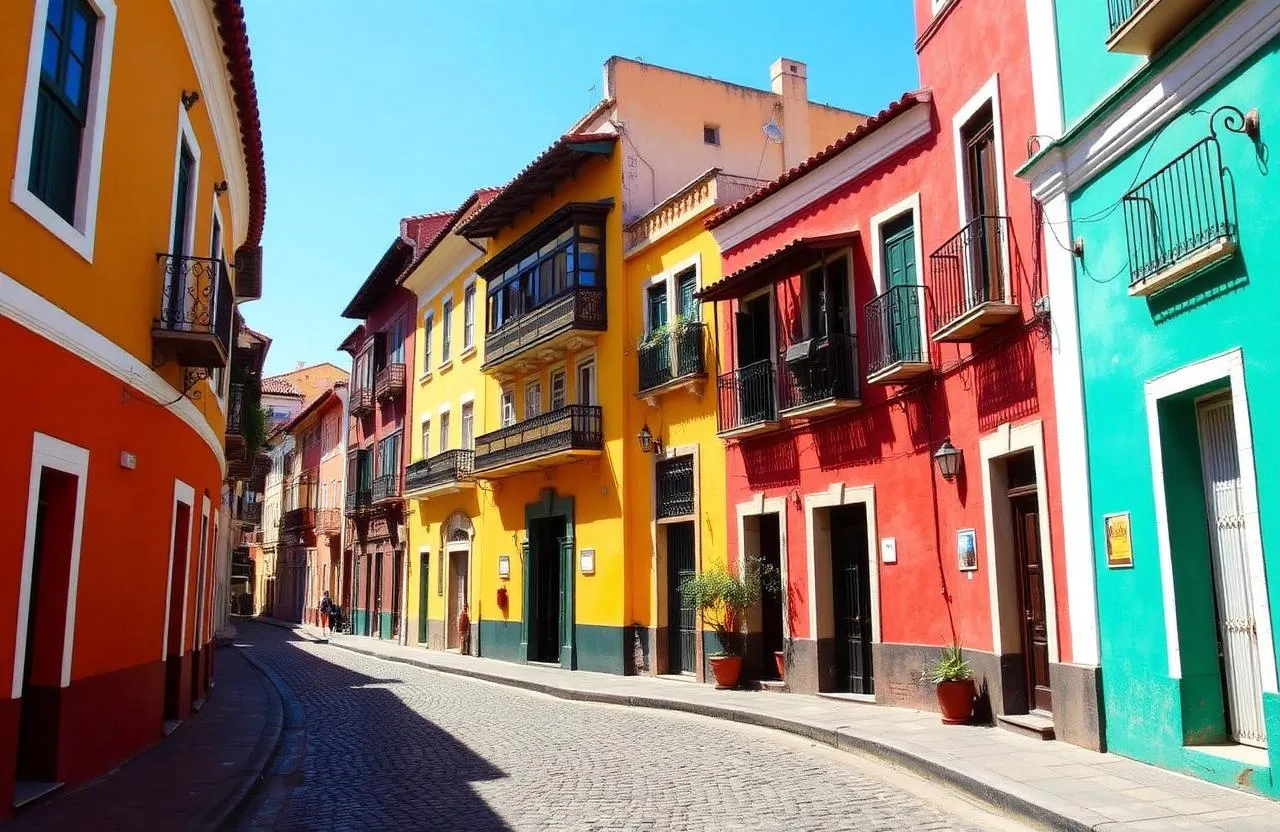
The centrepiece is Pelourinho, the UNESCO-listed old upper town — a hill of pastel colonial mansions, baroque churches and cobbled squares. See the gold-drenched Igreja de São Francisco, tie a ribbon at the Igreja do Bonfim, and time your visit for a live capoeira or drumming session (Olodum rehearses on Tuesday nights). The Elevador Lacerda, a 1873 art-deco lift, drops you from the upper city to the lower town and the Mercado Modelo craft market.
For a wider view of Bahian life, spend time in Barra (its lighthouse, the Farol da Barra, and the sheltered Porto da Barra beach — a famous sunset spot), and in bohemian Rio Vermelho, the nightlife and acarajé heartland. Bahia's beaches proper start north of the city: Praia do Forte, with its sea-turtle sanctuary, makes an easy day trip.
Food, music and culture
Eat acarajé from a street Baiana (ask for it with vatapá, caruru and shrimp), and sit down at least once for moqueca de camarão with a cold beer. Rio Vermelho is the best neighbourhood for both the street version and proper Bahian restaurants.
Music is everywhere: axé and samba-reggae were born here, and any night of the week you can find live drumming and dancing. If your dates line up, Salvador's Carnaval — built around trios elétricos rolling through Barra and the centre — is the largest street party on the planet. Even outside Carnaval, the city's cultural calendar is packed with saints' festivals and free street parties.
How to get there from Rio de Janeiro
By plane (the only sensible way)
Salvador is a long way north of Rio, so fly. Direct flights from Galeão (GIG) to Salvador (SSA) take about 2 hours; LATAM, GOL and Azul all run them, with fares from roughly R$300–600 one-way if you book ahead. Some routes connect through São Paulo or Brasília and take longer — filter for 'direct'.
Salvador's airport (SSA) is about 25–30 km northeast of the centre. A metered airport taxi or a pre-booked transfer to Pelourinho or Barra runs roughly R$90–140 and takes 30–45 minutes depending on traffic; Uber and 99 also serve the airport and are usually cheaper.
By bus (only if you love the road)
There are long-distance buses, but Rio–Salvador is a 24-hour-plus haul overland — genuinely only for die-hard budget travellers with time to spare. For everyone else, the 2-hour flight is worth every real.
Getting around once there
The historic centre is walkable, and the Elevador Lacerda (a couple of reais) links the upper and lower towns. For hops between Pelourinho, Barra and Rio Vermelho, use Uber or 99 — they're cheap, plentiful and much smarter than figuring out buses, especially at night. There is a small metro, but it's built for commuters rather than sights.
Best areas & neighbourhoods
Pelourinho & the Historic Centre
The postcard heart — colonial squares, churches, live music and craft shops, all walkable. Magical by day; choose a well-reviewed pousada and take taxis after dark, as the area quietens and can feel edgy at night.
Santo Antônio Além do Carmo
The atmospheric ridge just beyond Pelourinho, full of small charming guesthouses with bay views. Quieter and more residential than Pelourinho, still walkable to the sights — our pick for character with a calmer night.
Barra
Beachier and more modern: the Farol da Barra lighthouse, the calm Porto da Barra beach, sunset crowds, malls and a safer-feeling evening buzz. A good base if you want sand and the city both.
Rio Vermelho
The bohemian nightlife district — bars, live music, the best acarajé stands and a young, local crowd. Lively after dark; ideal if eating and music are your priority.
Praia do Forte (day trip)
A pretty former fishing village 80 km north with a sea-turtle (TAMAR) project and calmer resort beaches — the easiest taste of the Bahian coast without moving hotels.
Where to stay in Salvador
For a first visit centred on culture, sleep in or beside the historic centre so you can walk to Pelourinho by day and taxi home at night. Below are three PlanRio hand-picked stays: a characterful pousada on Rua Chile in the historic core, a quiet family-run B&B in leafy Santo Antônio, and a boutique historic-centre hotel — all steps from the atmosphere without stranding you.
Three hand-picked Salvador stays
Historic-centre character within walking distance of Pelourinho, with door-to-door taxis for the evenings.
Dates optional. Set guests and rooms on Booking.com.
Check what your room rate includes
- Breakfast, taxes and any extra fees
- Room type, guest count and bed setup
- Cancellation deadline and when payment is due
Confirm these on Booking.com for the rate you choose.
Bahiacafé Hotel
Best for: Historic Salvador atmosphere and daytime sightseeing on foot
Know before booking: Pelourinho requires planned door-to-door transport after dark.
Check Bahiacafé Hotel availabilityPousada Colonial Chile
Best for: Historic-centre character steps from Praça da Sé and the Elevador Lacerda
Know before booking: The historic centre is best explored by day; use taxis or Uber door-to-door after dark.
Check Pousada Colonial Chile availabilityPousada Beija Flor
Best for: A quiet, family-run B&B in leafy Santo Antônio Além do Carmo near Pelourinho
Know before booking: Santo Antônio is charming but hilly and cobbled — plan ride-hailing for late nights.
Check Pousada Beija Flor availabilitySafety guide
Salvador rewards a bit of caution. Pelourinho is safe and lovely during the day and on busy event nights, but it empties and can feel sketchy on quiet evenings — plan to arrive and leave the old city by taxi or Uber after dark rather than wandering unlit lanes.
The usual big-city rules do most of the work: carry only what you need, keep your phone out of sight on the street, wear modest jewellery, and be polite-but-firm with the (mostly harmless) sellers and 'guides' who approach tourists in Pelourinho. Agree a price before accepting any ribbon, photo or help.
Barra and Rio Vermelho are livelier and feel safer in the evening, but still ride door-to-door late at night. Swim at busy, patrolled beaches like Porto da Barra, and keep an eye on your bag while you're in the water. During Carnaval and big street parties, take only a little cash and a cheap phone into the crowd.
A 3-day Salvador itinerary
Day 1 — Pelourinho & the old city: Walk the historic centre: São Francisco church, the main squares, the Elevador Lacerda down to the Mercado Modelo, and an evening capoeira or drumming session (Olodum on Tuesdays). Dinner in the upper town, taxi back to your pousada.
Day 2 — Barra, beaches & sunset: Morning at the Farol da Barra lighthouse and Porto da Barra beach, lunch of moqueca, an afternoon swim, then stay for the famous Barra sunset before dinner and live music in Rio Vermelho — with acarajé from a street Baiana first.
Day 3 — Bay or beach day trip: Choose a schooner tour across the Bay of All Saints to Itaparica and the Frades islands, or head north to Praia do Forte and the sea-turtle project. Back in time for a last Bahian dinner.
Best tours & a practical booking guide
Salvador is a city where a good local guide adds a lot — the history of Pelourinho, the meaning behind candomblé and capoeira, and the safest way to see it all. The tours worth booking are a guided walk of the historic centre, a hands-on capoeira class, a schooner day on the Bay of All Saints, and a beach day trip north to Praia do Forte.
Best Salvador tours to book
Historic city tour of Salvador
Pelourinho and the old city with a guide who explains the history.
Capoeira class
A hands-on introduction to Bahia's Afro-Brazilian martial art.
Bay of All Saints schooner tour
Sail to Itaparica and the Frades islands for the day.
Praia do Forte & Guarajuba day trip
The calmer coast north of the city, including the turtle project.
Links may earn us a commission at no extra cost to you. This supports PlanRio.
Common mistakes visitors make
- Wandering the Pelourinho's quiet back lanes alone after dark instead of taxiing door-to-door — visit the old city by day and on busy nights.
- Accepting a ribbon, photo or impromptu 'guide' without agreeing a price first, then being pressured to pay.
- Trying to reach Salvador overland from Rio — it's a 24-hour-plus bus; just take the 2-hour flight.
- Expecting city beaches to rival the Northeast's best — for turquoise water, day-trip north to Praia do Forte or beyond.
- Skipping Rio Vermelho — you'll miss the best acarajé and the city's real nightlife.
Local expert tips
- Tuesday night ('Terça da Bênção') is the classic night out in Pelourinho, with free live music and Olodum rehearsals.
- Order acarajé 'completo' with vatapá, caruru, tomato salad and shrimp — and go easy if you're not used to dendê palm oil.
- Carry small change: acarajé stands, the Elevador Lacerda and market stalls run on cash and Pix.
- Bahian time is real — things start late and run late, especially music. Lean into it rather than fighting it.
- If you can only pick one beach in town, make it Porto da Barra for calm water and the sunset; Farol da Barra next door is rougher.
Frequently asked questions
How do I get from Rio to Salvador?
Fly. Direct flights from Rio's Galeão (GIG) to Salvador (SSA) take about 2 hours on LATAM, GOL or Azul, with fares from around R$300–600 one-way when booked ahead. Overland buses exist but take 24-plus hours, so they only make sense for budget travellers with lots of time.
How many days do you need in Salvador?
Three days is the sweet spot: one for Pelourinho and the historic centre, one for Barra, the beaches and Rio Vermelho's nightlife, and one for a Bay of All Saints schooner trip or a day at Praia do Forte. Add a fourth day if you want more beach time or a slower pace.
Is Salvador safe for tourists?
Salvador needs sensible caution. Pelourinho is safe and lively by day but empties at night, so take taxis or Uber door-to-door after dark. Keep your phone out of sight, carry only what you need, and agree prices before accepting any 'guide' or ribbon. Barra and Rio Vermelho feel safer in the evening but still ride home late at night.
Where should I stay in Salvador?
For culture-first trips, stay in or beside the historic centre — Pelourinho or the quieter Santo Antônio ridge — so you can walk to the sights by day and taxi home at night. Barra suits those who want beaches and a safer-feeling evening, and Rio Vermelho is best for nightlife and food.
What is Salvador famous for?
Salvador is the centre of Afro-Brazilian culture: it's the birthplace of capoeira, candomblé, axé music and Olodum drumming, and home to the country's best street food, acarajé. Its UNESCO-listed Pelourinho, with pastel colonial mansions and baroque churches, is one of the most striking historic centres in the Americas.
When is the best time to visit Salvador?
September to March is the sunniest, driest window and the best all-round time to visit. Salvador's Carnaval, in February or March, is the largest street party in the world — thrilling but crowded and pricey, so book far ahead. The rainiest months are roughly April to July.
Does Salvador have good beaches?
In town, Porto da Barra offers calm water and a famous sunset, while Farol da Barra next door is rougher. For the postcard Northeast beaches, day-trip north to Praia do Forte (with its sea-turtle project) or continue to the Costa dos Coqueiros. The Bay of All Saints islands are also reachable by schooner.
What food should I try in Salvador?
Start with acarajé — black-eyed-pea fritters fried in dendê palm oil and stuffed with vatapá, caruru and shrimp — from a street Baiana in Rio Vermelho. Then sit down for a moqueca (coconut-and-dendê seafood stew). Both are Bahian icons you won't taste the same way anywhere else in Brazil.