Penedo and Itatiaia weekend from Rio: Park & Town
Written and reviewed by Lotte — Rio local, founder & editor of PlanRio · How we research · First published · Last reviewed
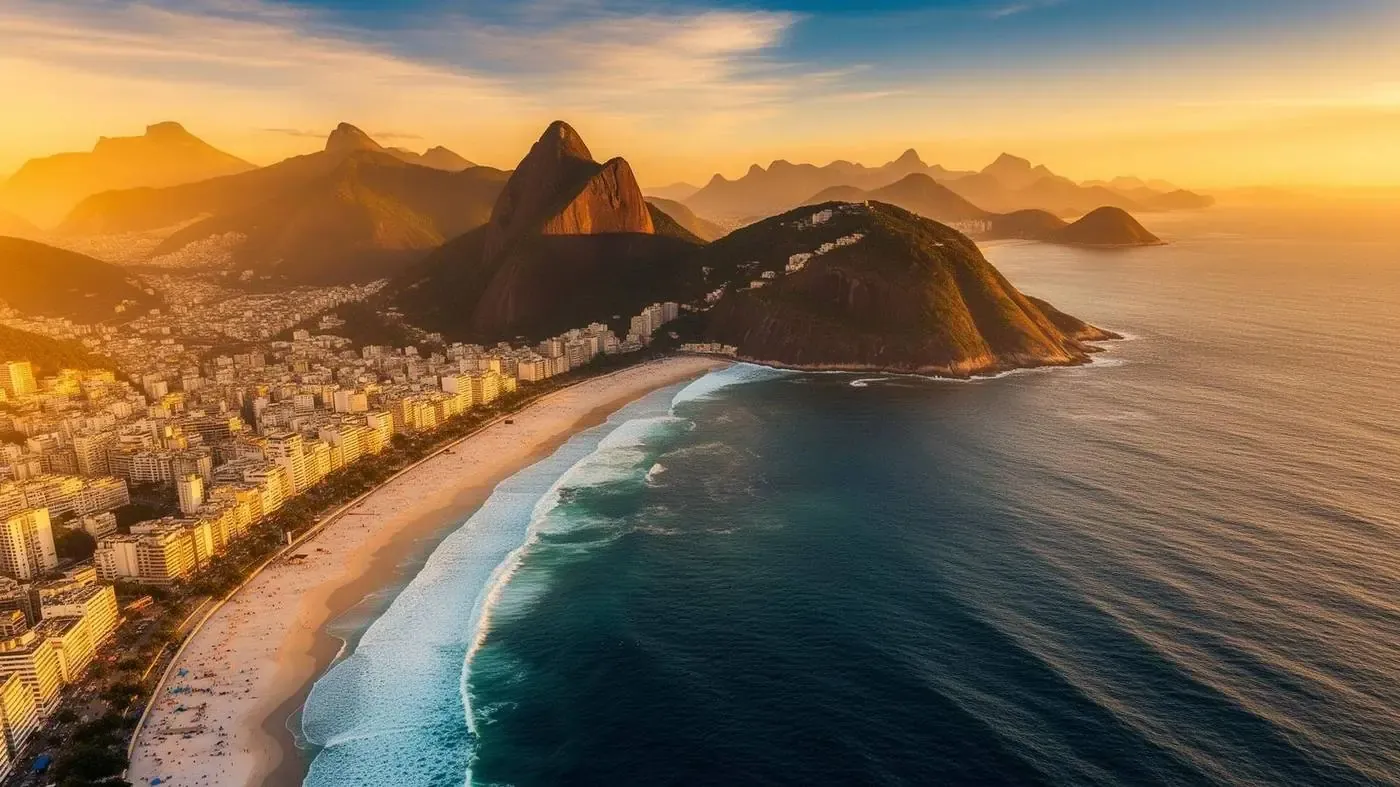
Departure-city image from Rio, not a photograph of Penedo or the national park; the sources below link to official local and park information.
Quick answer
For a first Penedo and Itatiaia weekend from Rio, stay two nights in or near Penedo and spend one full day in the national park’s lower area. The lower and high areas have separate access routes and very different terrain, so do not try to treat both as one quick park visit. Confirm current park access, routes and weather before travelling.
Links may earn us a commission at no extra cost to you. This supports PlanRio.
At a glance
Best length
Two nights for Penedo plus Itatiaia’s lower area; add another night or plan a separate trip for the high plateau.
Best first base
Penedo for restaurants and an easy evening; choose an Itatiaia-side stay if the park is your main focus.
Park layout
The lower and high areas have different access roads, terrain and day plans. They are not two nearby trailheads.
Good first park day
Choose the lower area for visitor facilities, forest walks and waterfalls, then confirm the current access conditions.
Driving
The route uses the Dutra corridor, but the park sector and exact accommodation determine your final approach.
Our honest verdict
A strong two-night pairing for a relaxed town evening and a full nature day. A high-altitude summit trip needs more preparation.
The honest verdict: Penedo and the lower park make the easiest first weekend
Penedo and Itatiaia work well together because you can have a comfortable village evening and a full day in the Atlantic Forest without turning the weekend into a constant hotel change. For most first-time visitors, the simplest plan is to sleep in Penedo, explore the town at an unhurried pace and spend one full day in the lower area of Parque Nacional do Itatiaia. Keep the high plateau for a separate, deliberately planned mountain day.
The key distinction is that “Itatiaia National Park” contains separate lower and high areas with different approaches, elevation and activity demands. The lower area suits a broader range of visitors and has waterfalls and visitor facilities; the high area is a mountain environment with more demanding trails and exposure. The Rio State tourism portal lists Penedo and the national park as separate local destinations, while ICMBio recommends using its current visitor information and offline maps. Do not assume a ticket or a route to one sector gives access to the other.
For the simplest two-night plan, arrive Friday, use Saturday for the park’s lower area and keep Sunday for Penedo before returning to Rio. If a mountain-town and waterfall weekend is more your style, see our Visconde de Mauá weekend guide; if you want a heritage-focused inland route, compare the Vale do Café weekend.
Penedo and Itatiaia: understanding the map
Penedo is a neighbourhood and visitor centre within the municipality of Itatiaia, in Rio de Janeiro State. It has lodging, restaurants, shops and a strong tourism identity shaped partly by Finnish immigration. The municipality’s history page says a group of Finnish immigrants arrived in 1929 under the leadership of Toivo Uuskallio. It also describes how land use and livelihoods shifted after the coffee economy declined, and how tourism later grew around the landscape, lodging and food.
That history is more than a decorative theme for chocolate shops and chalet architecture. Penedo has a living community, and a visitor should not mistake a stylised Finnish reference for a complete account of the town or its people. The local history page discusses environmental pressures and the role of tourism in the economy. Take time to understand the place beyond souvenir shopping: notice the river valleys, the town’s relationship with the forest, and the people who live and work there year-round.
The national park is a large protected landscape that reaches across several municipalities and the Rio–Minas Gerais border. Its lower area is accessed from the Itatiaia side; its high area is reached by a distinct mountain approach from the BR-354 corridor. The exact routes, entrances, reservations and services can change, so use the park’s official pages for the sector you intend to visit. Keep accommodation and park planning separate until you know which gate and activity are involved.
A two-night weekend itinerary from Rio
Friday: leave Rio with a realistic margin for traffic, make the drive along the Dutra corridor and check in around Penedo or the park’s lower entrance. Keep your first evening local. Walk the centre if you have daylight, confirm the next morning’s park entry and pack your day bag. If you stay outside the village, ask about the route to dinner and the road condition before you drive out at night.
Saturday: dedicate the day to the lower area of Parque Nacional do Itatiaia. Choose a small number of waterfalls, a visitor-centre stop or a short walk that fits your group. Follow the current park map and rules, and do not add a separate high-area hike on the same day. Return to Penedo with time for dinner; the restaurant scene is part of why the town makes a good base, but check current opening information and reserve if your group needs a particular option.
Sunday: have a slow breakfast, browse Penedo’s centre or visit one nearby attraction whose current access you have confirmed. Begin the return drive early enough to avoid turning the day into a race. If you have a third night, consider using Sunday for a longer town walk or a second lower-area outing, then drive back Monday. We prefer this extra night to a packed schedule that stacks a park hike, multiple waterfalls and a long road trip.
A three-night plan with more room to choose
With three nights, you can build a weather buffer and choose one of two styles. The first keeps Penedo as the base: explore the village on arrival, spend one full day in the park’s lower area, and use another day for a relaxed meal, a nearby waterfall or a longer forest walk that fits current park guidance. This makes sense for travellers who want both nature and a town evening without moving accommodation.
The second style shifts your base closer to the park if you intend to spend two full days outdoors. That can reduce local driving, but check what is available around your lodging after dark. A remote property may have few meal options nearby. Ask about breakfast times, packed lunches, parking, road access and whether the host can help you understand current park procedures. A well-placed stay can make the trip more comfortable than trying to see both park sectors from a single base.
Three nights still do not make the upper plateau a casual extra. If that is your main objective, design the trip around the high area, the correct approach and the physical challenge you want. Do not assume you can visit both high and lower sectors on consecutive days without checking distances and access. The protected area is broad, and the internal map does not eliminate travel time between its entry points.
Penedo as your base: what the town does well
Penedo is a convenient base if your group wants restaurants, cafes, shops and an evening stroll after time outdoors. It has a range of accommodation styles, but choose based on actual location. Some properties are close to the commercial centre; others are in quieter parts of the valley or on slopes. A map pin can be misleading if you do not check the road and walking route from the front door.
The municipality describes the area’s food scene as varied, with local trout and a mix of Brazilian and international influences. That breadth makes it easy to find a meal after a park day, but menus and opening arrangements can change. Check restaurant information close to travel, and contact a restaurant in advance if you have dietary needs or a larger group. If you are staying far from the centre, ask whether dinner transport is straightforward and whether your pousada has meal service.
Penedo’s best-known Santa-themed attractions are seasonal in feel and do not define the whole destination. Check current dates and visitor arrangements before making them the anchor of a trip. A stroll through the centre, a meal and a nature day can make a good visit without buying every themed experience. If you are travelling with children, decide what they actually enjoy and plan around their pace instead of trying to see the whole town in a single afternoon.
The lower area of Itatiaia National Park
The lower area is the most practical first introduction for many visitors: it has the visitor centre, forest and river scenery, and a group of waterfalls reached through park roads and trails. Official ICMBio visitor information describes it as an area for contact with Atlantic Forest and gives a current digital map for planning. The municipality also lists sites such as Véu de Noiva, Itaporani and Camapuã. Always check which trails or facilities are open on your date.
Pick one or two places rather than trying to touch every marker on a map. A waterfall visit can involve a walk, stairs, rocks or a wet surface. Ask the park about the route’s current condition and how much time to leave, especially if your group includes small children or anyone who moves slowly. Carry water, a layer, shoes with grip and a change of clothes if you plan to be near the river.
The visitor centre can help orient you to the park’s landscapes and rules. If it is open on your visit date, allow time for the displays instead of treating it as a quick pit stop. The park is not simply a swimming destination: it is a protected environment with biodiversity, research and conservation responsibilities. Stay on authorised paths, follow all closures and keep noise low around wildlife and other visitors.
Camapuã and accessibility: verify the exact route
The municipality of Itatiaia reported that Camapuã waterfall in the lower park was adapted with railings and a ramp to support access toward the water. That is a useful option for some travellers with reduced mobility, but accessibility is specific to a site and may depend on the present condition of the route, parking and facilities. Contact the park before setting out and describe the mobility needs in practical terms, including wheelchair type, transfer needs and the distance your group can manage.
Do not assume that one accessible waterfall means the whole park is step-free. Other paths and waterfall approaches can include steps, uneven surfaces, slopes or natural rock. A good accessibility check asks about the full journey from the vehicle to the viewpoint or water, the width and gradient of the route, toilets, resting points and how staff can assist. Ask for current information from park management rather than relying on a past news story or a visitor photograph.
If you are visiting with a wheelchair user or a person who needs frequent rest, plan one confirmed accessible experience and keep the rest of the day flexible. Bring any medication, mobility aids and weather protection you need. If a route is not suitable, ask about the visitor centre, viewpoints or other low-impact stops rather than pressuring someone to attempt a path that does not meet their needs.
The high plateau: a different trip with a different approach
The high area of the park is a mountain landscape for visitors who want exposed terrain, higher elevation and longer walks. It is not an extension of the lower waterfall circuit. The local tourism department’s visitor guidance describes upper-area outings as requiring appropriate clothing, food, water and use of authorised trails; it advises specialised guiding for some mountaineering routes. The park’s own visitor information and current access rules should always take precedence over old trip reports.
The upper area is reached via a distinct approach from the BR-354 and the Garganta do Registro corridor. Road conditions, reception procedures and access management can change, so confirm the current route with the park and your lodging. Do not rely on a route planner to decide whether the road or a trail is appropriate for your vehicle and experience. Download official maps before the trip because mobile coverage can be limited in mountain areas.
Treat an ascent toward Agulhas Negras, Prateleiras or another high route as a serious outing. Check whether the route requires a guide, registration, reservation or specific equipment; confirm expected weather and return conditions. High elevation brings cold, wind, cloud and exposure even when a town below feels warm. If you are new to mountaineering, choose a lower-risk walk or hire a qualified guide rather than treating a summit as an ordinary weekend attraction.
Should you combine Penedo with the high area?
It can be done on a longer trip, but a Penedo evening and an upper-area mountain day do not fit together as neatly as Penedo plus the lower park. The separate approach and the time needed for a high hike can make an early start essential. You may be better off sleeping closer to the correct access point, then returning to Penedo after the hike or on another day. Ask a local operator about the current road and start time before deciding.
For a two-night weekend, we recommend choosing one park sector. Pick the lower area if waterfalls, forest and a visitor centre are your priorities; pick the high area if you are fit, prepared and specifically travelling for mountain terrain. If you want both, add nights and plan each sector as its own full day. Do not schedule the high area for the final morning before a long drive to Rio unless you have a conservative buffer and current confirmation.
Penedo waterfalls and private access outside the park
Penedo has its own waterfall and stream attractions outside the national park, including places commonly described as Cachoeira de Deus and Três Bacias. They are not the same as the park’s lower-area waterfalls and may have separate access, rules or land arrangements. The municipal attractions page is a starting point, but contact the responsible site or tourism office before visiting. A listing online does not guarantee public access, current maintenance or safe water conditions.
Some local viewpoints or natural attractions may be on private property or require permission. Do not treat a roadside entrance as an invitation to cross a gate, park on a verge or enter a river. Ask who manages the site, whether advance arrangements are needed and how the path behaves after rain. If access is unclear, choose an official park activity or spend the time in town instead.
Water safety comes first. Heavy rain upstream can raise a river even if the sky looks clear where you are. Avoid jumping, diving and climbing wet rock; supervise children closely and respect barriers. Carry your rubbish out and leave natural areas as you found them. If a waterfall has no lifeguard or posted swimming guidance, make conservative decisions and avoid entering water you cannot assess.
Getting from Rio to Penedo and the park
The simplest self-drive plan is to take the Dutra corridor toward Itatiaia and follow current signs and navigation for your chosen accommodation or park gate. The final turn depends on whether you are staying in Penedo, entering the lower park or approaching the upper area. Before leaving Rio, save the hotel address, park route and a second navigation option offline. Confirm with your host which access road is most reliable for your arrival time.
A rental car is practical for the weekend because lodging, town activities and park entrances are not all on one walkable strip. Compare the full rental terms, including pickup location, mileage, fuel, insurance, payment and return timing. A car does not replace park booking or access checks. If you would rather not drive, investigate current bus service to Itatiaia or Penedo and arrange a specific transfer to your lodging and park entrance in advance.
Do not assume ride-hailing will be available at the park gate or after a hike. Ask your hotel whether it can arrange transport, and agree on the return time and meeting point with a driver before you leave. For larger groups travelling by tourist coach, Itatiaia municipality publishes a separate excursion authorisation process for Penedo; check its current requirements before organising the vehicle.
Where to stay: Penedo or nearer the park?
Stay in Penedo if dinner options, cafes and a compact evening stroll matter. It is a comfortable first-time base for the lower park when you are happy to drive between town and the entrance. Choose a hotel or pousada outside the centre if you prefer quiet, but check whether you will need to drive for every meal. Review the exact map pin, not only the property’s destination label.
Stay closer to the park if your trip revolves around an early start, birding or more than one day outdoors. Check how far the property is from the sector you intend to visit; “near Itatiaia National Park” can mean different things for the lower and high areas. Ask about packed breakfast, early check-out, parking, road condition and cancellation rules if weather affects your plan.
PlanRio does not currently have a hand-picked hotel collection for Penedo or Itatiaia, so we do not send you to a generic accommodation search. Choose a specific property after confirming its location, current operation and visitor needs. If you are deciding between this destination and another mountain escape, our Petrópolis vs Teresópolis comparison covers different trip styles closer to Rio.
What to pack for the park
For the lower area, bring comfortable walking shoes with grip, water, sun and rain protection, a light warm layer and a small bag for waste. If you will visit a waterfall, pack a dry change and protect your phone. The park is still a natural environment, so do not expect every trail to have a shop, shelter or staffed checkpoint. Check the current official list of allowed and prohibited items before departure.
For the high area, pack according to the specific hike and current park advice. The local visitor page recommends comfortable clothing, a warm layer, rain protection, sun protection, food and water, and says there is no restaurant in that sector. Bring only what you can carry safely, and do not rely on buying supplies after reaching the trailhead. If a guide or the park gives a more detailed equipment list, follow it.
A downloaded park map and charged phone are useful, but they do not replace route knowledge. Tell someone where you plan to go and when you expect to return. Keep a backup layer dry, and carry any medication you may need. For a family day, extra snacks and clothes make the return easier if a walk takes longer than expected.
Weather and the best time to visit
Conditions differ between Penedo, the lower forest and the high plateau. Rain, wind and cloud can change what is sensible on the same day. A forecast for the town does not tell you whether an exposed summit route is safe, so check mountain conditions directly with the park or a local guide. Keep an indoor or low-impact alternative ready if the weather does not match your plan.
The lower area is more flexible for a broad range of visitors, but waterfalls and trails can still be affected by rain and water levels. In warmer weather the river may look inviting; cold water and slippery rocks remain hazards. In cooler or windy conditions, the high area can feel much colder than Penedo. Pack layers year-round and dress for the activity rather than the temperature at breakfast.
There is no single perfect month for every visitor. Choose dates based on the park sector, hiking experience and tolerance for cold, rain or busy weekends. Check school holidays and local event calendars if you want to avoid a crowded town. Before committing, review the latest park notices and confirm lodging and transportation policies for bad weather.
A visitor note on Penedo’s Finnish heritage
Penedo’s Finnish heritage is central to its public story, but it should be described with care. The municipality dates the Finnish settlement to 1929 and notes the role of Toivo Uuskallio. Its history page also describes earlier land use, including coffee and cattle, the challenges colonists faced and the later growth of lodging and tourism. This is a layered local history, not a frozen European village transplanted into Brazil.
Use a historical walk, museum or local guide if you want more than themed storefronts. Ask what the site represents, who maintains it and which histories it leaves out. Do not photograph residents or workers as scenery without permission. Spend money with local businesses when the service suits you, and remember that a town’s day-to-day life continues beyond its visitor centre.
Food is one way to encounter the town’s mix of influences, but avoid assuming every restaurant is Finnish or that one dish represents the whole region. The municipal account describes a varied dining scene and local trout; check menus and sourcing if that matters to you. A meal is most enjoyable when it is part of a broader visit rather than a reason to skip the landscape that surrounds the town.
Responsible visits to a protected landscape
Parque Nacional do Itatiaia protects forests, water, habitats and mountain environments that are also used for research and conservation. Stay on authorised trails, take all litter with you, keep noise low and do not feed or approach wildlife. Follow the park’s limits on swimming, fires, pets, drones and other activities. If a gate or trail is closed, do not try to bypass it for a photo.
Hire a properly qualified local guide for routes where experience is recommended or required. Ask what the guide’s credentials cover and whether the route remains open on your date. A guide should be able to explain pace, equipment, weather decisions and how the group will respond if someone needs to turn back. Safety is part of a good experience, not an obstacle to it.
The community around Penedo and Itatiaia depends on both tourism and a healthy environment. Be considerate on local roads, do not block access or private driveways, and support businesses that operate responsibly. Carry water and waste out of natural areas and leave streams, rocks and plants in place. A low-impact visit helps protect the reasons people come here.
Who should take this weekend route?
This route suits travellers who want a nature day, comfortable food and lodging, and a manageable drive from Rio. It is a good fit for couples, families and small groups who can choose a park activity that matches their fitness level. The lower-area plan is particularly practical if your group has a range of ages or if you want a first introduction to the Atlantic Forest.
The high plateau is for visitors who are prepared for mountain conditions and a more committed day. If your group has different mobility needs, ask the park about specific paths and facilities before booking. If your priority is a short, no-car trip or a guaranteed hot-weather swim, this pairing may not fit. We would choose Penedo plus one park sector rather than spending the whole weekend driving between trailheads.
Travellers who prefer a longer mountain stay may enjoy our Visconde de Mauá guide. Those looking for a coastal multi-stop itinerary can compare the Costa Verde route or the Costa do Sol itinerary instead.
Common mistakes tourists make
- Assuming the national park’s lower waterfalls and high plateau use the same entrance or fit into one day.
- Choosing a park activity before checking the correct sector, route and current access rules.
- Treating Penedo’s Finnish heritage as a theme or photo backdrop instead of a layered local history.
- Planning a summit day without checking the trail, weather, equipment and guide requirements.
- Assuming rideshare or walk-in private waterfall access will be available after arrival.
Local expert tips
- Use Penedo as your first-time base if restaurants and an easy evening matter; choose lodging nearer the park for early starts.
- Download the official park map before leaving Rio and keep it available offline.
- Ask the park about current closures, trail conditions and access for your exact travel date.
- For a group with mobility needs, ask detailed questions about the route from parking to the waterfall or viewpoint.
- Add a third night if you want a slower Penedo visit or a second day outdoors.
Frequently asked questions
How many days do I need for Penedo and Itatiaia?+
Two nights are a good minimum for an evening in Penedo, one full day in the park’s lower area and a relaxed return. Add another night if you want a second park day or a longer town visit. The high plateau needs separate planning and is best treated as its own full mountain day.
Can I visit Penedo and Itatiaia National Park in one weekend?+
Yes. A practical first weekend pairs Penedo with the lower area of the national park. Keep the high plateau separate unless you have confirmed the access, trail, weather and physical demands, because it has a different approach and activity profile.
Are the lower and high parts of Itatiaia National Park close together?+
They are separate park sectors with different access routes and terrain. Do not treat them as adjacent trailheads or assume a visit to one includes the other. Use current ICMBio maps and visitor information for the sector you plan to enter.
Is Penedo in Itatiaia?+
Yes. Penedo is a neighbourhood and tourism area within the municipality of Itatiaia, in Rio de Janeiro State. It has a distinct village centre and is commonly used as a base for the lower area of the national park.
Do I need a car to visit Penedo and Itatiaia?+
A car makes it easier to move between Penedo, lodging and the park entrances, but a car-free trip can work if you confirm current bus service and arrange specific transfers. Do not count on a rideshare at a park gate or after a hike.
Can beginners visit the high area of Itatiaia National Park?+
The high area has a range of routes, but some summit and mountain outings are demanding and require experience or specialised guiding. Check current official guidance for each trail, weather and access, then choose a route that fits your fitness and equipment.
Is there an accessible waterfall in Itatiaia National Park?+
Itatiaia municipality has reported accessibility infrastructure at Camapuã waterfall in the lower area. Confirm with the park that the route and facilities are currently operating and fit your mobility needs. Accessibility at one site does not mean every park trail is step-free.
Can you swim in the park’s waterfalls?+
Some park and municipal pages describe swimming locations, but river conditions and access rules can change. Check current guidance, follow signs, avoid water after heavy rain and do not enter a current or pool you cannot assess. Stay close to children around water.
How do I get from Rio to Penedo?+
Most visitors travel via the Dutra corridor toward Itatiaia and follow current signs for Penedo or their accommodation. The route to the park depends on whether you are visiting the lower or high area. Check a current route, save directions offline and confirm the final approach with your host.
Is Penedo worth visiting without the Christmas attractions?+
Yes. Penedo has restaurants, cafes, local shops, natural attractions and a layered settlement history. The Santa-themed sites are only one part of the destination; check their current operating arrangements if they are important to your group.
Do tourist buses need to arrange access to Penedo?+
Itatiaia municipality publishes an advance authorisation process for tourist buses, vans and minibuses entering Penedo. Group organisers should review the current municipal rules, required documentation and local service arrangements before booking transport.
Sources and image credit
Details and access can change. Use these venue, operator and public-information sources to recheck key details before visiting.
- ICMBio: Parque Nacional do Itatiaia ↗
Official park information and offline map guidance; check current notices for the sector you plan to visit.
- ICMBio: lower area visitor information ↗
Official visitor overview for the lower area, its waterfalls and park facilities.
- Prefeitura de Itatiaia: tourist attractions ↗
Municipal overview of lower and high park areas, visitor recommendations and Penedo attractions.
- Prefeitura de Itatiaia: Camapuã accessibility update ↗
Municipal news about the accessible route at Camapuã; confirm current operation with park management.
- Rio de Janeiro State Tourism: Itatiaia ↗
State tourism overview of Penedo, the national park and regional attractions.
- Prefeitura de Itatiaia: local history and Penedo ↗
Municipal history of the Finnish settlement, local land-use shifts and Penedo’s tourism development.
- Prefeitura de Itatiaia: Penedo excursion arrangements ↗
Current municipal guidance for tour organisers bringing buses, vans and minibuses into Penedo.
Keep planning
Day trips from Rio
Compare the inland park with coast, islands and cultural destinations.
Road trips from Rio
Plan your drive and compare mountain weekends with coastal routes.
Visconde de Mauá from Rio
Choose a separate village-and-waterfall weekend in the Mantiqueira.
Vale do Café weekend from Rio
Explore historic towns and fazendas on an inland heritage route.
Petrópolis vs Teresópolis
Compare two other mountain escapes from Rio.
Costa Verde itinerary from Rio
Swap the mountains for an island-and-coast route.
Costa do Sol itinerary from Rio
Plan a beach-focused multi-stop weekend instead.