
Written and reviewed by Lotte — Rio local, founder & editor of PlanRio · How we research · First published · Last reviewed
Quick answer
To survive five days of Rio Carnaval, run one main anchor per day, protect five to six hours of core sleep, eat a proper meal before every long event and drink water throughout — one glass for every alcoholic drink. Use shade, SPF 50 and cooling breaks, keep one empty half-day, and leave the moment fainting, confusion, vomiting, anxiety or blisters appear.
At a glance
- Daily structure
- One essential anchor plus one optional plan
- Sleep target
- 5–6h core sleep, protect the morning after all-nighters
- Hydration rule
- Water throughout; 1 water per alcoholic drink minimum
- Fuel
- Full meal before long events; carry a heat-stable snack
- Heat kit
- Light clothes, SPF 50, hat, refillable bottle, shade breaks
- Stop signs
- Fainting, confusion, vomiting, convulsions, severe symptoms
Core 2027 Carnaval dates run Friday 5 to Tuesday 9 February, with Ash Wednesday on 10 February. Treat bloco routes, transport, health-post locations and heat alerts as unconfirmed until the current year's official programme is published — check the Carnaval hub before you travel.
The honest verdict: Carnaval is a marathon, not a sprint
Five days of Rio Carnaval means dancing in tropical heat, sleeping four to six hours a night, walking 15–20km a day and — for most visitors — drinking more than usual. It is genuinely, physically demanding. Even fit, festival-hardened people hit a wall around day four, and the ones who crash earliest are almost always the ones who treated the opening weekend like a sprint. The difference between a Carnaval you rave about for years and one you spend half of feeling sick is not luck, willpower or fitness. It is pacing.
The single most useful mindset shift is to stop planning a maximal itinerary and start planning an energy pattern — one where no two all-out days sit next to each other. Everything below is built around that. The Cariocas who do Carnaval every year are not superhuman; they simply know when to leave, when to eat, when to sleep and when a shaded afternoon is worth more than another famous crowd. Copy that restraint and you will out-last people half your age who came to "do everything".
A realistic five-day intensity plan
The exact events stay flexible until the official 2027 programme is confirmed — insert only what is verified for your dates. The useful part is the shape: one anchor per day, intensity that rises and falls, and recovery built in on purpose rather than forced on you by exhaustion.
Day 1
Orientation, not a test
Eat a full meal, do one manageable neighbourhood bloco from the edge and be home early enough to set up the room, charge devices and sleep. The first day is for learning how heat and crowds hit you — not for proving stamina you have not built yet.
Day 2
One long street day
Pick a single confirmed event, arrive before it peaks and build a seated food-and-shade break into the middle. Keep any evening local and optional. Stop at the first blister or headache instead of carrying it into tomorrow.
Day 3
Protected parade rhythm
If this is your Sambadrome night, keep the daytime deliberately quiet, eat before you travel and follow the current official access guidance. Alcohol is optional; water, a light layer for the 4am walk out and a planned route home are not.
Day 4
Recovery is the anchor
Sleep in, eat a real breakfast or lunch, dry your shoes and spend the afternoon somewhere calm and shaded. A garden, hotel pool or slow neighbourhood meal rebuilds more of your trip than forcing another famous, packed crowd.
Day 5
Choose one favourite
Spend the last of your energy on the format you genuinely loved, not the saved post you feel obliged to complete. Leave while transport and group messaging still work, then keep the departure day gentle.
Hydration and heat: the boring advice that actually works
This is the single most important section on the page. Dehydration and heat build quietly — headache, fatigue, nausea — and then arrive all at once. Drink water before you leave and keep drinking throughout, even when the music makes you forget. If you are drinking alcohol, alternate every drink with a full glass of water and slow down rather than trying to "catch up" later. Light clothing, a hat, SPF 50 reapplied through the day and regular shaded breaks do more than any hangover cure. A damp cloth or cool water on the skin helps while you move somewhere cooler — but coconut water and a snack do not make an overheated person safe to stay in the crush.
Rio's municipal health guidance flags a clear set of warning signs: fainting, confusion, convulsions, persistent nausea or vomiting and significant weakness. Those are not "push through" symptoms. Leave the event, start cooling and seek urgent medical help. The table below turns the official themes into on-the-street decisions.
| What you notice | Do this now | Do not |
|---|---|---|
| Thirst, fatigue or a mild headache | Move to shade, sit, drink water and reassess before continuing | Masking it with another drink or pushing deeper into the crowd |
| Anxiety or crowd overload | Tell a companion, move sideways toward the edge, use the quiet meeting point | Fighting the flow or slipping away silently without the plan |
| Hot spots or foot pain | Stop, dry the foot, cover the friction and change socks or shoes | Walking on until the skin breaks and every step hurts |
| Fainting, confusion, vomiting or severe symptoms | Leave the event, begin cooling and seek urgent medical help | Treating this guide, or a friend, as a medical diagnosis |
General information summarising official Rio health themes for practical festival decisions — not diagnosis or a substitute for a clinician.
Eat before the event, not when desperation hits
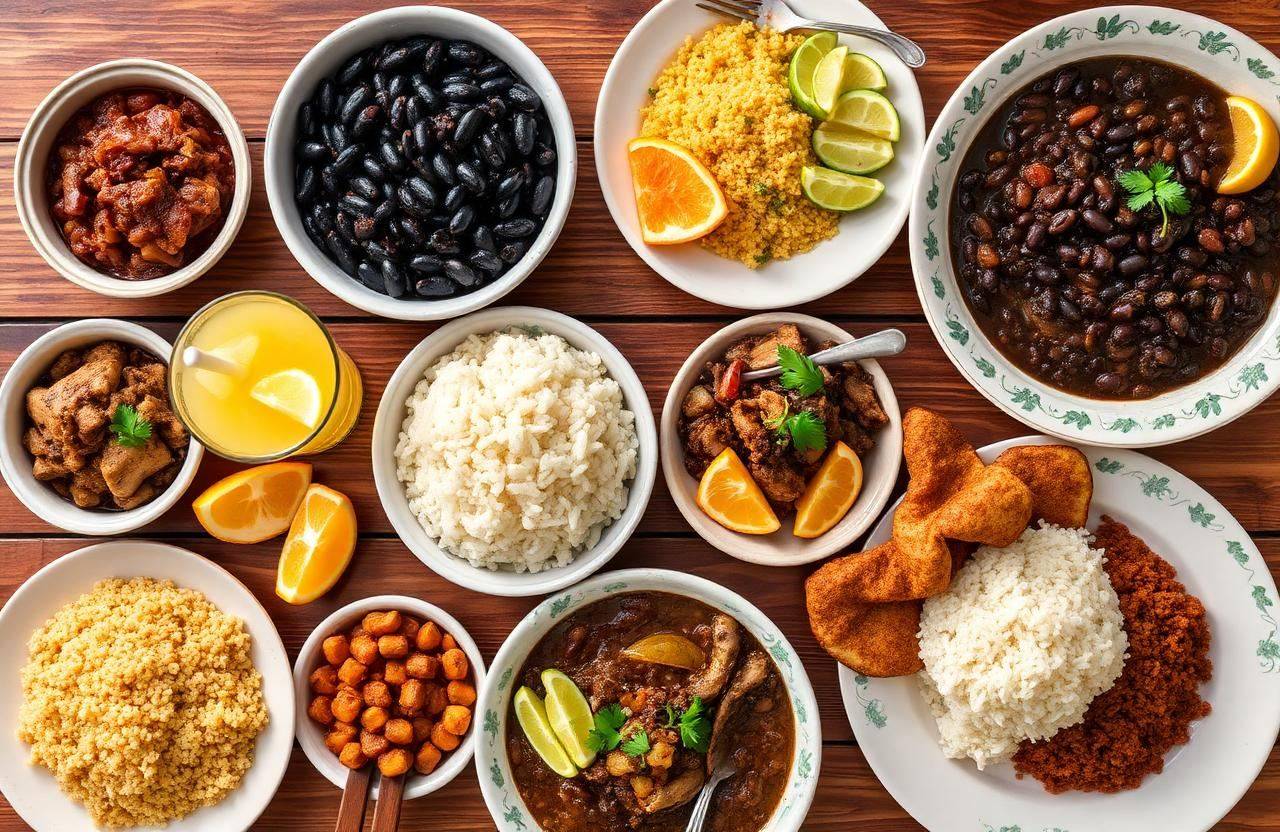
Start every day with breakfast and eat a proper meal before a long bloco or a parade night. Rice, beans, vegetables and a familiar protein give steadier fuel than sweets or energy drinks — and Rio's classic prato feito (a set plate of rice, beans, protein and salad) or a por-quilo (pay-by-weight) buffet are cheap, fast and everywhere. Carry a heat-stable snack for the delays that always happen. If your stomach is sensitive, Carnaval week is not the moment to test every rich dish at once; keep feijoada, the heavy black-bean and pork stew, for a slow recovery lunch rather than pre-bloco fuel.
For street food, choose busy vendors with high turnover, food cooked thoroughly in front of you and sealed drinks. Be wary of anything that has sat warm for hours. Água de coco (coconut water) from the beach and street kiosks is the local hydration staple for good reason: cheap, cold and full of electrolytes — check the posted price before you order. And if you follow a dietary plan for a medical condition, keep to it — festival excitement is not a reason to abandon it.
A sleep strategy that does not pretend you will get eight hours
You will not sleep eight hours — accept that now and optimise what you do get. Aim to protect five to six hours of core sleep, add a 60–90 minute afternoon nap on the hardest days, and always guard the morning after an all-night Sambadrome session. The biggest lever, though, is your room. Choose one where sleep is physically possible: effective air conditioning or real ventilation, curtains that actually block light, and enough distance from a street sound system. Earplugs and an eye mask help, but they cannot fix a party-hostel dorm whose social plan is the opposite of yours. If you are in a group or a couple, agree quiet windows before you book.
Do not use alcohol as a sleep aid — it wrecks the quality of the little sleep you get. If you have crossed time zones, keep the first day deliberately light. Fatigue quietly erodes your judgement around valuables, roads, consent and hydration long before it feels dramatic, so treating sleep as part of your safety plan, not a luxury, is one of the smartest things you can do.
PlanRio's Carnaval sleep-first hotel shortlist
Hand-picked bases chosen for air conditioning, quiet and easy transport home — the things that actually protect your sleep during Carnaval week. Confirm the exact room, cancellation terms and minimum stay before booking.
Dates optional. Set guests and rooms on Booking.com.
Check what your room rate includes
- Breakfast, taxes and any extra fees
- Room type, guest count and bed setup
- Cancellation deadline and when payment is due
Confirm these on Booking.com for the rate you choose.
Arena Ipanema Hotel
Best for: Primera visita con Ipanema, Arpoador y Copacabana a una distancia práctica.
Know before booking: Compara el trayecto exacto, el ruido de la habitación y las condiciones de la tarifa antes de reservar.
Check Arena Ipanema Hotel availabilityMiramar by Windsor Copacabana
Best for: Quienes buscan comodidad cerca del extremo de Copacabana que conecta con Arpoador e Ipanema.
Know before booking: Compara la habitación, el desayuno y las condiciones de pago y cancelación para tus fechas.
Check Miramar by Windsor Copacabana availabilityYoo2 Rio de Janeiro, Tapestry Collection by Hilton
Best for: A design-led bayfront stay with a rooftop pool and Sugarloaf views
Know before booking: The bayfront view comes with road-noise exposure; confirm the exact room orientation and rooftop access.
Check Yoo2 Rio de Janeiro, Tapestry Collection by Hilton availabilityFeet, skin and everyday medication
Your feet take the worst of Carnaval. Wear broken-in closed shoes — never brand-new ones — and alternate two pairs so each dries fully between days. Clean and cover friction spots the moment they appear; do not wait for a blister to become an open wound that ends your walking. Pack blister plasters and moleskin, keep feet dry, and change damp socks. Stretch if it normally helps you, but do not launch an aggressive new routine mid-trip and create a fresh injury. Reapply sunscreen after sweat or rain, not just once in the morning.
Carry the regular medication you might need during the day and keep the rest secured at your accommodation. Do not skip doses because the schedule slid — set a phone alarm if you have to. If a condition of yours can be affected by heat, alcohol, crowds or lost sleep, discuss the trip with a clinician beforehand and carry a short written note in Portuguese explaining your condition and what companions should do. Pharmacies (farmácias) are common and helpful for minor problems, but a pharmacist is not a substitute for emergency care.
Mental overload is also a reason to leave
A crowd can flip from exhilarating to claustrophobic in minutes. Stand toward an edge where you can move, agree a hand signal or a single word with your group that means "leave now, no debate", and go before panic makes navigation harder. A quiet meal, a hotel pool or a shaded beach morning is a completely valid Carnaval day — nobody should be pressured to stay because an event was famous or expensive. Use plain check-ins: green means comfortable, amber means leaving soon, red means leaving now with a buddy.
The group's priority in any wobble — too much sun, too much to drink, a panic spike — is getting the affected person somewhere safe, not completing the plan. And consent is never automatic: watch each other's drinks and limits, and if alcohol or exhaustion changes someone's ability to consent or navigate, that is the moment the shared night ends. For the fuller picture, read our Carnaval safety guide.
The recovery-day plan (Monday is your friend)
Build in at least one low-key afternoon — traditionally the Monday, when many Cariocas ease off before the final push. Sleep, eat, rehydrate and inspect your feet before you decide on anything else. Keep the whole day inside your accommodation's neighbourhood: a long lunch, a shaded garden, a quiet museum or a brief beach visit is far better recovery than crossing Rio twice for a landmark. Replace used supplies, recharge every device and confirm the single anchor for tomorrow — then stop planning.
If symptoms persist after rest and hydration, get proper medical advice; pharmacies handle the minor stuff but cannot replace emergency care. Keep your travel-insurance details and accommodation address saved offline so a companion can help if you cannot. A recovery day is not a lost day — it is the thing that keeps the rest of your Carnaval fun.

Sober and lower-intensity Carnaval still counts
You do not have to drink, dance for twelve hours or attend a mega-bloco to "do" Carnaval properly. Some of the best days are the quieter ones. Four ways to take part without burning out:
Music first
Choose a daytime, music-led bloco
Arrive early, stand at a comfortable edge and leave before the crush builds. Participate with água de coco (coconut water), juice or water in hand, and tell your group in advance so nobody keeps offering you drinks.
Spectacle
Watch one verified parade night
The samba schools, the bateria (percussion section) and the storytelling need no alcohol at all. Protect your sleep beforehand, eat properly and choose a sector for the view and comfort, not its drinks package.
Quiet culture
Use an off-peak recovery window
A calm padaria (bakery-café) breakfast, a shaded museum or a short beach morning keeps you connected to Rio without constant noise. Confirm holiday hours, keep the route compact and head back before fatigue builds.
Honest verdict
Skip the core week if overload is your baseline
If heat, noise and density feel threatening rather than thrilling, premium tickets and willpower will not fix the mismatch. Come before or after the core dates for samba and Rio at a pace you actually control.
Your twice-daily resilience reset
This is an operating routine, not another packing list. Run it before you leave and when you get back — it takes two minutes and it is what stops one rough day from wrecking the next.
Before leaving
- Name today's one essential anchor — and the optional plan you will drop first if the day slips.
- Check heat, rain, route and official event updates; eat, drink water and take routine medication as prescribed.
- Agree the group's outside-the-crowd meeting point and the latest sensible time to leave.
On returning
- Drink water, eat if you skipped a meal, and inspect feet and skin before you settle in for the night.
- Charge the minimum-value phone, dry your shoes and save tomorrow's address and route offline.
- Downgrade tomorrow immediately if sleep, symptoms or group tension already spent the recovery buffer.
Common operational mistakes
- Stacking direct sun, an empty stomach, alcohol and an all-night schedule into the same day — the classic recipe for collapsing by day four.
- Leaning on energy drinks and caffeine to paper over exhaustion instead of actually resting.
- Walking home alone across the city because a surge-priced ride felt too expensive.
- Leaving a tired, unwell or very drunk friend behind to 'catch up later'.
- Booking a party hostel dorm and then being surprised you cannot sleep during Carnaval week.
- Waiting until a blister is an open wound before changing shoes or covering the friction.
- Treating the empty half-day as wasted and cramming a landmark into it — then paying for it the next night.
Local expert tips
- Stop while the event is still fun. The best Carnaval memory is almost never the last hour of the longest night.
- Refill water whenever it is easy — a full bottle at the start of a bloco is worth more than one you meant to buy later.
- Eat before anyone in the group turns irritable; hunger and heat wreck decisions faster than tiredness.
- Carry a small heat-stable snack (nuts, a banana, a cereal bar) for the delays that always happen.
- Keep a written Portuguese note of any medical condition and what companions should do, in case you cannot explain it yourself.
- Budget for one unplanned safe ride home per person. Never let money be the reason someone walks back alone.
- Use a simple traffic-light check-in: green means good, amber means one more hour, red means leave now with a buddy.
Planning references
Official and health sources used for the time-sensitive heat, hydration and food guidance. Recheck the current year's Carnaval programme and any heat alerts before travelling.
- Rio Municipal Health: Carnaval health guidanceHydration, light clothing, sunscreen, shade, continued medication and heat-warning signs.
- Brazil Ministry of Health: heat-wave guidance (ondas de calor)Independently confirms the serious heat-illness warning signs cited above.
- World Health Organization: heat and health
Frequently asked questions
How do I survive five days of Rio Carnaval?
Plan one main event per day, protect five to six hours of core sleep after late nights, eat a proper meal before you leave, drink water regularly and keep at least one half-day completely empty. Drop optional plans the moment fatigue, heat or transport disruption makes them poor value — pacing, not willpower, is what gets people to Tuesday feeling good.
How much water should I drink at Rio Carnaval?
There is no single number that fits every person or condition, but the working rule Cariocas use is water throughout the day plus one glass of water for every alcoholic drink, starting with a full bottle before you head out. Respond to thirst and heat, favour água de coco (coconut water) for electrolytes, and seek urgent medical help for severe symptoms rather than trying to 'drink through' them.
Can I do Rio Carnaval without drinking alcohol?
Yes, and many locals do. Carnaval is built around music, performance and public participation — alcohol is optional. A sober plan usually makes heat management, protecting belongings, navigating crowds and catching early events easier, which is a real advantage for solo travellers and anyone driving their own pace.
What should I eat before a bloco?
Eat a familiar, balanced meal with carbohydrates, protein and some salt — rice, beans, a grilled protein and vegetables is ideal — then carry water and a heat-stable snack. Avoid starting a long event hungry or running on only sweets, alcohol or energy drinks, and keep heavier dishes like feijoada for a slow recovery meal, not a pre-bloco fuel-up.
When should I seek medical help for heat symptoms at Carnaval?
Leave the crowd and seek urgent care for fainting, confusion, convulsions, persistent vomiting, or severe or worsening headache, weakness or dizziness. Move the person to a cooler place and begin cooling — shade, water on the skin, loosened clothing — while help is arranged. This guide is planning information, not a medical diagnosis.
Where do I go if I get sick or injured during Carnaval?
Pharmacies (farmácias) are widespread and well-stocked for minor issues. For anything serious, Rio's public UPA emergency units and hospitals provide care, and the emergency number in Brazil is 192 for an ambulance (SAMU). Keep your accommodation address and travel-insurance details saved offline so a companion can act quickly on your behalf.
How do I protect my feet across five days of walking?
Alternate two pairs of broken-in closed shoes so each dries fully, change damp socks, and treat any friction the instant it appears rather than waiting for a blister. You will often walk 15–20km a day, so pack blister plasters, keep feet dry, and stop for broken skin, swelling or real pain instead of pushing until walking becomes difficult.
Is a rest day a waste of time at Carnaval?
No — a protected half-day is one of the highest-value things on your itinerary. It restores energy, judgement and enjoyment for the events that matter, and it absorbs heat, rain and the inevitable late start. Rest near your accommodation with sleep, a proper meal and foot care rather than converting recovery into another long cross-city outing.
How do I stay safe in a huge Carnaval crowd?
Before entering any bloco, agree a meeting point outside the event footprint, set a reunion time and move in pairs — a named shop corner or station entrance, never 'near the stage'. Carry only a zipped front-facing bag with a minimum-value phone, water and modest cash, leave passports and spare cards secured, and if you are separated go to the agreed point instead of pushing back through the moving crowd.
What should I do if crowds start to feel overwhelming?
Crowd overload is a valid reason to leave, not something to endure. Tell a companion, move sideways with the flow toward the edge and head to your agreed quiet point outside the event. Cool down, drink water and do not re-enter until you genuinely feel stable — a quiet meal, hotel pool or shaded beach morning is a completely valid Carnaval day.
Keep planning
Keep planning
Rio Carnaval 2027 – Complete Guide
Confirmed 2027 parade dates and order, blocos, safety, stays, transport, budgets and honest VIP-box trade-offs.
Rio Carnaval Packing List 2027
Pack for Rio Carnaval 2027 with a bloco-ready day bag, heat and rain kit, clothing quantities, current power-bank rules, medication and what to leave secure.
What to Wear in Rio in February: Carnaval Heat & Bloco Kit
What to wear in Rio de Janeiro in February: the humidity problem, the bloco uniform, shoes that survive a street party and a week's packing list.
Solo Travel at Carnaval in Rio
Plan solo travel at Rio Carnaval with transport-ready stays, social options, realistic crowd and safety advice, and a flexible 2027 event plan.
Rio Carnaval Safety Guide 2027
Practical guidance for phones, crowds, drinks, consent, heat, transport, emergencies, solo travellers and the Sambadrome.