Best Restaurants in Tijuca, Rio: A Zona Norte Guide
Written and reviewed by Lotte — Rio local, founder & editor of PlanRio · How we research · First published · Last reviewed
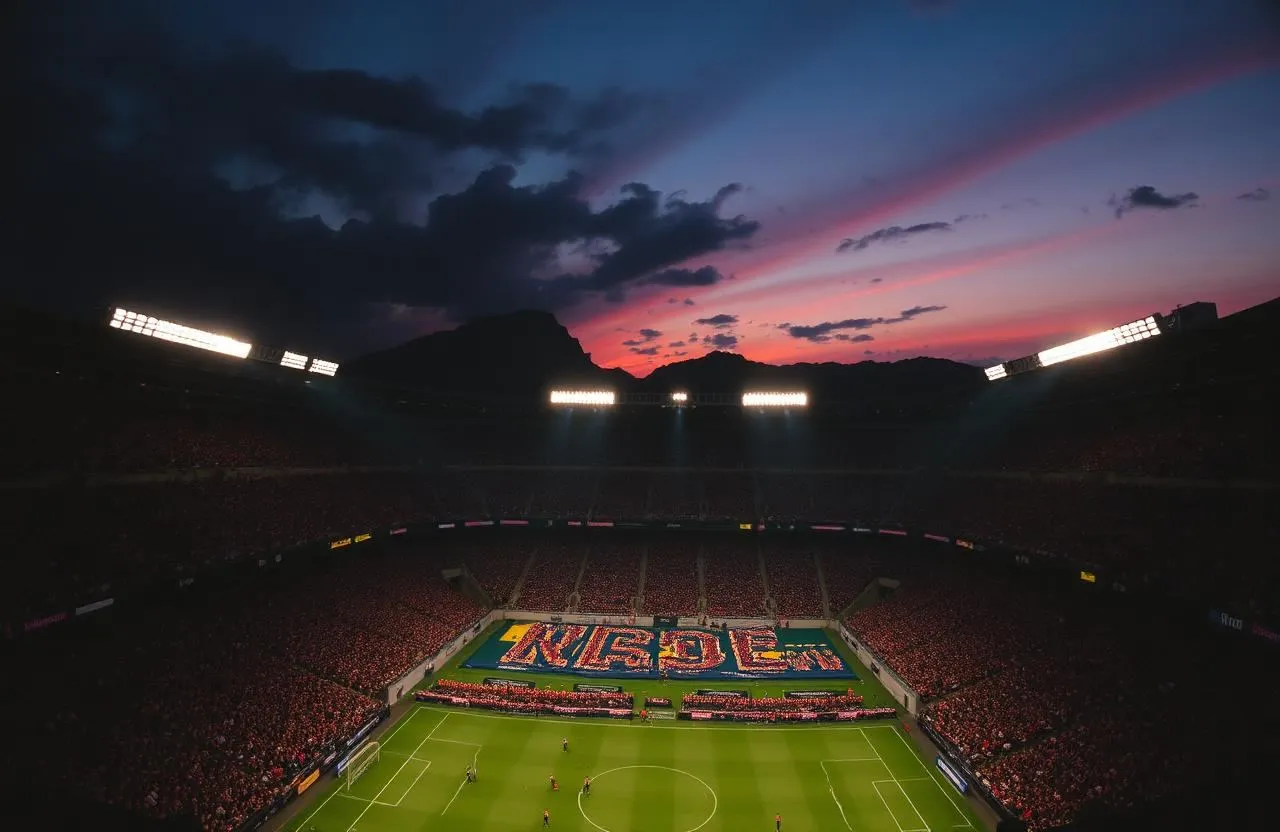
The Maracanã sits in this part of the city. Dinner in Tijuca before or after a fixture is the natural pairing.
Quick answer
Rio's Zona Norte eating is concentrated in the Grande Tijuca — Tijuca, Vila Isabel, Grajaú and Maracanã — where the city's densest boteco culture sits at roughly half Zona Sul prices. Bar do Momo, Bar da Gema and Restaurante Salete are the Tijuca institutions, and Aconchego Carioca in Praça da Bandeira is the easiest first visit. Take the metro out and an app ride back.
Links may earn us a commission at no extra cost to you. This supports PlanRio.
At a glance
Where this is
Grande Tijuca — Tijuca, Vila Isabel, Grajaú, Andaraí, Maracanã — plus Praça da Bandeira and Méier further north.
Why go
Rio's deepest boteco culture, at roughly half Zona Sul prices, with almost no visitors in the room.
The format
Botecos and neighbourhood restaurants, not destination dining. Petiscos, chope, pavement tables, no reservations.
The dish the area is famous for
Petiscos — the bar snacks. Several of Brazil's most-copied ones were invented in these streets.
Best timing
Early evening, Tuesday to Saturday. Many places fill from about 19:00 and are at their best before 21:00.
Getting there
Metro Line 1 serves Saens Peña (Tijuca) and Maracanã directly from the Zona Sul.
Getting back
App ride. The metro closes earlier than the bars do.
Pair it with
A Maracanã match, a Vila Isabel samba night, or the Tijuca Forest in the morning.
Half the city eats here, and no guidebook mentions it
Rio's restaurant coverage — including, until now, ours — is overwhelmingly about the Zona Sul, Barra and Centro. That is where visitors stay and where the expensive rooms are. It also means the standard map of Rio eating leaves out the Zona Norte entirely, which is where a very large share of the city actually lives, works and goes out.
The Grande Tijuca — Tijuca proper, Vila Isabel, Grajaú, Andaraí, Maracanã, with Praça da Bandeira on its southern edge — is the part of that worth travelling for. It has the city's densest concentration of long-running botecos, several of which are genuinely famous within Rio, and it has them at prices that make Leblon look eccentric.
It is not a fine-dining destination and nobody is pretending otherwise. What it is, is the best place in Rio to understand carioca bar culture as residents practise it: pavement tables, chope, a succession of petiscos, conversation that gets louder, and a bill at the end that will not upset you.
The practical reason it is worth a visitor's evening is contrast. After four days of beach-adjacent restaurants with English menus, a Tuesday night at a Tijuca boteco is the point at which Rio stops being a destination and starts being a city.
The petisco belt: Tijuca's famous bars
Bar do Momo, on the Tijuca side, is the one most cariocas name first. Small, more than fifty years old, with tables spilling across the pavement, and known above all for the bolovo — a bolinho de bacalhau built around a whole boiled egg. It is the kind of place whose single dish gets copied across the city and never quite matched.
Bar da Gema is the other Tijuca institution of that generation, known for the pastel de feijoada and for a kitchen that takes petiscos seriously. Bar Madrid, also in Tijuca, does craft beer alongside its bar snacks, with the shrimp and palm-heart empadas as the Saturday draw.
Restaurante Salete has been trading in Tijuca for more than sixty years and is known for one thing above all: empadas, in a range of fillings, made the way they were made before anyone thought of them as retro.
Bar do Adão began in Grajaú, selling pastéis from a corner before it became a bar and then a chain across the city. The original neighbourhood version is still the one to go to, and the menu's inventiveness with pastel fillings is the house signature.
Opening hours and days shift at all of these — several are closed early in the week, and the famous ones fill fast. Check the specific bar before travelling across the city, and treat the listings in the sources below as the current reference rather than this page.
Praça da Bandeira: the bridge between two Rios
Praça da Bandeira sits between Centro and Tijuca, and for a long time it was a place you drove through. It is now one of the more interesting eating pockets in the city, largely because of one restaurant.
Aconchego Carioca, run by chef Kátia Barbosa, is where the bolinho de feijoada was invented — a croquette of feijoada with a crust, which is now on menus across Brazil and in several other countries. It has won repeated critics' awards, and the rest of the menu is the same idea: carioca bar food taken seriously without being made precious. Pork ribs in a goiabada sauce is the other dish people travel for.
It is the single easiest recommendation on this page for a visitor, because it is a short ride from Centro or the Zona Sul, it is accustomed to people who have come specially, and it is genuinely excellent rather than merely authentic. Go early or expect to wait — it does not take the pressure off at weekends.
Around it, the neighbourhood has filled in with smaller places, and the area is a reasonable first step for anyone unsure about heading further north.
Méier, Vila Isabel and further out
Méier, deeper into the Zona Norte, is a full neighbourhood with its own commercial centre and its own eating culture. Casa do Bacalhau, founded there in 1979 by a Portuguese family, is the landmark: a specialist salt-cod house with a dining room and a street counter selling fritters to passers-by, and one of the better-value serious fish meals in Rio.
Vila Isabel is the samba neighbourhood — Noel Rosa's, and the home of the Unidos de Vila Isabel school — and its eating culture is bound up with that. Boulevard 28 de Setembro is the spine, and the right version of a Vila Isabel evening is food and then music rather than one or the other.
Grajaú and Andaraí are residential and quieter, with the bars that serve them. These are not destinations in themselves for a short trip, but if you are staying in the area or going to a match, they are where the neighbourhood eats.
Maracanã, the neighbourhood around the stadium, is a different proposition: it is busy on match days and quiet otherwise, and the eating near the ground is functional rather than good. Eat in Tijuca before or after rather than at the stadium gates — our Maracanã guide covers the matchday logistics.
How to do a Zona Norte night as a visitor
Take the metro out and an app ride back. Line 1 runs from the Zona Sul to Saens Peña in Tijuca and to Maracanã, which makes the outbound trip cheap and simple. The metro closes earlier than the bars do, so budget for a car home — it is a short ride and not expensive.
Go early. These are neighbourhood bars with pavement tables and no reservations, and the famous ones fill from around seven. Arriving at nine on a Friday to a bar with fifteen tables is how you end up standing on the kerb.
Order petiscos in sequence rather than a main course each. The format is a succession of small plates shared across the table alongside chope, and the kitchen is set up for that. A bolinho, then a pastel, then something grilled, then another round.
Speak some Portuguese. English is much less common here than in the Zona Sul, menus are rarely translated, and the goodwill a few phrases buys is disproportionate. Our language guide has the six that matter.
On safety, apply the same rules you would anywhere in Rio after dark rather than a different set: keep the phone away on the street, use app rides rather than walking between neighbourhoods at night, and stay on the busy stretches. These are ordinary residential districts with ordinary city caution attached, and our safety guide covers the habits.
What to pair it with
A match at the Maracanã. The stadium is in this part of the city, and dinner in Tijuca before or after turns a fixture into an evening rather than an errand.
Samba in Vila Isabel. The neighbourhood's connection to the music is real rather than marketed, and a roda there is a different experience from Lapa.
The Tijuca Forest. The park entrances are above the neighbourhood, so a morning hike and a late lunch in Tijuca is a coherent day that requires no crossing of the city.
Or nothing at all. A Tuesday evening at a Tijuca boteco, with no plan attached, is the version most worth doing, and it is the one that will stay with you longer than another dinner with a view.
The two reasons to be in this part of Rio
A match at the Maracanã is the single best pairing for a Tijuca dinner, and if you want a quieter, cheaper and far more residential base than the beach neighbourhoods, staying up here is a legitimate choice rather than a compromise.
Common mistakes tourists make
- Arriving at nine on a Friday. The famous botecos have fifteen tables, no reservations, and fill from about seven.
- Ordering a main course each. The format is petiscos shared in sequence, and the kitchens are built for that.
- Planning to take the metro home. Line 1 closes earlier than the bars do — budget for an app ride back.
- Eating at the stadium gates on a match day. The food near the Maracanã is functional; Tijuca is ten minutes away and far better.
- Expecting English menus. Translation is rare here and a few Portuguese phrases change the evening.
- Going on a Monday. Several of the best places are closed early in the week.
- Treating the area as a daytime destination. The Zona Norte's draw is the early evening, not lunch.
- Judging it against Leblon. It is not competing — it is the version of Rio eating that visitors usually never see.
Local expert tips
- Start at Aconchego Carioca in Praça da Bandeira if you are unsure. It is the shortest ride, the most used to visitors, and genuinely excellent.
- Order the bolovo at Bar do Momo and the pastel de feijoada at Bar da Gema. Each bar has the one thing it is known for — ask and order it.
- Take Line 1 to Saens Peña and walk from there. The neighbourhood around the station is where most of this is.
- Go on a Tuesday or Wednesday. Same bars, half the wait, and a more local room.
- Combine with a Maracanã fixture if the calendar allows — dinner in Tijuca before or after turns the match into a proper evening.
- Learn 'a conta, por favor' and 'mais um chope'. Those two phrases cover most of an evening here.
- Budget roughly half what you would in Leblon for the same amount of food and drink, and order accordingly.
Frequently asked questions
Where should I eat in Rio's Zona Norte?+
The Grande Tijuca — Tijuca, Vila Isabel, Grajaú, Andaraí and Maracanã — has the densest concentration of long-running botecos, with Praça da Bandeira on its southern edge and Méier further north. Bar do Momo, Bar da Gema, Bar Madrid and Restaurante Salete are the Tijuca institutions; Aconchego Carioca in Praça da Bandeira is the easiest recommendation for a visitor.
Is it worth leaving the Zona Sul to eat in Tijuca?+
For one evening, yes. You get Rio's deepest boteco culture at roughly half Zona Sul prices, in rooms where almost nobody is a tourist. It is not fine dining and it is not scenic — the value is that it is the city eating as residents actually eat, which is the thing a beach-adjacent restaurant cannot give you.
What is a petisco?+
A bar snack, served to share alongside beer — the format that defines carioca boteco eating. Bolinhos (croquettes), pastéis (fried pastries), grilled meats, fried cassava and similar. Order them in sequence across a table rather than a main course each; the kitchens are built for it.
What is Aconchego Carioca known for?+
The bolinho de feijoada — a croquette of feijoada invented there by chef Kátia Barbosa and now copied across Brazil — and pork ribs in a goiabada sauce. It is in Praça da Bandeira, a short ride from Centro or the Zona Sul, has won repeated critics' awards, and is accustomed to people who have come specially. Go early at weekends.
How do I get to Tijuca from Copacabana or Ipanema?+
Metro Line 1 runs from the Zona Sul directly to Saens Peña in Tijuca and to Maracanã — cheap, quick and simple on the way out. Coming back, take an app ride: the metro closes earlier than the bars do and the fare across the city is modest.
Is the Zona Norte safe for visitors at night?+
Apply the same habits you would anywhere in Rio after dark rather than a different set: keep your phone out of sight on the street, use app rides instead of walking between neighbourhoods late, and stay on the busy commercial stretches. These are ordinary residential districts, and the famous bars sit on active, well-used streets.
Do people speak English in Tijuca restaurants?+
Much less than in the Zona Sul, and menus are rarely translated. A handful of Portuguese phrases goes a long way here, and the reception you get for trying is noticeably warmer than in the tourist districts.
When are Tijuca's botecos open?+
Most run Tuesday to Saturday with varying hours, and several close early in the week. They fill from around 19:00 and the famous ones have limited tables, so arrive early rather than late. Check the specific bar's current hours before crossing the city for it.
What should I pair a Zona Norte dinner with?+
A match at the Maracanã, which is in the same part of the city; a samba night in Vila Isabel, where the connection to the music is genuine rather than marketed; or a morning in the Tijuca Forest, whose park entrances sit directly above the neighbourhood.
Sources and image credit
Details and access can change. Use these venue, operator and public-information sources to recheck key details before visiting.
- Riotur: where to eat in Rio de Janeiro ↗
The city tourism board's directory — the place to confirm a current address and opening hours.
- Veja Rio restaurant and bar listings ↗
Current Brazilian press listings, including the Grande Tijuca bars.
- Diário do Rio: Zona Norte bar coverage ↗
Local Rio journalism that covers the Zona Norte eating scene far more thoroughly than national titles.
Keep planning
Tijuca neighbourhood guide
What the district is like beyond its bars, and whether to stay there.
Maracanã football guide
Getting tickets, the biometrics rule and how a matchday actually works.
Rio's best botecos
The citywide version, and what makes a boteco a boteco.
Where to stay near the Maracanã
If a match or the Zona Norte is the reason for the trip.
Where to eat feijoada
Including the croquette version that was invented in Praça da Bandeira.
Rio's samba venues
Including Vila Isabel, where the Zona Norte's music tradition actually lives.