Pipa: The Complete Guide from Rio
Praia da Pipa · Rio Grande do Norte · Northeast Brazil
Quick answer
Pipa (Praia da Pipa) is a clifftop beach village in Rio Grande do Norte, reached by flying to Natal and driving about 90 minutes south. Give it 2–3 nights for its cliffs, dolphin bay and easygoing nightlife. Stay in or near the village, walk everywhere, and take a buggy tour to reach the wilder beaches.
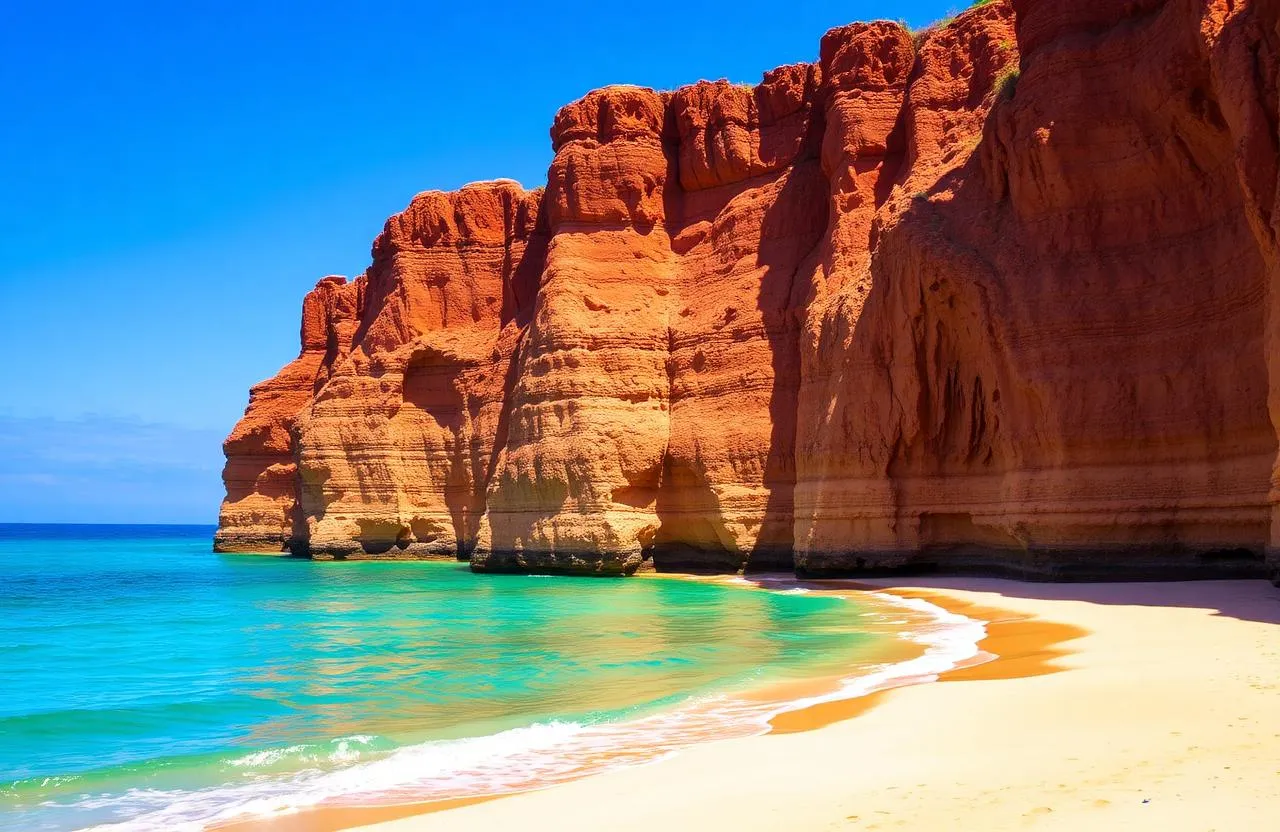
Pipa is what Búzios was in the 1980s — a former fishing village turned bohemian beach town, only this one sits on dramatic red-and-green cliffs above some of the warmest, clearest water in Brazil. Backpackers, surfers and Argentine holidaymakers found it long ago; it's still small enough to walk end to end, but with enough good food and nightlife to keep you up late.
This is the practical local guide to Praia da Pipa from Rio in 2026: how to get up to the Northeast, where to sleep in a village with no big resorts, which beaches are worth the cliff scramble, and how to make the most of a place that runs on flip-flops, buggies and sunset caipirinhas.
Pipa at a glance
| Getting there | Fly Rio → Natal (NAT), then ~85 km / ~1.5h transfer south |
|---|---|
| Ideal stay | 2–3 nights |
| Best base | Praia da Pipa village (walkable to the main street and beaches) |
| Best months | September–March (sunniest, driest); rainiest March–July |
| Known for | Sea cliffs, dolphins, Praia do Amor surf, laid-back nightlife |
| Beaches | Praia do Centro, Praia do Amor, Baía dos Golfinhos, Praia das Minas |
Complete destination guide
Why go, and who it's for
Go to Pipa for warm, calm, swimmable sea, cliffs you can hike along at low tide, wild dolphins that cruise into the bay most mornings, and a compact village where the beach, the bars and your pousada are all a short barefoot walk apart. It suits couples, surfers, solo travellers and anyone who wants a beach town with soul rather than a resort strip.
It's not for travellers who want five-star polish or lots of organised sightseeing. Pipa is small, unpolished and proudly low-key — the entertainment is the nature and the easy social scene, not attractions.
The beaches
Praia do Centro (the town beach) is where you'll land: calm, sheltered water backed by the village, with kiosks and boats out to snorkel spots. Baía dos Golfinhos (Dolphin Bay), just north, is the star — walk there along the sand at low tide and you'll often see dolphins; check the tide, because the beach disappears at high water.
Praia do Amor, south of town below the cliffs, is the surf beach — a heart-shaped bay reached by a long staircase, with the best waves and a young crowd. Beyond it, Praia das Minas is wilder and quieter (and a turtle-nesting beach in season). Across the estuary, Tibau do Sul and the Lagoa de Guaraíras are the classic sunset spot.
Village life, food and nights out
The single main street, Avenida Baía dos Golfinhos, is the spine of everything — restaurants, bars, ice-cream, surf shops and, after dark, the nightlife. It's genuinely international: you'll hear as much Spanish as Portuguese, and eat everything from Bahian moqueca to wood-fired pizza and açaí.
Days are for the beach and the cliffs; the Santuário Ecológico de Pipa (a private nature reserve with clifftop trails and lookouts over Dolphin Bay) is the one 'sight'. Nights build slowly — dinner, then bars on the main street, then a beach party if there's one on. It's mellow, not Ibiza, but it can run late in high season.
How to get there from Rio de Janeiro
Fly to Natal first
There's no airport at Pipa, so you fly to Natal (NAT, São Gonçalo do Amarante airport). From Rio, expect a flight of around 3 hours; many services connect through Recife, Salvador or São Paulo, so compare direct versus one-stop options and book ahead for the best fares (often R$400–800 return depending on season).
Natal's airport actually sits on the north side of the city, while Pipa is about 85 km south — so the transfer is around 1.5 hours (sometimes a little more with city traffic). Pre-book a shared or private transfer, take a taxi/Uber to a bus, or arrange pickup through your pousada; a private car is the least hassle after a long flight.
Transfers, buses and cars
Shared shuttle vans run between Natal (and its airport) and Pipa daily and are the cheapest comfortable option; private transfers cost more but go door to door. Public buses connect Natal's bus terminal to Goianinha/Tibau do Sul and on to Pipa but involve changes and are slow with luggage.
You can rent a car at Natal airport if you want to explore the coast independently, but note that Pipa's sandy lanes and tight parking make a car more of a liability than an asset once you're in the village — most people arrive, park up and walk.
Getting around Pipa
You won't need transport in the village — everything is walkable, if hilly and sandy. To reach the wilder beaches, lagoons and viewpoints along the coast, the local way is a buggy tour (bugueiro), which strings together several beaches and dunes in a day. Mototaxis and a few local taxis cover longer hops.
Best areas & neighbourhoods
Praia da Pipa village (Centro)
The obvious base: steps from the main street, the town beach and the nightlife. Best for first-timers and anyone without a car — walk to everything, sleep with the buzz nearby.
Chapadão / cliff side
The quieter clifftop pousadas above the village and Praia do Amor trade a little walking for sea views and calm. Lovely for couples who want quiet but still want to stroll into town.
Praia do Amor side
Closer to the surf beach and its staircase; a good pick if waves are your priority, with a short walk up to the main street for dinner.
Tibau do Sul & Lagoa de Guaraíras
The village across the estuary is calmer and family-friendly, famous for its lagoon sunsets. Quieter nights and cheaper stays, but you'll want a transfer for Pipa's beaches and bars.
Sibaúma / Praia das Minas
Wilder and more remote south of town — for travellers who want empty sand and nature over convenience, and don't mind arranging rides.
Where to stay in Pipa
Pipa has no big resorts — it runs on family-run pousadas, and the best strategy is to stay in or just above the village so you can walk to the beach and the main street. Below are three PlanRio hand-picked stays in the heart of Praia da Pipa, from a walkable pousada to a self-catering apart-hotel a few minutes from the beach.
Three hand-picked Pipa stays
Family-run pousadas and a self-catering apart-hotel in the heart of Praia da Pipa — walk to the beach and the main street.
Dates optional. Set guests and rooms on Booking.com.
Check what your room rate includes
- Breakfast, taxes and any extra fees
- Room type, guest count and bed setup
- Cancellation deadline and when payment is due
Confirm these on Booking.com for the rate you choose.
Pousada Lounge Pipa
Best for: A walkable base near Pipa's main street and the town beach
Know before booking: Central Pipa is lively at night — ask for a quieter room if you are a light sleeper.
Check Pousada Lounge Pipa availabilityPousada Cavalo Marinho
Best for: A pool-and-hammock pousada minutes from Pipa Beach
Know before booking: The heart-of-Pipa location trades a little quiet for walk-everywhere convenience.
Check Pousada Cavalo Marinho availabilityFlor da Mata Apart Hotel
Best for: Self-catering apart-hotel units a short walk from Pipa Beach
Know before booking: Aparthotel layouts vary — confirm the exact unit, kitchen and air-conditioning before booking.
Check Flor da Mata Apart Hotel availabilitySafety guide
Pipa is one of the more relaxed, tourist-friendly beach towns in the Northeast, and violent crime is rare. The realistic risks are opportunistic — don't leave phones and bags unattended on the beach, and keep valuables in your pousada safe rather than carrying them out at night.
The bigger dangers here are natural. The cliffs are undercut and unstable — stay off the base at high tide and don't climb them; people are injured every year. Check the tide before walking to Dolphin Bay or along the cliff beaches, because the sand vanishes as the water rises and you can get cut off.
At Praia do Amor the surf and currents are strong — swim where others are and respect the flags. Walking home along the main street at night is fine and busy in season; on quieter nights or empty stretches of beach, walk in a group and stick to lit areas. Standard caution with drinks and new acquaintances applies, as anywhere.
A 2-day Pipa itinerary
Day 1 — Village, town beach & sunset: Settle in, swim at Praia do Centro, walk to Baía dos Golfinhos at low tide to look for dolphins, then cross to Tibau do Sul for sunset over the Lagoa de Guaraíras. Dinner and drinks on Avenida Baía dos Golfinhos.
Day 2 — Cliffs, surf & a buggy tour: Morning at the Santuário Ecológico for the clifftop lookouts, a surf or swim at Praia do Amor, then an afternoon buggy tour along the coast's beaches, dunes and lagoons — ending back in the village for a final night out.
Best tours & a practical booking guide
The whole point of Pipa's outer beaches, dunes and lagoons is that they're spread along a wild coast, so the tours that pay off are the ones that reach them: a classic buggy run along the coast, a cliffs-dunes-and-sunset jeep tour, and — if you're basing in Natal first — a full-day Pipa excursion. Book a day ahead in high season.
Best Pipa tours to book
Pipa 4x4 jeep tour
Reach the beaches and cliffs of the coast by jeep.
Cliffs, dunes & sunset jeep tour
The wilder beaches, dunes and a sunset finish.
Pipa full-day trip from Natal
Useful if you're basing in Natal before Pipa.
Links may earn us a commission at no extra cost to you. This supports PlanRio.
Common mistakes visitors make
- Ignoring the tide — Dolphin Bay and the cliff beaches disappear at high water, and you can get cut off or miss the dolphins entirely.
- Climbing or sitting under the cliffs, which are unstable and cause injuries every year.
- Renting a car for the village — Pipa's sandy lanes and parking make it a hassle; arrive, park and walk instead.
- Underestimating the transfer — the airport is on the far side of Natal, so budget ~1.5 hours to reach Pipa after you land.
- Only staying one night — with the travel time to get here, two or three nights is what makes it worth it.
Local expert tips
- Check a tide table for your dates: plan the walk to Baía dos Golfinhos for low tide, ideally in the morning when dolphins are most active.
- The Lagoa de Guaraíras at Tibau do Sul is the best sunset in the area — go a bit early for a table.
- Carry cash and use Pix; smaller pousadas, kiosks and buggy drivers may not take foreign cards.
- September to March is high, sunny season; if you want it quieter and cheaper, the shoulder months still get plenty of sun between showers.
- Bring reef-safe sunscreen and water shoes for the rocky, cliff-backed beaches.
Frequently asked questions
How do I get to Pipa from Rio de Janeiro?
Fly from Rio to Natal (NAT), Rio Grande do Norte — around 3 hours, often with a connection through Recife, Salvador or São Paulo. Natal's airport is about 85 km north of Pipa, so it's roughly a 1.5-hour transfer south to the village. Pre-book a shared or private transfer, or arrange a pickup through your pousada.
How many days do you need in Pipa?
Two to three nights is ideal. That's enough for the town beach and Dolphin Bay, the cliffs and the Santuário Ecológico, a surf or swim at Praia do Amor, a sunset at the Tibau do Sul lagoon, and a buggy tour of the wider coast — with time to enjoy the easygoing nightlife.
Is Pipa safe for tourists?
Pipa is a relaxed, tourist-friendly beach town where violent crime is rare; the main risks are opportunistic theft and natural hazards. Don't leave valuables on the beach, don't climb or sit under the unstable cliffs, check the tide before beach walks, and respect the flags in the strong surf at Praia do Amor.
What are the best beaches in Pipa?
Praia do Centro (the calm town beach), Baía dos Golfinhos for dolphin-spotting at low tide, Praia do Amor for surf, and the wilder Praia das Minas beyond it. Across the estuary, Tibau do Sul and the Lagoa de Guaraíras are the classic sunset spot. A buggy tour links the more remote beaches and dunes.
When is the best time to visit Pipa?
September to March is the sunniest and driest stretch and the best time to go, with warm, calm sea. The rainiest months are roughly March to July, though showers are usually short and the water stays warm year-round. High season (December–February and July) is busiest and priciest.
Where should I stay in Pipa?
Stay in or just above Praia da Pipa village so you can walk to the beach, restaurants and nightlife — Pipa has no large resorts, only family-run pousadas. The clifftop side is quieter with sea views, while Tibau do Sul across the estuary is calmer and cheaper but needs transfers to Pipa's beaches.
Can you see dolphins in Pipa?
Yes — wild dolphins regularly cruise into Baía dos Golfinhos (Dolphin Bay), especially in the morning. Walk there along the sand from the town beach at low tide, or view them from the clifftop lookouts at the Santuário Ecológico. Sightings aren't guaranteed, but they're common in calm conditions.
Do you need a car in Pipa?
No. The village is small and walkable, and a car is more hassle than help on the sandy lanes with limited parking. To reach the outer beaches, dunes and lagoons, take a local buggy tour instead. If you want to explore the wider coast independently, rent a car at Natal airport rather than in the village.