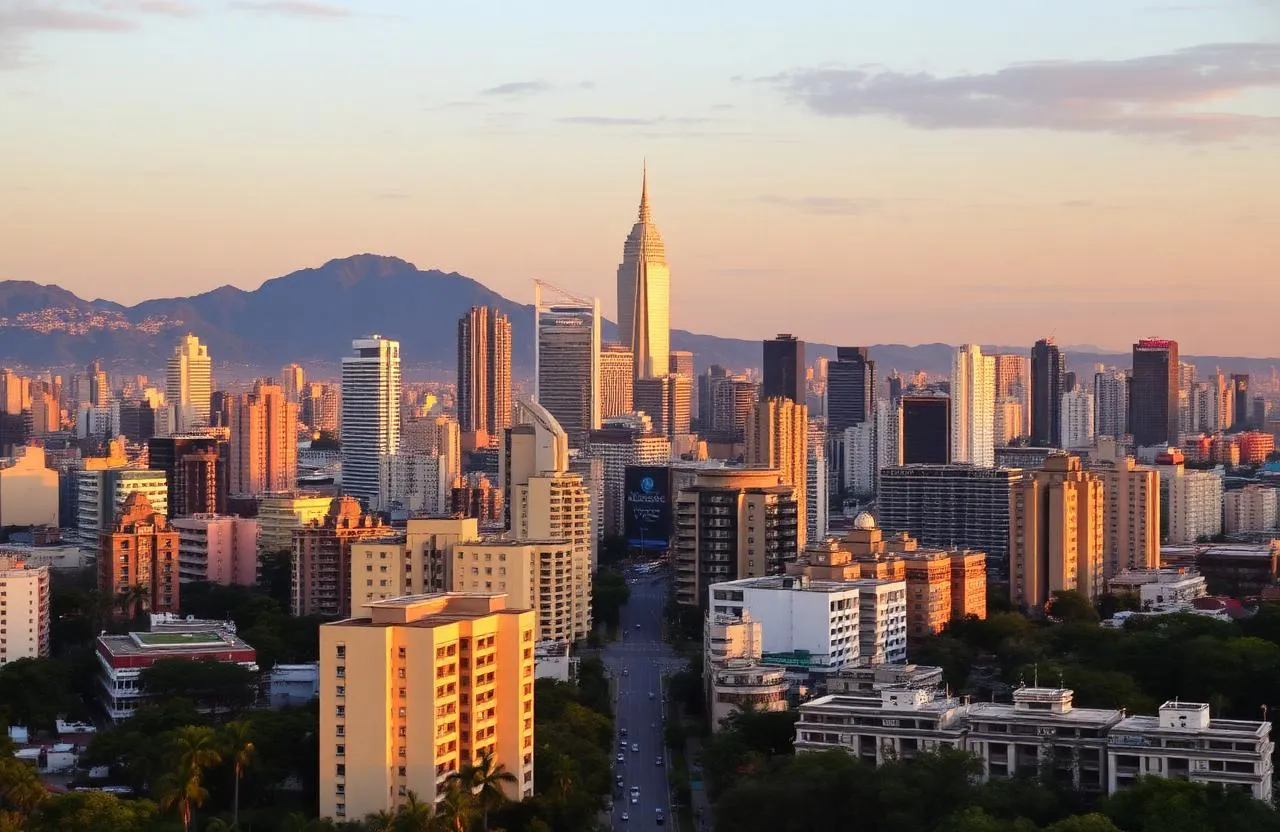
São Paulo: The Complete Guide from Rio
São Paulo · Southeast Brazil
Quick answer
São Paulo is a 45-minute flight or 6-hour bus from Rio and rewards a 2–3 day city break built around food, art and nightlife rather than beaches. Base yourself around Avenida Paulista, Jardins or Vila Madalena, ride the metro by day, and use Uber after dark.
São Paulo is the anti-Rio: no beach, no postcard mountains, just 12 million people and the best food, art and nightlife in the country. Cariocas love to tease Paulistanos for working too hard, but when we want a proper restaurant weekend or a gig we can't see in Rio, this is where we go.
This is the practical local guide to doing São Paulo from Rio in 2026 — how to get there, which neighbourhood to sleep in, what's genuinely worth your limited time, and how to stay street-smart in a city that runs on the metro and Uber, not on flip-flops.
São Paulo at a glance
| Distance from Rio | ~430 km · 45-min flight (GIG/SDU → GRU/CGH) · ~6h by bus |
|---|---|
| Ideal stay | 2–3 nights, longer if you build in a Paulista weekend |
| Best base | Avenida Paulista, Jardins, Pinheiros or Vila Madalena |
| Best months | March–May and September–October (mild, drier, fewer storms) |
| Known for | Restaurants, MASP and Ibirapuera, Liberdade, street art, nightlife |
| Beach? | No — the coast (Santos, Guarujá) is a 1–1.5h drive away |
Complete destination guide
Why go, and who it's for
Go to São Paulo for the things Rio does not do well: a world-class restaurant scene (from R$25 per-kilo lunches to Latin America's best fine dining), serious museums, live music every night of the week, and shopping that goes well beyond beachwear. It suits food-lovers, culture-seekers, LGBTQ+ travellers (Sampa has South America's biggest Pride) and anyone who has already 'done' Rio's beaches and wants a different side of Brazil.
It is not a relaxing beach add-on. If your trip is all sun and sand, São Paulo is a detour; if you want two or three high-energy days of eating and exploring, it's the best city in Brazil for it.
What to see and do
Start on Avenida Paulista: walk the mile-long avenue (car-free on Sundays), see MASP's floating red-concrete museum and its glass-easel collection, and duck into the free Instituto Moreira Salles. Spend a half-day in Parque Ibirapuera — Sampa's answer to Central Park — with the Afro Brasil and MAC modern-art museums inside it.
For neighbourhoods with character: Vila Madalena for street art (the graffiti-covered Beco do Batman alley) and bars; Liberdade for the largest Japanese community outside Japan, its lantern-lined streets and Sunday market; and the historic Centro for the Municipal Market (Mercadão) — go for the mortadella sandwich and the pastel de bacalhau, both tourist-priced but genuinely good.
Save an evening for a boteco crawl in Pinheiros or Vila Madalena, and if you can, book one high-end dinner — this is the city where it's worth it.
Food and drink
Eating is the main event. Lunch like a local at a por quilo (pay-by-weight) buffet — you'll eat well for R$40–70. For an only-in-Sampa meal, try the Middle Eastern food around Paraíso, the Japanese in Liberdade, or the Italian cantinas in Bixiga (Bela Vista), a neighbourhood built by Italian immigrants.
Coffee is taken seriously here; specialty cafés cluster in Pinheiros and Vila Madalena. And the city's fine-dining rooms — several of them among the world's best — are far easier to book (and often cheaper) than their equivalents abroad. Reserve a week or two ahead for the famous ones.
How to get there from Rio de Janeiro
By plane (best option)
The Rio–São Paulo air shuttle is one of the busiest routes on earth — flights leave roughly every 30 minutes. The quick city-to-city hop is Santos Dumont (SDU) in central Rio to Congonhas (CGH) near central São Paulo, ~1h in the air; both airports are close to downtown, so it's genuinely faster than the numbers suggest. Galeão (GIG) to Guarulhos (GRU) also runs constantly but both are further out.
Book early and you'll find fares from around R$150–350 one-way on LATAM, GOL and Azul. Fly into Congonhas if you can — an Uber from CGH to Avenida Paulista is 20–30 minutes; from Guarulhos it's 45–75 minutes and R$90–150.
By bus
Frequent buses run from Rio's Rodoviária Novo Rio to São Paulo's Tietê terminal, roughly every 30–60 minutes, taking about 6 hours for R$100–150 (more for a leito-cama sleeper). It's comfortable and cheap, but once you add airport-style transfer time the plane usually wins unless you're travelling overnight to save a hotel night. Tietê connects straight to the metro.
Getting around once there
São Paulo's metro and CPTM trains are clean, cheap (around R$5 a ride) and the smart way to cover distance by day — they reach Paulista, Liberdade, the centre and Ibirapuera's edge. After dark, or for door-to-door convenience, use Uber or 99; fares are low by international standards. Don't try to drive: traffic and parking are brutal.
Best areas & neighbourhoods
Avenida Paulista & Bela Vista
The central spine and the easiest first-timer base: metro on the doorstep, MASP, cinemas, and walkable to Jardins. Bela Vista (Bixiga) below it adds Italian cantinas and lower room rates. Great transport, less green calm.
Jardins
Leafy, upscale and safe-feeling, with the city's best boutiques and restaurants a short walk from Paulista. Pricier hotels, but a lovely, low-stress area to sleep and eat.
Pinheiros & Vila Madalena
The hip, creative west side — specialty coffee, craft beer, galleries, the Beco do Batman street-art alley and the best bar-hopping. Younger, buzzier, connected by the yellow metro line.
Itaim Bibi & Faria Lima
The business and nightlife district — polished rooftop bars and restaurants, good for a work trip or a big night out, quieter on the sightseeing front.
Centro Histórico
The old downtown has the finest architecture (Theatro Municipal, Edifício Copan, the Mercadão) but empties and feels edgy after office hours — visit by day, sleep elsewhere.
Where to stay in São Paulo
For a first visit, stay on or near Avenida Paulista: you're central, on the metro, and walkable to Jardins and Bela Vista. Below are three PlanRio hand-picked stays that put you in the right part of the city — a Paulista tower, a design hotel steps from the avenue, and a southern-zone option handy for Congonhas airport and the São Paulo Expo.
Three hand-picked São Paulo stays
Central bases on or near Avenida Paulista, plus a southern-zone option for Congonhas airport and the São Paulo Expo.
Dates optional. Set guests and rooms on Booking.com.
Check what your room rate includes
- Breakfast, taxes and any extra fees
- Room type, guest count and bed setup
- Cancellation deadline and when payment is due
Confirm these on Booking.com for the rate you choose.
Transamerica Executive Paulista
Best for: Avenida Paulista, business trips and metro access
Know before booking: São Paulo blocks change quickly; plan late-night returns door to door.
Check Transamerica Executive Paulista availabilityMeliá Paulista
Best for: A central Paulista Avenue base for culture, restaurants and business
Know before booking: Paulista convenience carries a central-city price premium.
Check Meliá Paulista availabilityPousada Chalé Poder das Pedras
Best for: Congonhas Airport and São Paulo Expo access
Know before booking: This is not a Paulista sightseeing base; choose it for the airport or south-zone logistics.
Check Pousada Chalé Poder das Pedras availabilitySafety guide
São Paulo is safer than its reputation in the areas you'll actually spend time, but it is a huge city and opportunistic theft — especially phone-snatching — is the real risk. Keep your phone in your pocket on the street, not in your hand; use it against a wall or inside a café.
Stick to well-lit, busy streets around Paulista, Jardins, Pinheiros, Vila Madalena and Itaim. Avoid walking through the Centro at night, and steer well clear of the 'Cracolândia' area around Luz/República after dark. If a street suddenly empties out, turn around.
Take Uber or 99 rather than hailing cabs, and after a late dinner or a night out, ride door-to-door rather than walking to the metro. The metro itself is safe and busy by day. Standard big-city rules — modest jewellery, an eye on your bag on public transport — cover almost everything.
A 3-day São Paulo itinerary
Day 1 — Paulista & the centre: Morning at MASP and along Avenida Paulista, per-kilo lunch nearby, afternoon in the historic Centro (Theatro Municipal, Copan, Mercadão for a snack), then dinner and drinks in Bela Vista/Bixiga.
Day 2 — Parks, art & the west side: Ibirapuera Park and its museums in the morning, lunch in Pinheiros, an afternoon coffee and gallery wander, then Vila Madalena for the Beco do Batman street art and a bar crawl in the evening.
Day 3 — Liberdade & your Sampa splurge: Explore Liberdade (best on a Sunday for the market), shop the Jardins boutiques, and end with the one fine-dining or Japanese dinner you booked ahead — the meal you can't get in Rio.
Best tours & a practical booking guide
São Paulo is a walking-and-eating city, so the tours that pay off are the ones that get you under the skin of it with a local: a must-see orientation walk on day one, a street-food crawl through Liberdade, and — because the nightlife is the point — a bar or pub crawl. Book ahead for weekends.
Best São Paulo tours to book
Must-see São Paulo walking tour
A local-guided orientation walk through the landmarks on day one.
Liberdade street-food tour (English)
Eat your way through the Japanese quarter with a guide.
Bar & street-art crawl
Vila Madalena street art and bars with a local host.
São Paulo pub crawl
The city's bars and clubs, the easy way to start a night out.
Links may earn us a commission at no extra cost to you. This supports PlanRio.
Common mistakes visitors make
- Treating São Paulo as a beach city — the coast is over an hour away; come for food, art and nightlife instead.
- Flying into Guarulhos when Congonhas exists — CGH is far closer to the centre and saves you an hour and R$100 each way.
- Trying to 'see everything' — Sampa is enormous; pick two or three neighbourhoods and go deep rather than criss-crossing the city.
- Walking through the Centro or Luz/República after dark instead of taking a two-minute Uber.
- Not booking the good restaurants ahead — the best rooms fill days in advance, especially Thursday–Saturday.
Local expert tips
- Sunday is the city's best day: Avenida Paulista goes car-free, Ibirapuera fills with families, and the Liberdade market is in full swing.
- Buy a rechargeable Bilhete Único for the metro if you'll ride more than a couple of times — it's cheaper and faster than single tickets.
- Lunch is where the value is: even famous chefs run cheaper weekday executivo menus at midday.
- Rain comes in fast, heavy bursts most afternoons in summer — carry a small umbrella and plan an indoor museum backup.
- Paulistanos eat late — restaurants get going after 8:30–9pm, and bars after 10.
Frequently asked questions
How do I get from Rio to São Paulo?
The fastest way is the air shuttle: Santos Dumont (SDU) in central Rio to Congonhas (CGH) near central São Paulo takes about an hour, with flights roughly every 30 minutes on LATAM, GOL and Azul for around R$150–350 one-way. Buses from Rodoviária Novo Rio to Tietê terminal run frequently and take about 6 hours for R$100–150.
How many days do you need in São Paulo?
Two to three days is ideal for a first visit. That's enough for Avenida Paulista and MASP, Ibirapuera Park, Liberdade, the historic centre and Vila Madalena's nightlife, plus one standout dinner. Add a day if you want to shop the Jardins or take a day trip to the coast at Santos or Guarujá.
Is São Paulo worth visiting if I've seen Rio?
Yes, if you like food, art, nightlife or shopping — São Paulo offers all the things Rio doesn't. It's the culinary capital of Brazil, has the best museums and live music, and a nightlife that runs all week. It's not a beach destination, so it complements Rio rather than repeating it.
Is São Paulo safe for tourists?
The areas visitors use — Paulista, Jardins, Pinheiros, Vila Madalena, Itaim — are reasonably safe by day and busy in the evening. The main risk is phone-snatching, so keep your phone out of sight on the street. Avoid the Centro and the Luz/República ('Cracolândia') area after dark, and use Uber or 99 at night.
Which airport should I fly into from Rio?
Fly into Congonhas (CGH) if you can — it's close to the centre, so an Uber to Avenida Paulista is 20–30 minutes. Guarulhos (GRU) is the larger international hub but sits 45–75 minutes out. From Rio, the SDU–CGH shuttle is the quickest door-to-door option.
When is the best time to visit São Paulo?
March–May and September–October bring mild, drier weather and fewer of the heavy summer storms. Winter (June–August) is cool and grey but perfectly fine for a food-and-museums trip. Summer (December–February) is hot with frequent late-afternoon downpours.
Does São Paulo have beaches?
No — São Paulo city is inland. The nearest beaches are on the São Paulo coast at Santos and Guarujá, about a 1–1.5 hour drive away, and the Litoral Norte (Ubatuba, Ilhabela) further on. For a beach trip, plan a separate coastal stop rather than expecting sand in the city.
Is São Paulo or Rio better for food?
São Paulo, comfortably. It has the widest range and the highest concentration of great restaurants in Brazil — from per-kilo lunches and immigrant neighbourhoods (Liberdade, Bixiga) to the region's best fine dining. Rio has wonderful botecos and beach eating, but Sampa is the country's culinary capital.