Rio Now10 min read
Rio Now: The NFL Game in Rio and Its R$462.7m Visitor Impact
Rio City Hall estimates R$462.7m in total impact from the Ravens–Cowboys game. We unpack what the number includes, where the crowd came from, and what the report cannot predict about the next Maracanã event.
Written and reviewed by PlanRio Editorial Team · First published · Last reviewed
Quick answer
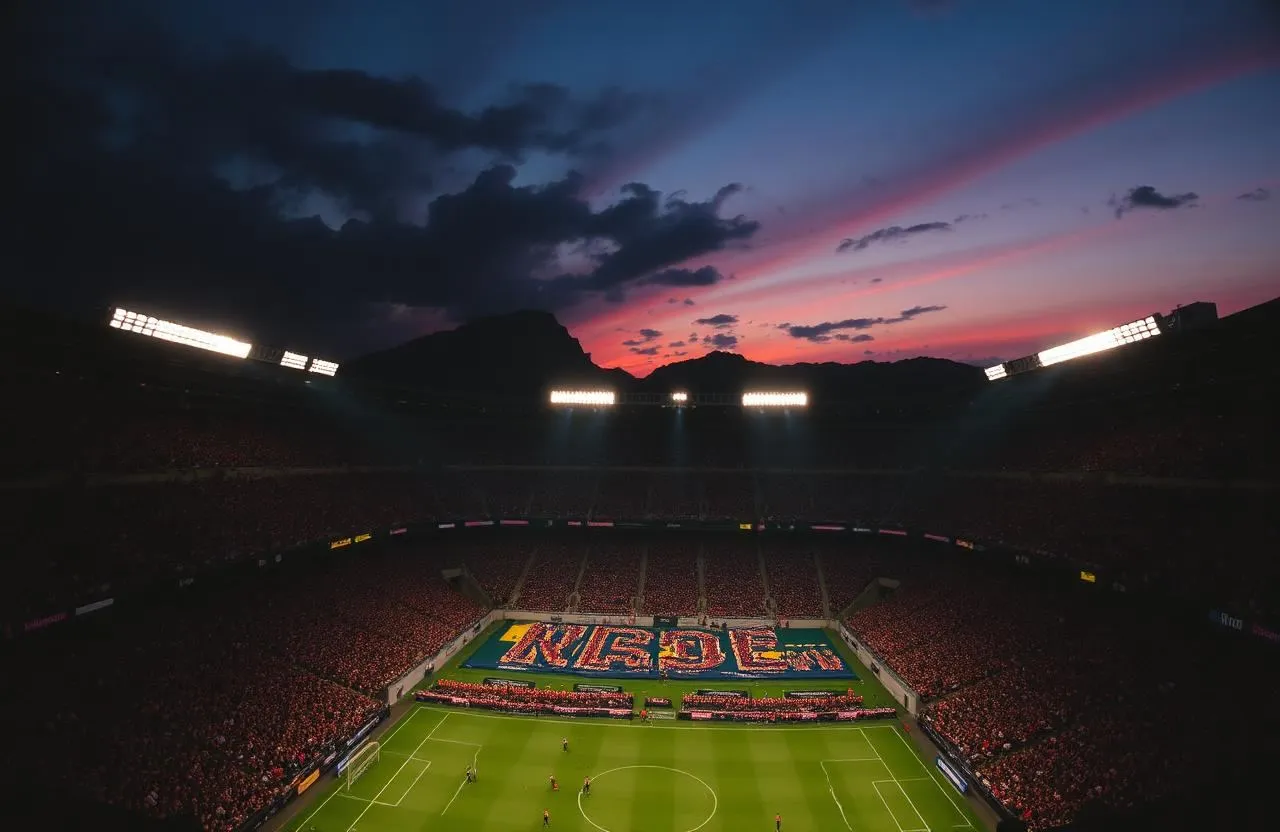
Rio City Hall’s 16 October report estimates that the 27 September Ravens–Cowboys NFL game at Maracanã generated R$462.7 million in total economic impact. The crowd was about 72,800, including fans from 67 countries. The estimate combines direct spending with modeled indirect and induced effects, so it is not a forecast of future hotel prices or visitor numbers.
On this page
The Baltimore Ravens and Dallas Cowboys played Rio’s first NFL regular-season game at Maracanã on 27 September. The number that travelled furthest this week is the City Hall study’s R$462.7 million estimate of the game’s total economic impact. It is a striking figure, but the useful question for a visitor is what sits inside it — and what it cannot tell you about the next event.
The crowd was not just made up of Rio residents: City Hall says fans came from 67 countries and more than a thousand Brazilian municipalities. That makes the report useful for understanding how a major fixture can bring visitors from outside the city. It does not predict hotel rates, crowd management or ticket demand at the next match. For the stadium itself, our Maracanã match and stadium guide covers the practical visitor basics.
At a glance
Game
Baltimore Ravens v Dallas Cowboys, 27 September 2026 at Maracanã
Attendance
About 72,800, according to Rio City Hall’s published study summary
Visitor mix
Fans from 67 countries; 15% of the crowd came from outside Brazil
Total economic impact
R$462.7 million, an estimate combining direct, indirect and induced effects
Direct impact
R$231.8 million; the study estimates the rest through indirect and induced effects
Report published
Rio City Hall released the study summary on 16 October 2026
What Rio’s R$462.7 million estimate counts
Rio City Hall study · checked 17 October 2026
The headline figure includes more than what fans spent
Rio City Hall’s 16 October summary says the NFL Rio Game generated an estimated R$462.7 million in total economic impact. The direct component was R$231.8 million. City Hall describes that as including spending by national and international visitors and local residents who attended, ticket revenue, and spending by fans who watched in bars, restaurants and other businesses.
The remaining R$230.9 million is not another pile of ticket receipts. The study estimates R$125.4 million in indirect effects from suppliers meeting event demand and R$105.5 million in induced effects as income earned through event work circulates into other purchases. The city says the model follows a methodology used in an earlier NFL São Paulo assessment. That makes R$462.7 million a modeled total, rather than a count of cash handed to the city or an independently audited tourism-spending figure.
What it means for your trip: Read R$462.7 million as the study’s estimate of total economic activity associated with one event. It is not a budget payment, a visitor-spending average or a forecast for another match.
Checked against two sources on PlanRio’s 2027 Maracanã event guide →
| Component | Estimate | What the study says it represents |
|---|---|---|
| Direct | R$231.8 million | Fan and resident spending, ticket revenue, and viewing in local businesses |
| Indirect | R$125.4 million | Activity among suppliers preparing for event demand |
| Induced | R$105.5 million | Further spending from income earned through event-related work |
| Total | R$462.7 million | The combined estimate, equivalent to about US$89.8 million in the report |
The direct figure is the closer one to what a visitor might recognise as event-linked spending, but it still pools several kinds of activity and people. The total uses modelled effects beyond that first round. Neither number says what the average visiting fan spent, how much went to accommodation alone, or what an individual neighbourhood earned. Those are different questions, and the summary does not break the result down that way.
Be careful when comparing this total with a sports event in another city. The summary says its method follows a 2024 NFL São Paulo assessment, but comparisons still depend on the definition of impact, the period measured, exchange rates and which spending is included. This is not a reliable way to rank destinations or decide that one match will be worth more to a visitor than another. It is a city-level estimate for one Rio event, published with a particular model and scope.
The crowd came from far beyond Rio
City Hall reports a crowd of about 72,800 at Maracanã. It says 15% came from outside Brazil and that the international fans represented 67 countries. Of the full audience, 30% were residents of Rio city and 55% travelled from other Brazilian municipalities; the remaining 15% were international visitors. Those proportions describe the crowd for this particular game, not the city’s ordinary visitor mix.
For a traveller, the useful point is that a headline stadium event can draw substantial domestic travel as well as international interest. The report says the Brazilian attendees came from more than a thousand municipalities. That helps explain why the event mattered to the city beyond the people who live near the ground, but it still does not tell us how many fans stayed overnight, which districts they chose, or how early they arrived.
A single attendance figure also hides the shape of a visitor’s trip. Some supporters may have come for the game alone; others may have used it as one evening in a longer holiday. If you are planning a future match, use the confirmed fixture and your own trip length to choose an area. Our guide to where to stay near Maracanã compares an event-side room with neighbourhoods that make the rest of Rio easier to enjoy.
It is also worth keeping the labels straight: 15% of this audience was international, but that does not make the other 85% local. City Hall says 30% of the full crowd lived in Rio city and 55% came from other Brazilian municipalities. A visitor reading the study should distinguish foreign tourism from domestic travel; both matter to an event week, and neither share predicts the audience of the next competition.
What the report means for visitors — and what it does not
The report is evidence that one international game can bring a large audience to Maracanã and activity across several parts of Rio’s economy. It is not evidence that every major event will have the same attendance, visitor mix or spending. Ticket availability, the teams involved, the calendar, travel connections, the length of the event week and the local schedule all change the shape of demand.
It also cannot tell a traveller whether a future hotel rate is fair. City Hall’s public summary gives no district-by-district accommodation data, occupancy comparison or ordinary-week baseline. A room price for one date is a live market quote, not a direct consequence you can calculate from R$462.7 million. Compare the same stay dates and cancellation terms across a few areas, and decide whether a higher rate buys a location you will genuinely use.
The same caution applies to transport and crowd levels. This article is not a retrospective service report: the economic summary does not measure how long fans waited for the metro, how the ride-hailing pickup worked or which gate was fastest. For the general network, use our Rio metro guide and city transport guide; for a future event, follow the organiser’s own day-of instructions when they are published.
The event week stretched beyond the stadium
The game was the centrepiece, but it was not the only activity. The NFL’s official Rio page described a week of fan events and city activations from 20 to 27 September, including photo opportunities, live entertainment, official merchandise and special experiences. The game itself was on Sunday 27 September. Those were date-specific NFL events and have finished; a future visit should not assume the same locations, schedule or public access.
That distinction matters in Rio, where the stadium, a fan zone and a street activation can have different entry rules. Some game-day experiences were reserved for ticket holders. The event archive is a useful record of how this week was organised, but it is not a calendar for the next Maracanã fixture. Check the organiser’s fresh announcement and the city’s notices before travelling across town for an activation.
If your visit is about seeing the ground itself rather than attending a game, a stadium tour is a separate daytime product and will have its own current access schedule. It is not a ticket to an NFL or football match. For the broader local context — Flamengo, Fluminense, stadium entry and what to check before a normal match — start with our Maracanã guide.
See the stadium outside an event
A stadium tour is a separate visit, not admission to a match. Check the live date, access and inclusions before you arrange the rest of your day.
Check Maracanã stadium tour datesLinks may earn us a commission at no extra cost to you. This supports PlanRio.
How I would plan the next Maracanã event
The exact routine changes with the organiser, but these are the checks I would make once a future event is confirmed:
1 · Confirm the event
Use the organiser’s date and ticket page
Do not book around a rumoured game, a social-media graphic or a third-party package that cannot show the official fixture and terms.
2 · Choose your base
Match the stay to the whole trip
For one match, keep the hotel where you want to spend your other days and plan the stadium journey. Consider nearby lodging when you have several games, a late finish or a specific access need.
3 · Check access
Use the gate and transport notice for that event
Save the ticket gate, current metro service, meeting point and any event-specific restrictions offline before leaving your hotel.
4 · Keep a buffer
Do not make the match your only plan
Leave time for entry and the journey back. Put a flexible meal or an easy next morning after a late finish instead of booking a tight connection.
For a confirmed event, the Rio events calendar helps place it against other dates in your month, while the transport guide is useful for stitching together the stadium and the rest of the city. Do not treat either as a substitute for the match organiser’s live instructions.
The NFL announced a multi-year commitment to stage at least three regular-season games in Rio over five years, starting with the 2026 game. That is a real reason to keep an eye on future announcements, but it does not by itself set an annual fixture or publish a 2027 game date. When the NFL does announce a future Rio event, the schedule and ticket site are the details to plan from.
The next big Maracanã event has its own planning guide
Rio’s next major international football moment is already on the calendar: Maracanã is scheduled to host nine FIFA Women’s World Cup Brazil 2027 matches, including the opening match and the final. FIFA’s event and ticket information is separate from the NFL’s; the 2026 crowd and economic study do not tell us what World Cup attendance, prices or transport operations will be.
For those fixtures, use our FIFA Women’s World Cup 2027 in Rio guide for confirmed dates, the December draw, official ticket status, accommodation trade-offs and what to re-check on match day. It is kept as the trip-planning page; this Rio Now story is the dated read on what City Hall reported after the NFL game.
Rio is a football city, but a major international event still changes how one particular day works. I would take the useful lesson from September — travelling fans can come from a long way away — and leave all the operational decisions to the next event’s published plan. That keeps the local context without pretending that one report can predict the next match.
Frequently asked questions
How much economic impact did the first NFL game in Rio have?
Rio City Hall’s study summary estimates total economic impact of R$462.7 million for the 27 September 2026 Ravens–Cowboys game at Maracanã. The total includes direct, indirect and induced effects.
How many people attended the NFL game at Maracanã?
Rio City Hall reports a crowd of about 72,800. Its summary says fans came from 67 countries, with 15% of the audience travelling from outside Brazil.
Does R$462.7 million mean tourists spent that much in Rio?
No. The estimate combines R$231.8 million in direct impact with modeled indirect and induced effects. It is not a measure of tourist spending alone or money paid to the city government.
Did the NFL game make Rio hotel prices rise?
The public study summary does not report hotel-rate changes or district-level accommodation data, so it cannot establish that. Compare live rates for your dates and read each property’s cancellation and payment terms.
Will Rio host another NFL game in 2027?
The NFL announced a multi-year commitment for at least three regular-season games in Rio over five years beginning in 2026, but that announcement does not specify a 2027 fixture. Check NFL’s current schedule before planning around another game.
What is the next major football event at Maracanã?
Maracanã is scheduled to host nine FIFA Women’s World Cup Brazil 2027 matches from 24 June to 25 July, including the opening match and final. FIFA’s updated schedule and ticket page are the sources to follow.
Sources
Prices, rules and opening information change. These are the sources behind this article — check them for your own dates before relying on a figure.
- Rio City Hall — NFL Rio Game economic impact study summary ↗
Published 16 October 2026; reports attendance, visitor mix and the direct, indirect and induced impact estimates.
- NFL — Rio Game event information ↗
Official event page for the 27 September game and the 20–27 September fan-event week.
- NFL — Rio to host regular-season games from 2026 ↗
The league’s announcement of a multi-year commitment; it does not publish a 2027 fixture date.
- Rio Economic Observatory — special studies ↗
The municipal economic observatory lists the NFL Rio Game impact study and its English version.
Keep planning
Sports & Fitness in Rio
Browse local guides to sport, football and active days in Rio.
FIFA Women’s World Cup 2027 in Rio
The match dates, official tickets, accommodation and transport checks for Rio’s nine Maracanã fixtures.
Maracanã match and stadium guide
Plan a regular football match or stadium visit with current entry and transport basics.
Where to stay near Maracanã
Compare a stadium-side base with Rio’s beach and central neighbourhoods.
Rio events calendar
See confirmed dates and seasonal event windows across the year.
Rio transport guide
Plan metro and other city journeys around the stadium trip.
More from the Rio Journal
What's Changed in Rio de Janeiro: The Updates That Affect a 2026–27 Trip
Buses stopped taking cash, the Maracanã turnstile reads your face, and the 2027 bloco programme is not final until January. A quarterly digest of the changes that alter how you plan — each one dated and sourced.
Rio Now12 min read
Planning a Second Trip to Rio de Janeiro: Nine Things We'd Do Differently
The second trip is the better one — if you stop rerunning the first. Nine decisions we would make differently, from the neighbourhood you sleep in to the two days you leave completely empty.
Planning Your Trip9 min read