Caipirinha in Rio: Brazil's National Drink, by Locals
Written and reviewed by Lotte — Rio local, founder & editor of PlanRio · How we research · First published · Last reviewed
Quick answer — what is a caipirinha and where do I get a good one?
A caipirinha is Brazil's national cocktail — fresh lime and sugar muddled together, mixed with cachaça (a sugarcane spirit) and poured over ice. In Rio it costs about R$15–22 at a beach kiosk and R$28–40 at a good bar. For the best one, drink it at Academia da Cachaça in Leblon, on the Bar Urca seawall at sunset, or a fruit version at Palaphita Kitch over the Lagoa. Buy where it's busy and you rarely go wrong.
The caipirinha is the one drink every visitor to Rio wants, and the one most likely to be made badly for tourists. Done right it's four ingredients and thirty seconds of muddling; done wrong it's a sugary mess with warm cheap cachaça and not enough lime. This is our working guide to drinking it like a carioca: what it actually is, how it should be built, where we drink ours, the fruit versions worth the extra reais, and the prices you should expect in 2026.
At a glance
| What it is | Brazil's national cocktail: cachaça, lime, sugar, ice |
| Base spirit | Cachaça — distilled from fresh sugarcane juice (38–48% ABV) |
| Typical price (2026) | R$15–22 kiosk · R$18–30 boteco · R$28–55 bar/rooftop |
| Classic ratio | 1 lime · 2 tsp sugar · 50–60 ml cachaça · ice |
| Best classic | Any busy boteco — Jobi, Pavão Azul, Belmonte |
| Best with a view | Bar Urca seawall · Palaphita Kitch (Lagoa) |
| Try this variation | Maracujá (passion fruit) or caju (cashew fruit) |
| How to order | "Uma caipirinha, por favor" — add "de maracujá" for fruit |
Prices are typical 2026 ranges for one caipirinha and vary by venue — always confirm on the menu.
Most popular caipirinha experience
A hands-on caipirinha workshop teaches you to muddle and balance the drink properly — then rolls straight into a samba class and DJs. It's the highest-rated way to actually learn the cocktail (not just drink it), and a great first-night activity before you go bar-hopping on your own.
Check caipirinha workshop datesLinks may earn us a commission at no extra cost to you. This supports PlanRio.
What is a caipirinha, exactly?
A caipirinha (kai-pee-REEN-ya) is made from just four things: cachaça, fresh lime, sugar and ice. There's no juice, no soda, no cream. The name comes loosely from caipira — a countryside person — so it reads as something like "little country drink". It's recognised as a distinctly Brazilian product, and by that definition a real caipirinha must be built on cachaça. Swap the spirit and you've made something else (see the variations below).
The heart of it is cachaça, Brazil's most-produced spirit. Unlike most rum — which is distilled from molasses, a sugar-refining by-product — cachaça is distilled from fresh-pressed sugarcane juice, which gives it a grassier, more vegetal edge. Brazilian law sets it at 38–48% ABV and requires it to be made in Brazil. You'll see two broad styles: branca or prata (unaged, clear, what most caipirinhas use) and ouro or envelhecida (aged in wood, golden, smoother, often sipped neat).
Origin stories vary, but most trace the drink to the sugarcane country of São Paulo state in the early 20th century, with a popular tale that it grew out of a lime-honey-garlic home remedy during the 1918 Spanish-flu winter — the garlic and honey eventually dropped away, the cachaça stayed. However it started, it became the national cocktail and a fixture of every Rio beach, boteco and Carnaval bloco.

How to make the perfect caipirinha
You don't need a cocktail shaker — you need a sturdy glass, a muddler (or the end of a wooden spoon) and good limes. The single biggest mistake home-makers make is muddling too hard and dragging the bitter oils out of the lime skin. Press, don't pulverise.
Classic caipirinha — the carioca method
- Wash a lime, top and tail it, and cut it into 6–8 wedges. Cut out the bitter white core running down the middle.
- Drop the wedges into a sturdy tumbler with 2 teaspoons of sugar and muddle gently until the juice releases — a few firm presses, no grinding.
- Fill the glass with ice (crushed or cubed).
- Pour 50–60 ml of cachaça branca over the top.
- Stir well from the bottom so the sugar and lime lift through the drink. Serve with the stirrer in. Never shake, never top with soda.
Want it smoother? Use an aged cachaça and a touch less sugar. Want it sharper? Add an extra lime wedge, not more sugar.
That ratio — one lime, two teaspoons of sugar, a generous 50–60 ml pour — is why the drink sneaks up on people. It's essentially a double spirit dressed as a soft, sweet cooler. Respect it, especially in the sun.
Where to drink the best caipirinha in Rio
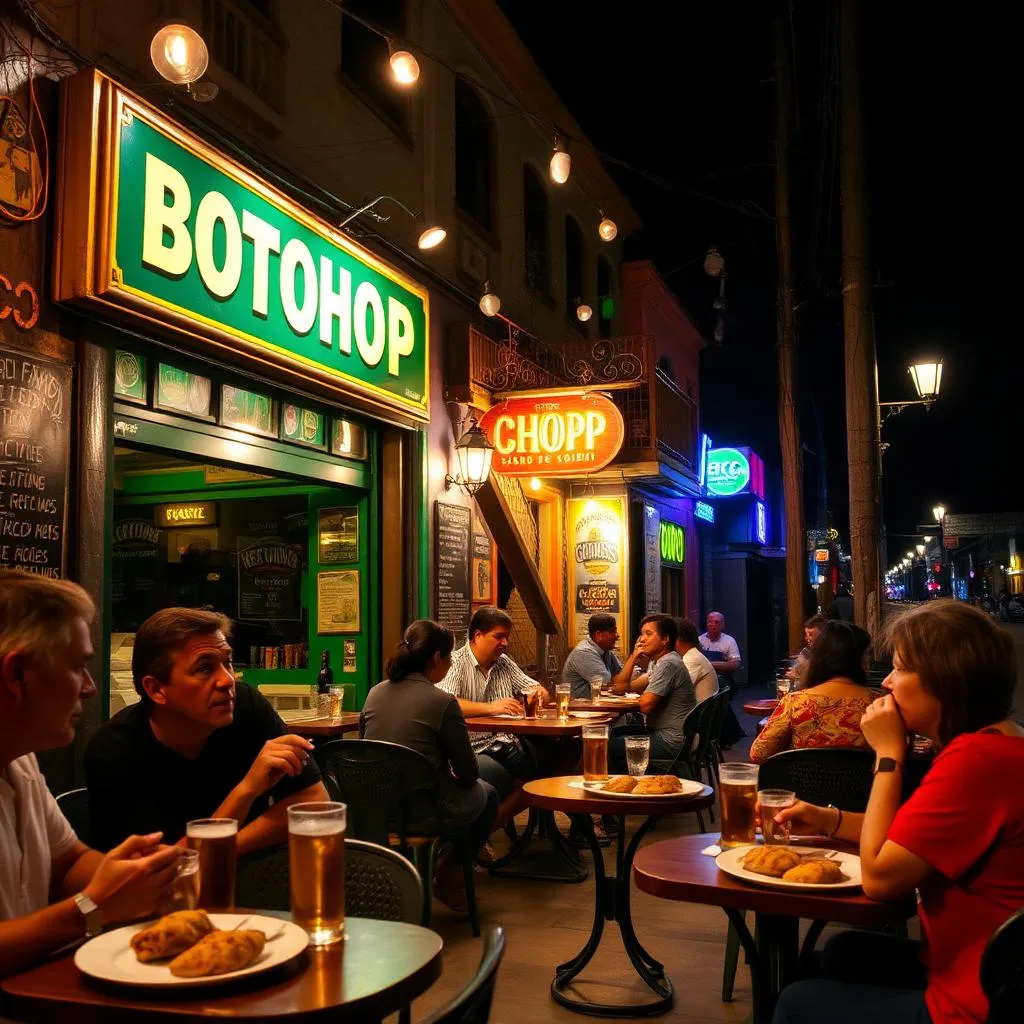
The honest truth: the setting matters as much as the pour. A perfectly balanced caipirinha in an air-conditioned mall bar can't beat a decent one on the Urca seawall at golden hour. Here's where we send friends, from craft cachaçarias to the kiosk on the sand.
1.Academia da Cachaça
R$28–38Cachaçaria · Rua Conde de Bernadotte 26, Leblon
The reference point. Over 100 cachaças behind the bar and a caipirinha list that runs from the classic lime to caju (cashew fruit) and tangerina. Order the caipirinha de cachaça envelhecida (aged) once — it drinks like a different cocktail. Busy, no-frills, worth it.
2.Palaphita Kitch
R$36–52Sunset bar · Av. Epitácio Pessoa, Lagoa (Parque do Cantagalo)
Rustic driftwood lounge on the Lagoa with Cristo lit up across the water. The fruit caipirinhas — kiwi, maracujá, morango — are the whole point here, not the food. Pricey, touristy, and still the best sunset caipirinha in Zona Sul. Go at 5 PM, not 9 PM.
3.Jobi
R$22–30Boteco · Av. Ataulfo de Paiva 1166, Leblon
Open since 1956 and still where Leblon actually drinks. The caipirinha is honest and strong, the chopp (draft) is colder, and nobody rushes you. This is the boteco benchmark — if a place is 'like Jobi', that's a compliment.
4.Bar Urca
R$20–28Seawall boteco · Rua Cândido Gaffrée 205, Urca
You don't drink inside — you buy a caipirinha at the counter and sit on the mureta (seawall) facing the bay with Sugarloaf behind you. The most carioca hour of the whole trip. Cash and Pix; get there before sunset for a spot on the wall.
5.Pavão Azul
R$18–26Boteco · Rua Hilário de Gouveia 71, Copacabana
A tiny, standing-room legend two blocks back from the beach. Order the caipirinha with the empada de camarão (shrimp pie) and the pataniscas de bacalhau. Locals spill onto the pavement — that's the seating plan.
6.Bar Astor
R$36–48Beachfront bar · Av. Vieira Souto 110, Ipanema
The polished option: a proper terrace on the Ipanema seafront and a bar team that measures. Their caipirinha de limão-siciliano (Sicilian lemon) is the upgrade order. Reserve the terrace, not the interior, and come for sunset over the ocean.
7.Bar do Mineiro
R$22–30Boteco · Rua Paschoal Carlos Magno 99, Santa Teresa
Santa Teresa's Saturday-feijoada institution also pours a serious caipirinha and stocks a wall of artisanal cachaças. Pair it with the bolinho de feijão. Cash-friendly, arty crowd, black-and-white photos on every wall.
8.Belmonte
R$18–26Boteco chain · Multiple — Flamengo, Ipanema, Leblon
The reliable everywhere-option. Famous for empadas, but the caipirinha is standard-strong and cheap for what you get. When you're not sure where to go and just want a good, honest one near your hotel, Belmonte is the safe answer.
9.Rio Scenarium
R$32–45Music bar · Rua do Lavradio 20, Lapa
The antiques-warehouse dance hall in Lapa. You're paying for the live samba and the three-storey setting more than the drink, but the fruit caipirinhas keep coming and the floor doesn't empty until 2 AM. Weekend cover charge applies — check the door.
10.Quiosques da orla (beach kiosks)
R$15–22Beach kiosk · Copacabana & Ipanema seafront
The default. Every kiosk on the calçadão pours a caipirinha to order — watch them cut the lime — and you drink it barefoot on the sand. Quality is uneven, so buy where it's busy. A mini-caipirinha plus queijo coalho on a stick is a perfect beach hour.
Do it as a guided crawl
If you'd rather have a local lead the way, a Rio-by-night bar tour built around cachaça tasting, a caipirinha class and live samba is the classic package — it takes the guesswork out of your first night and shows you how a proper one is made before you order on your own.
See Rio caipirinha & samba bar toursCaipirinha variations worth trying
The classic lime caipirinha is the one to master, but Rio's fruit versions (feitas com fruta) are where the fun is — and some fruits, like caju, you simply can't get abroad. A few swap the spirit entirely, which technically makes them a different drink.
Caipiroska (or caipivodka)
Same drink, vodka instead of cachaça. Smoother, less funky — the gateway version for anyone who finds cachaça too raw. Ask for 'caipirinha de vodka'.
Caipiríssima
Made with white rum. Rare in Rio but on cocktail-forward menus. Softer and sweeter than the cachaça original.
Caipisake / sakerinha
Built on sake. Light and dry — big in Rio's Japanese-Brazilian spots and a good hot-afternoon order. Often made with lime and kiwi or lychee.
Maracujá (passion fruit)
The most-ordered fruit version. Tart, tropical, forgiving of cheap cachaça. If you try one flavoured caipirinha in Rio, make it this.
Morango (strawberry)
Muddled fresh strawberries, softer and sweeter. A crowd-pleaser and the safest order for someone new to the drink.
Caju (cashew fruit)
The juicy fruit the cashew nut grows on — you can't buy it abroad, so drink it here. Astringent-sweet and very Brazilian. A cachaçaria speciality.
Kiwi
Sharp, green and photogenic — the reason half of Palaphita's tables order it. More refreshing than sweet.
Caipirinha sem álcool (virgin)
Lime, sugar and ice topped with sparkling water or fruit juice, no spirit. Most botecos will make one if you ask for it 'sem álcool'.
What you'll pay in 2026
| Where | Classic lime | Fruit version | Notes |
|---|---|---|---|
| Beach kiosk | R$15–22 | R$18–28 | Cash/Pix; no service charge |
| Boteco | R$18–30 | R$22–36 | 10% taxa de serviço on the bill |
| Cachaçaria / beach bar | R$28–40 | R$32–48 | Premium and aged cachaças cost more |
| Rooftop / hotel bar | R$40–55 | R$45–65 | You're paying for the view |
Indicative 2026 ranges across Zona Sul and Centro. A 10% service charge is normally added to table bills, not kiosk orders.

How to order a caipirinha like a carioca
- "Uma caipirinha, por favor." — One caipirinha, please. That gets you the classic lime.
- "De maracujá / morango / caju." — Add the fruit: passion fruit / strawberry / cashew fruit.
- "Com vodka." — With vodka, i.e. a caipiroska, if cachaça is too much for you.
- "Menos açúcar, por favor." — Less sugar. The single most useful phrase — the default pour is sweet.
- "Sem álcool." — Without alcohol, for a virgin version.
- "Aceita Pix?" — Do you take Pix? At kiosks and small botecos, Pix or cash beats a card at midnight.
Common mistakes tourists make
- Treating it like a soft drink. A caipirinha is roughly a double spirit. Two in the midday sun will end your beach day — alternate with water and coconut water.
- Ordering it at a fine-dining restaurant. Great caipirinhas live at botecos, kiosks and cachaçarias. At a high-end restaurant, order wine and save the caipirinha for the bar afterwards.
- Buying from an empty kiosk. Quality on the sand is uneven. Go where it's busy — high turnover means fresh limes and clean ice.
- Not saying "menos açúcar". Many tourist-facing spots over-sugar. Ask for less and the balance improves instantly.
- Assuming "caipiroska" is the same drink. If you want the real thing, it must be cachaça. Vodka makes a caipiroska; rum makes a caipiríssima.
- Leaving the drink unattended. On the beach and in crowded Lapa, drink-spiking and phone theft are the real risks — keep the glass and your phone with you. See our nightlife safety guide.
Local expert tips
- At a cachaçaria, ask the bartender to build your caipirinha with an aged cachaça you tasted neat — it's a completely different, smoother drink and worth the few extra reais.
- The best-value caipirinha with a view isn't a rooftop — it's a boteco caipirinha carried to the Bar Urca seawall at sunset.
- Try caju (cashew fruit) and cajá at least once — these are Brazilian fruits you won't find back home.
- Struggling with the cachaça edge? A maracujá (passion fruit) caipirinha hides it best while still tasting properly Brazilian.
- Buy a bottle of decent cachaça to take home — it's a far better souvenir than a fridge magnet. See our souvenir shopping guide.
- Pair caipirinhas with salty fried petiscos, not sweet food — the drink is already sweet.
Learn to make it — and a whole Brazilian menu
A hands-on Rio cooking class covers the perfect caipirinha alongside moqueca and brigadeiros in a local's kitchen — the best way to take the recipe home with the technique that actually matters.
See Brazilian cooking class datesFrequently asked questions
What is a caipirinha?
A caipirinha is Brazil's national cocktail: fresh lime and sugar muddled together, mixed with cachaça (a spirit distilled from fresh sugarcane juice) and poured over ice. It has just four ingredients and no cream, juice or soda in its classic form. The name means roughly 'little country drink', and it is protected as a Brazilian product — a true caipirinha must be made with cachaça, not vodka or rum.
How much does a caipirinha cost in Rio in 2026?
A caipirinha runs about R$15–22 at a beach kiosk, R$18–30 at a neighbourhood boteco, R$28–40 at a cachaçaria or beachfront bar, and R$40–55 at rooftop and hotel bars. Fruit versions (passion fruit, strawberry, kiwi) usually cost R$3–8 more than the classic lime. A 10% taxa de serviço (service charge) is normally added to a table bill but not to a kiosk order.
What is the difference between cachaça and rum?
Both come from sugarcane, but cachaça is distilled from fresh-pressed sugarcane juice, while most rum is made from molasses (a by-product of refining sugar). That gives cachaça a grassier, more vegetal character. By Brazilian law cachaça must be bottled at 38–48% ABV and produced in Brazil, which is why a 'caipirinha' made with rum is technically a caipiríssima.
Is a caipirinha strong?
Yes — more than it tastes. A standard caipirinha uses 50–60 ml of cachaça at around 40% ABV with very little to dilute it, so it is roughly as strong as a double spirit. The sugar and lime hide the alcohol, and beach and kiosk pours are often generous. Two caipirinhas in the sun hit harder than most visitors expect; pace them with water.
Which cachaça should I ask for in my caipirinha?
For a classic caipirinha, an unaged white cachaça (cachaça branca or prata) is traditional — dependable labels include Ypióca, Velho Barreiro, Sagatiba and Leblon. For sipping or a smoother caipirinha, ask for a cachaça envelhecida (aged, gold-coloured) such as Magnífica or Novo Fogo. At a cachaçaria, tell the bartender whether you want it 'mais suave' (smoother) or 'mais forte' (stronger) and let them pick.
Where is the best caipirinha in Rio?
For range and craft, Academia da Cachaça in Leblon is the benchmark, with over 100 cachaças and every fruit variation. For atmosphere, drink one on the Bar Urca seawall at sunset or a fruit caipirinha at Palaphita Kitch overlooking the Lagoa. For the everyday classic, any busy boteco — Jobi, Pavão Azul, Belmonte — pours an honest one. Buy where it's crowded and you rarely go wrong.
Can I get a caipirinha without alcohol?
Yes. Ask for a caipirinha 'sem álcool' (without alcohol) and most botecos and kiosks will muddle lime and sugar over ice and top it with sparkling water or fruit juice. Fruit versions like strawberry or passion fruit make the best virgin caipirinhas. It is a good non-alcoholic option in the heat and safe to order for children.
How do I make a caipirinha at home?
Cut one lime into wedges, remove the bitter white pith core, add two teaspoons of sugar and muddle gently in a sturdy glass until the juice releases. Fill with ice, pour 50–60 ml of cachaça, and stir well from the bottom. Do not shake, do not add soda. The whole drink is lime, sugar, cachaça and ice — the technique is in the muddling and the stir.
Is it safe to drink caipirinhas from a beach kiosk in Rio?
Generally yes at busy, established kiosks (quiosques) where you can watch the drink being made and the ice looks clean. Rio tap water is treated, and reputable kiosks use filtered water and packaged ice. To be cautious, buy where locals are drinking, keep your card and phone secured while your hands are full, and never leave a drink unattended — the risk on the beach is theft and drink-spiking far more than the water.
What food goes with a caipirinha?
Salty, fried petiscos (bar snacks): bolinho de bacalhau (cod fritters), pastéis, queijo coalho (grilled cheese on a stick), and empadas de camarão (shrimp pies). On the beach, the classic pairing is a caipirinha with matte com limão and cheese-on-a-stick. The drink's sweet-sour punch is built to cut through fried, salty food.