Is a Rio Food Tour Worth It?
Quick answer · verdict — 8 / 10
Worth it for first-timers who want context with every bite — skip it if you already know your way around a boteco menu.
Best for: First-time visitors, curious eaters who want history and flavour in one package, solo travellers who'd rather not eat alone. Do it on day 1 or 2 — then eat on your own for the rest of the trip.
Rio food tour at a glance
| Verdict | 8 / 10 — the fastest culinary education in Rio, but not cheap |
| Price (2026) | R$250–400 per person (group) · R$400–600 (private) |
| Duration | 3–4 hours on foot across 2–4 km |
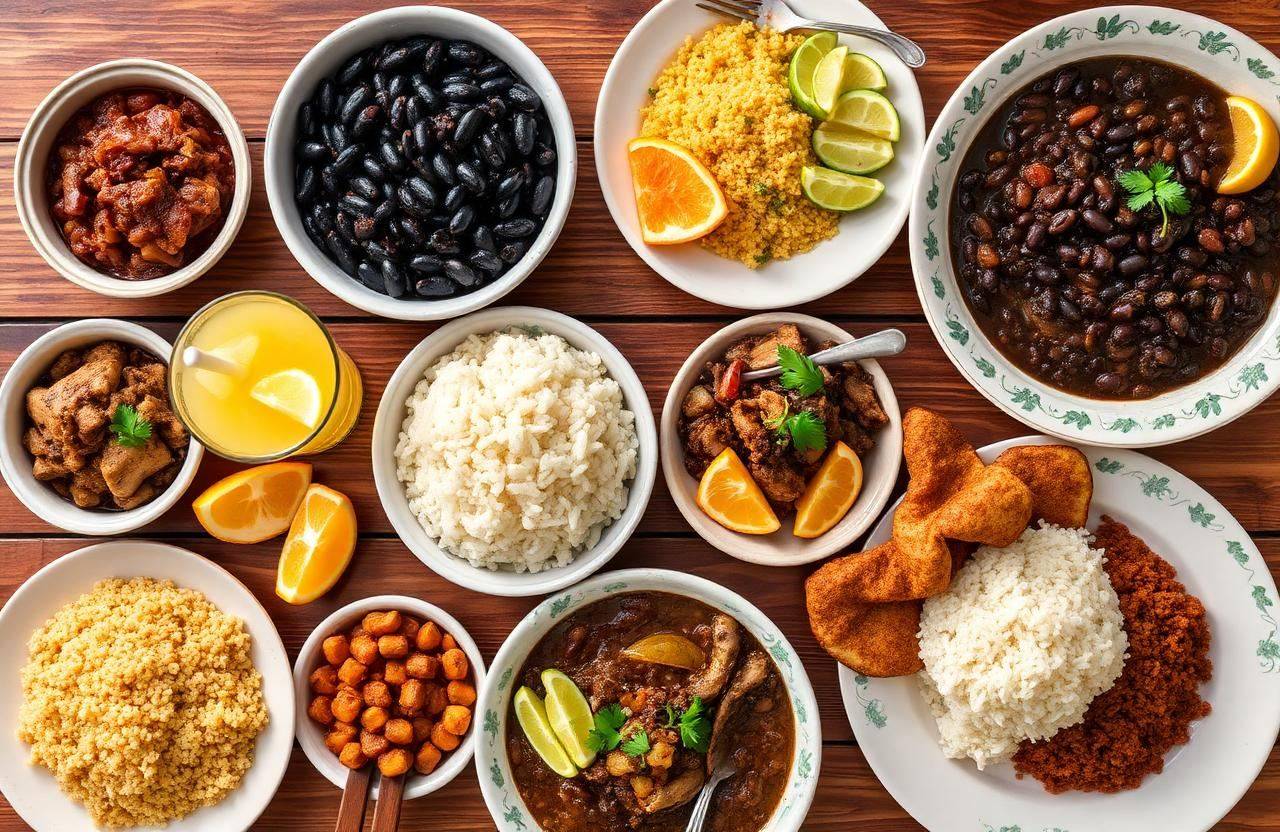
| Tastings | 15+ dishes: feijoada, coxinha, pão de queijo, pastel, açaí, cachaça & more |
| Neighbourhoods | Centro, Saúde, Gamboa — places tourists rarely find alone |
| Group size | Max 12 people · morning departures (09:00–10:00) |
| Dietary options | Vegetarian swaps available · vegan/GF limited — flag at booking |
The honest verdict
Worth it if…
- 15+ tastings across 3–4 neighbourhoods tourists rarely find alone — Centro, Saúde, Gamboa
- Local guide explains the African, Portuguese and indigenous roots behind feijoada, coxinha, pão de queijo, pastel and more
- Small groups (max 12) mean you actually talk to the cooks and stallholders
- Includes cachaça and caipirinha tasting — basically lunch and drinks for R$250–400
Skip it if…
- R$250–400 per person — a self-guided per-kilo lunch in the same neighbourhoods runs R$30–40
- Portions at each stop are tasting-sized — big eaters may still want lunch afterwards
- 3–4 hours on foot in Rio's heat: summer tours (Dec–Mar) can be sweaty, even with morning starts
- Some operators rush the final two stops to stay on schedule — the cachaça tasting suffers most
When a Rio food tour is NOT worth it
Skip this experience when its main compromises match your trip more closely than its strengths. In practice, these are the situations where we would choose a different use of your Rio time:
- R$250–400 per person — a self-guided per-kilo lunch in the same neighbourhoods runs R$30–40
- Portions at each stop are tasting-sized — big eaters may still want lunch afterwards
- 3–4 hours on foot in Rio's heat: summer tours (Dec–Mar) can be sweaty, even with morning starts
- Some operators rush the final two stops to stay on schedule — the cachaça tasting suffers most
The honest pros
- 15+ tastings across 3–4 neighbourhoods tourists rarely find alone — Centro, Saúde, Gamboa
- Local guide explains the African, Portuguese and indigenous roots behind feijoada, coxinha, pão de queijo, pastel and more
- Small groups (max 12) mean you actually talk to the cooks and stallholders
- Includes cachaça and caipirinha tasting — basically lunch and drinks for R$250–400
- Dietary flags handled in advance: vegetarian swaps, gluten alerts, nut-free routes
- Morning departures dodge the midday heat; you're done by early afternoon with the rest of the day free
The honest cons
- R$250–400 per person — a self-guided per-kilo lunch in the same neighbourhoods runs R$30–40
- Portions at each stop are tasting-sized — big eaters may still want lunch afterwards
- 3–4 hours on foot in Rio's heat: summer tours (Dec–Mar) can be sweaty, even with morning starts
- Some operators rush the final two stops to stay on schedule — the cachaça tasting suffers most
- Centro streets are grimy and loud — this is the real city, not a postcard
- Vegetarian and vegan options exist but are noticeably thinner than the meat-heavy default route
Book a guided food tour
A guided food crawl with 15 traditional Brazilian tastings across Centro, Saúde and Gamboa — the neighbourhoods tourists miss.
Check tour availability on GetYourGuideWho should skip the food tour
- Adventurous eaters who already know their botecos. If you'll happily walk into a no-English hole-in-the-wall in Saúde, you don't need a guide.
- Tight-budget travellers. A self-guided per-kilo lunch in Centro costs R$30–40 — a tenth of the tour price. Read our street food guide and DIY it.
- Anyone with complex dietary restrictions. Vegetarian swaps exist but vegan, coeliac and severe-allergy guests get a noticeably thinner experience.
Alternatives worth considering
Restaurants and food hub
Browse every PlanRio food guide by dish, occasion and neighbourhood.
Best restaurants in Ipanema
Where to eat after the tour — Zona Sul's top tables.
Best restaurants in Copacabana
Tourist-friendly but genuinely good spots on the beachfront strip.
Best restaurants in Rio
City-wide picks across every neighbourhood and budget.
Rio street food guide
DIY the tour route — what to order, where to find it, what to pay.
Still deciding?
Book with free cancellation — lock in a morning slot before they fill, cancel up to 24h before if plans change.
Check tour availability on GetYourGuideFAQ — Rio food tours
Is a Rio food tour worth it?+
Yes, 8/10. You'll taste 15+ dishes across neighbourhoods most tourists never visit, with a local guide who explains the history behind every bite. It's the fastest way to get a culinary education in Rio without defaulting to the tourist-trap restaurants on the Copacabana waterfront. Skip it only if you're an adventurous eater who already knows your botecos, or if R$250–400 stretches your daily budget.
How much does a Rio food tour cost in 2026?+
R$250–400 per person depending on group size and operator. That includes all tastings (typically 15+), water, and a cachaça/caipirinha tasting. Tips for the guide are not included — R$20–30 is customary. For context, a self-guided per-kilo lunch in Centro costs R$30–40, but you miss the stories, the hidden spots, and the cachaça.
What food do you try on a Rio food tour?+
A typical tour covers feijoada (black-bean and pork stew), coxinha (shredded-chicken croquette), pão de queijo (cheese bread), pastel (deep-fried pastry), açaí (frozen berry bowl), matte com limão (iced maté tea), cachaça and caipirinha. Most tours also include tapioca crêpes, quindim (coconut-egg custard), and a stop at a per-kilo buffet.
How long does a Rio food tour take?+
3–4 hours on foot, covering 2–4 km across Centro, Saúde and sometimes Gamboa. Morning departures (09:00–10:00) are best — you dodge the worst heat and finish by early afternoon. Wear comfortable shoes; cobblestones in Centro are uneven.
Are Rio food tours suitable for vegetarians?+
Most operators offer vegetarian substitutions — pão de queijo, pastel de queijo, açaí, tapioca and side dishes replace the meat-heavy stops. Let them know at booking. Vegan options are thinner and depend on the operator — ask specifically. Gluten-sensitive travellers should flag this too; pastel and coxinha are deep-fried in wheat flour.
Which neighbourhoods does the tour cover?+
Most tours start in Centro (near Praça XV or Cinelândia), walk through Saúde (the old port district), and sometimes reach Gamboa. These are working-class, historic neighbourhoods with century-old bakeries and hole-in-the-wall botecos — exactly the places tourists skip when they stay in Copacabana. See our Centro restaurant guide for more.
Is it safe to walk around Centro on a food tour?+
Yes, during the day and with a guide. Centro is busy, commercial and a bit grimy — not dangerous but not polished either. Your guide knows which streets to use and which to skip. Don't wear flashy jewellery, keep your phone in a front pocket, and you'll be fine. After the tour ends (early afternoon), Uber back to Zona Sul rather than wandering Centro alone after dark.
Should I do a food tour or eat on my own?+
Do the tour on day 1 or 2 — then eat on your own for the rest of the trip. The tour teaches you what to order, what's in season, and how a per-kilo buffet works. After that, you'll order with confidence at any boteco. Self-guided eating is cheaper (R$30–40 per meal vs R$250–400 for the tour), but you'll likely default to tourist-safe restaurants without the initial education.
Can I book a private food tour?+
Yes — most operators offer private tours for 2–6 people at R$400–600 per person. Worth it if you have dietary restrictions the group tour can't fully accommodate, or if you want to linger longer at certain stops. For solo travellers or couples, the group tour is better value and more social.
What should I wear on a Rio food tour?+
Comfortable walking shoes (Centro's cobblestones punish sandals), light breathable clothing, sunscreen and a hat for the outdoor stretches. Bring a small crossbody bag — not a backpack — and keep valuables in front pockets. A water bottle is essential December–March; some tours provide water but not enough for 4 hours in 35°C heat.
This page contains affiliate links. If you book through them, PlanRio earns a small commission at no extra cost to you — it helps keep this guide free and independent.
Keep planning
Rio de Janeiro Travel Questions
Answers to the most common travel questions about Rio de Janeiro: safety, visas, costs, language, water, transport, and more.
Cachaça Tastings & Distillery Tours in Rio (2026 Guide)
Best cachaça tastings in Rio: Academia da Cachaça, Lapa bar crawls, Serrinha and Paraty distillery day trips, prices, and how to bring bottles home.
Is a Rio Helicopter Tour Worth It? 2026 Verdict, Prices & Routes
Local's 8/10 verdict on Rio helicopter tours — 2026 prices, best route, best time, safety, Helisight vs Helirio, cheaper alternatives.
Is a Rio Boat Tour Worth It? 2026 Verdict (8/10)
Local's 8/10 verdict on Rio boat tours — sunset sailboat cruise, Guanabara Bay views, drinks, seasickness risk, 2026 prices and alternatives.
Rio de Janeiro for First Timers
The complete first-time Rio orientation: planning timeline, neighbourhood geography, bookings, weather flexibility, arrival, money and safety.