Rio Restaurant Week: A Guide to Rio Food Festivals
Written and reviewed by Lotte — Rio local, founder & editor of PlanRio · How we research · First published · Last reviewed
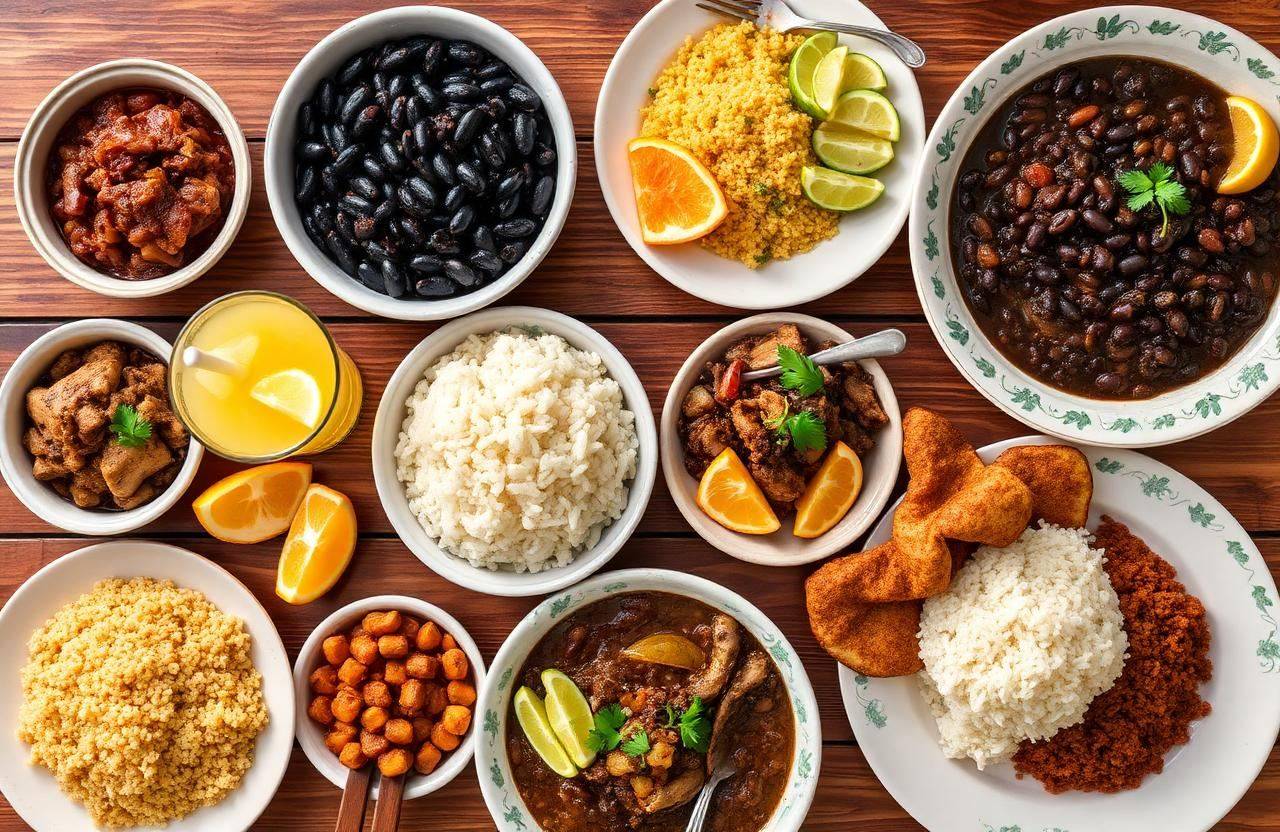
Illustrative food image; it does not document a specific event, restaurant or current menu.
Quick answer
Rio’s food calendar includes ticketed festivals such as Rio Gastronomia, fixed-menu restaurant promotions such as Rio Restaurant Week, and bar-focused contests such as Comida di Buteco. Dates and menus change by edition. In 2026, the Restaurant Week menu range was R$59.90–R$149, Rio Gastronomia ran from 17 September to 4 October, and Comida di Buteco’s main contest ran 10 April–10 May. Use those as past examples, then confirm the next edition’s official calendar and each restaurant’s menu before planning a trip.
At a glance
Restaurant Week
A participating restaurant offers a set menu for a fixed price; editions are time-limited.
Rio Gastronomia
A ticketed festival combining restaurants, producers, chef activities and entertainment.
Comida di Buteco
A citywide boteco contest with a defined voting period and participating bars.
2026 Restaurant Week
The 31st edition ran 21 May–21 June; menus were R$59.90–R$149, with some R$39.90 kids menus.
2026 Rio Gastronomia
The 16th edition ran 17 September–4 October at Jockey Club Brasileiro.
2026 Comida di Buteco
The main contest voting period was 10 April–10 May in Rio.
Budget
A set-menu price may exclude drinks, service, transport or an event ticket.
Next edition
Treat old dates as historical and check the current organiser calendar before booking travel.
Rio has more than one kind of food festival
“Rio food festival” can mean a large ticketed venue with restaurant stands and live programming, a month-long restaurant promotion across the city, a competition among neighbourhood botecos or a one-weekend market event. Those formats produce very different days and budgets. The first decision is what you want to eat and how you want to move: one event site with several stalls, a seated menu reservation at a specific restaurant, or a self-guided route between bars.
The best-known examples in the city’s recent calendar include Rio Gastronomia, Rio Restaurant Week and Comida di Buteco. Rio Gastronomia brings food, music, chef activities, producers and family programming together at one venue. Restaurant Week is a participating-restaurant programme with a fixed menu and set price by category. Comida di Buteco is a contest format: botecos create a dish and customers vote during a published period. A smaller pop-up may be seasonal or tied to a shopping centre, hotel or neighbourhood, with its own ticket and rules.
These examples do not share one annual date or a single “festival season.” Rio Gastronomia’s 2026 dates were in September and October; the 31st Restaurant Week took place in May and June; Comida di Buteco’s main 2026 voting period was in April and May. Those are historical dates, not promises for 2027. A future trip should be planned against the current edition announcement, not the dates of the previous year or a generic month guide.
Rio Restaurant Week: a set menu is not automatically a bargain
Restaurant Week works by inviting participating restaurants to offer a special menu, often with an entry, main course and dessert at a fixed price tier. It can be a useful way to try a restaurant you have been curious about without ordering from the full menu. The 31st Rio edition in 2026 ran from 21 May to 21 June. Riotur and Visit.Rio reported four menu categories with prices ranging from R$59.90 to R$149, while some participating houses offered a children’s menu at R$39.90. Those amounts describe the 2026 edition and should not be reused as a future price list.
Read the actual menu before reserving. Restaurants decide which dishes to include, and two venues in the same price tier can offer very different portions, ingredients and choices. Some menus are available only at lunch or dinner, on certain days or in limited quantities. Some restaurants require a reservation or have a small number of festival tables. The event label does not guarantee that every branch, meal period or special request participates.
A fixed menu is most worthwhile when the dishes appeal to you and the total bill is genuinely lower than the meal you would order otherwise. Add drinks, coffee, service, extra sides and transport to the comparison. If you already wanted a specific restaurant and its Restaurant Week menu matches your tastes, the promotion may simplify your decision. If the menu is a poor fit or the venue is across town, the headline price is not a reason by itself to go.
Rio Gastronomia: a ticketed festival day at the Jockey
Rio Gastronomia is the city’s large-format food festival. In 2026, the 16th edition ran from 17 September to 4 October at Jockey Club Brasileiro in Gávea, across three weekends. Riotur and SindRio describe restaurants, historical bars, producer stalls, chef activities, music and family programming. A visitor may spend time tasting several small dishes, attending a class or show, browsing the producer fair, or simply enjoying the event atmosphere. It is a broader outing than a restaurant reservation.
Budget separately for admission and food. A festival ticket is not the same as an all-inclusive meal, and not every demonstration or activity necessarily comes with the base entry. Menus, portion sizes, payment systems and prices may differ by stall. The 2026 ticket prices and promotions changed by date, lot and partner; we do not reproduce them as a current rate. Check the official ticketing page and the event’s current terms for the next edition, including whether children need a ticket and which activities require a separate booking.
The venue location matters. Jockey Club Brasileiro is in Gávea, not Centro or Copacabana, so allow time for arrival, queues, security and the trip home. Check the event’s current entrance, transit advice, parking restrictions, bag policy and return transport. A rideshare pickup may be slower during a popular show. If you are visiting with children, confirm whether a kids area is open on your chosen date, whether it is supervised and what the age rules are. Do not rely on an old festival map for a new edition.
Comida di Buteco: follow the contest, not just one viral dish
Comida di Buteco is a contest built around local botecos. In 2026, its published voting period for Rio was 10 April to 10 May. Participating bars create a contest petisco, and customers visit, taste and vote under the rules for that edition. The appeal is as much about discovering a neighbourhood bar as it is about eating one particular dish. The 2026 organizer calendar and event coverage describe the contest as a multi-city programme, with each local circuit operating within its published dates.
The contest is not a single central festival ground. A route can involve different neighbourhoods and businesses, and the official participant list may change between editions. Check the current year’s list, dish description, address, opening schedule and voting instructions. A bar may be busy or run out of a popular item. Do not assume the establishment’s regular menu is identical to the contest dish, or that a post from last year refers to a current participant.
This format can be a fun way to explore small bars if you choose a manageable cluster and plan safe transport. Check whether the contest dish is intended to share, whether there are seats and whether the bar accepts cards. A petisco may contain ingredients that are not obvious from a social photo. Ask the staff about allergens and dietary restrictions, and do not treat a contest score as a guarantee of suitability. If you plan to sample several venues, pace the evening and respect each bar’s space and neighbours.
A food festival calendar is a planning tool, not a travel date guarantee
Major events often repeat, but their exact dates, location, restaurants and partners can move. Rio Gastronomia’s 2026 edition extended across three weekends in September and October; the 2025 edition was a separate programme. Restaurant Week can take place more than once a year in different Brazilian cities, while Rio’s local edition has its own numbering. Comida di Buteco publishes a voting period and city circuit that may differ in future editions. Never infer next year’s date by adding 365 days to this year’s calendar.
Before buying a flight or hotel around a festival, verify the announcement through the organiser and an independent current Rio event source. Confirm that the city, edition number, venue, dates and public hours all match. If one source shows a future date and another still shows the previous edition, treat the new date as provisional until the organisers confirm it. Save an official event page or ticket confirmation; search snippets can display stale details long after a programme ends.
If the event is central to your trip, wait for ticket sales and the participant list if your dates are flexible. If you have already booked travel, choose a festival as a bonus rather than the only reason for the trip until its dates are formally announced. Restaurants can change participation or close a particular menu earlier than the overall programme. A good plan includes regular Rio dining options in case the festival is full, cancelled, moved or simply not to your taste.
How to decide whether an event is worth planning around
Ask what you would gain that is difficult to reproduce on an ordinary evening. Rio Gastronomia’s value may be the combination of many stalls, producer products, chef demonstrations and a show in one venue. Restaurant Week’s value may be a particular set menu at a restaurant you already wanted to try. Comida di Buteco’s value may be the chance to sample a local contest dish and explore a boteco you would not otherwise visit. Each event solves a different dining problem.
Compare the event experience with the same money and time spent independently. For a ticketed festival, estimate admission, food, drinks, transport and how long you want to stay. For Restaurant Week, compare its menu with the restaurant’s regular offer and include extras. For a bar contest, compare the petisco price and transport between stops with a single evening in one neighbourhood. The price alone cannot tell you whether it is worth it; the location, atmosphere, music and crowd are part of the product.
Consider who is travelling with you. A family may care about a kids area and space to sit; a solo diner may prefer a restaurant reservation; a wheelchair user may need access details for each site; a food-focused traveller may accept a longer route. Ask about seating, sound, shade, toilets, allergens and accessible entry before you commit. “Family friendly” on a poster does not answer each practical question.
Reservations, queues and event-day logistics
For Restaurant Week, book directly with the participating restaurant using its current contact channel or the organiser’s verified reservation process. Confirm that the menu is available on your date and meal period, how many people the booking covers and whether the restaurant needs a deposit. Ask about late arrival, cancellation and whether the fixed menu can accommodate a dietary restriction. Do not assume that a restaurant listed by a tourism article still participates after the edition ends.
For a ticketed festival, purchase through the event’s official ticketing page. Check the ticket date and time, entry gate, transfer policy, refund terms, re-entry rules, prohibited items and whether a ticket includes access to all stages. If a promoter or influencer has a discount code, confirm that it is accepted on the official checkout. Avoid bank-transfer requests or “VIP” offers from someone who cannot show a current organiser affiliation.
For a citywide contest, use the official current map or list to group venues geographically. Check each bar’s opening hours independently and leave room for queues. A limited batch of contest dishes can sell out, so call if the item is a must. Plan a return route and keep the group together. If a venue is full, move to another official participant or enjoy the neighbourhood; do not pressure staff to create a table or serve a dish that is gone.
Prices: look beyond the menu figure
Restaurant Week’s fixed menu price is one component of the bill. Drinks, bottled water, coffee, extra dishes, service charge and transport may be additional. Check whether the listed price is for lunch or dinner and whether tax or service is included. Prices can differ by category and edition. The 2026 range of R$59.90 to R$149 is a record of that past edition, not a promise that an upcoming menu will cost the same.
At Rio Gastronomia, a ticket can unlock the site while food and drinks are sold separately. The event’s ticket price may vary by date, lot, half-price eligibility, partner discount or solidarity category. Add the number of people, transit and the cost of the amount you realistically expect to eat. Do not compare the entrance ticket to a restaurant’s full meal price. If a show or tasting requires an additional reservation, factor that in separately.
Comida di Buteco is a contest across independent bars; each venue’s dish pricing and other menu items can differ. A contest dish is often designed for the event and may not be a full dinner. Ask the bar about portion size and current price, then decide whether you want a snack, a meal or a multi-stop tasting. If the total bill matters, set a budget before arriving and avoid relying on a fixed price from a previous edition or an old social-media post.
Dietary needs, allergies and accessibility
A festival menu is not automatically easy to adapt. Participating restaurants may prepare a fixed menu in limited quantities, and food stalls may share kitchen equipment. Contact the restaurant or event operator before booking if you have a severe allergy, coeliac disease or a dietary requirement that needs controlled preparation. Ask about ingredients, cross-contact and whether staff can give a reliable answer. If they cannot, do not assume a dish is safe based on its name.
For vegetarian, vegan, halal, kosher or other dietary needs, read each participating menu rather than relying on a general festival label. A menu may include broth, gelatin, fish sauce, animal fat or alcohol in a preparation. Ask whether substitutions are possible and whether they change the fixed price. For a large event, carry a simple Portuguese phrase describing the restriction and contact the organiser about outside food or medication rules before arriving.
Accessibility information should also be venue-specific. Ask about step-free entry, accessible toilets, seating, queue arrangements, service animals, quiet areas and public transport. The answer may differ between the festival grounds and an individual restaurant. A page saying “accessible event” does not guarantee the route from the station, the stall layout or a particular table. Keep the written reply and give yourself extra time to check in.
Use festival food to explore Rio, not to replace every meal
A festival can be an excellent way to sample a range of dishes, but the menu is curated by organisers and participating businesses. It will not show every part of Rio’s everyday food life. A restaurant promotion is not a definitive list of the city’s best restaurants, and a contest dish is not a complete portrait of boteco culture. Keep time in your itinerary for markets, bakeries, cafés and neighbourhood restaurants that operate outside the event.
If your trip falls between festival dates, there are still ways to explore Brazilian food without chasing an event calendar. A guided food crawl can help with unfamiliar dishes and ordering, while a self-guided market visit can be more flexible. These are not festival tickets and do not reproduce the programme’s special menus. Check the live itinerary, language, meeting point, duration, food inclusions and allergy limits before choosing an experience. A tour is an alternative way to taste the city, not a substitute for a specific festival reservation.
A strong food itinerary pairs one special event with the local context around it. Learn the names of dishes, ask how a bar or restaurant fits into the neighbourhood and leave room for an unexpected recommendation. If you do not drink alcohol, ask whether the menu includes non-alcoholic options. If an event is crowded, have a nearby alternative in mind. The best meal of a Rio trip might be inside the festival, or it might be a simple lunch discovered on the way there.
A practical event-planning checklist
First, confirm the edition and dates from the organiser’s current page. Then verify the venue, entrance, public hours, ticket or reservation rules and participant list. For a festival ticket, confirm what is included. For a fixed menu, check meal period, menu, price and extras. For a boteco contest, check the dish, address, open hours and voting mechanics. Save confirmations and contact numbers offline in case mobile signal is slow at a crowded event.
Second, plan the route and spending. Estimate the journey from your accommodation, decide on public transport or a ride, choose a return option and set a food budget. If the venue spans several neighbourhoods, cluster stops rather than zigzagging across town. Ask about queue management, water, toilets, seating and weather exposure. Carry only what the event permits and keep valuables secure in a crowded setting.
Third, make a flexible backup. A restaurant can cancel its participation, a ticketed festival can change programming and a contest dish can sell out. Keep one local restaurant, café or market as an alternative. If weather is severe, check the organiser’s notice and do not continue simply because you have already paid for transport. Your trip should remain enjoyable even if the event does not work out exactly as advertised.
Book the practical essentials first
Choose a flexible booking, confirm service details directly with the provider, and keep every confirmation accessible offline.
Links may earn us a commission at no extra cost to you. This supports PlanRio.
Common mistakes tourists make
- Using last year’s dates or prices as if they were confirmed for the next Rio festival edition.
- Assuming a Restaurant Week menu price includes drinks, service, transport or every dish on the regular menu.
- Treating a Rio Gastronomia admission ticket as an all-inclusive meal or reserved seat at a show.
- Showing up at a Comida di Buteco participant from an old list without checking this year’s contest page.
- Planning a citywide bar contest route without checking opening hours, queues and return transport.
- Assuming a fixed festival menu can safely accommodate an allergy or dietary restriction without asking.
- Buying an event ticket through an unverified seller because it promises a discount or special access.
Local expert tips
- Use official organiser pages for current dates and menus, then cross-check a current Rio tourism or local event source.
- Treat 2026 dates and prices in this guide as historical examples, not future guarantees.
- For Restaurant Week, compare the actual menu, meal period and extras with the restaurant’s regular offer.
- For Rio Gastronomia, budget admission and food separately and check whether any activity needs its own booking.
- For Comida di Buteco, cluster current participants by neighbourhood and call ahead for a must-try dish.
- Ask each venue about allergy handling, accessibility, seating and current reservation rules.
- Keep a nearby dining backup in case a menu sells out or an event changes its schedule.
- If your dates miss a festival, try an ordinary food crawl or neighbourhood meal instead of chasing stale listings.
Frequently asked questions
When is Rio Restaurant Week?+
Rio Restaurant Week dates change by edition. The 31st Rio edition ran from 21 May to 21 June 2026. Check the organiser’s current calendar for a future edition before planning travel.
How much did Rio Restaurant Week cost in 2026?+
The 31st edition’s menus ranged from R$59.90 to R$149 across four categories, with some participating restaurants offering a R$39.90 children’s menu. These are historical 2026 prices; confirm current menus and prices with the organiser and restaurant.
What is Rio Gastronomia?+
Rio Gastronomia is a ticketed food festival that combines restaurants, producer stalls, chef activities, music and other programming. In 2026 it ran 17 September to 4 October at Jockey Club Brasileiro; future dates and inclusions can change.
When was Comida di Buteco in Rio in 2026?+
The organiser’s 2026 calendar listed the Rio voting period from 10 April to 10 May. It is a contest across participating bars rather than one central festival venue. Check the next edition’s official list and dates.
Is Rio Restaurant Week worth it?+
It can be worthwhile if the participating restaurant’s actual set menu appeals to you and the total bill works after drinks, service and transport. Compare the menu with the restaurant’s regular offer instead of judging only by the fixed price.
Does Rio Gastronomia include food in the ticket price?+
Do not assume so. Admission and food may be separate, and special activities may have their own rules. Check the current ticket description and event terms before buying.
Can I attend Rio food festivals with food allergies?+
Possibly, but menus and kitchens vary. Contact the restaurant or organiser before booking and ask about ingredients and cross-contact. If staff cannot give a reliable answer, do not assume the dish is safe.
Where is Rio Gastronomia held?+
The 2026 edition was held at Jockey Club Brasileiro in Gávea. Confirm the next edition’s official venue and entrance before booking transport, since future locations can change.
What is the difference between Restaurant Week and Rio Gastronomia?+
Restaurant Week is a time-limited set-menu programme at participating restaurants around the city. Rio Gastronomia is a ticketed festival at a central venue with food stalls and broader entertainment programming.
What can I do if my Rio trip misses the festival dates?+
Choose a regular restaurant, market visit or guided food experience instead. These do not include festival menus, so check current itineraries and book directly through the verified provider if you choose a tour.
Sources and image credit
Details and access can change. Use these venue, operator and public-information sources to recheck key details before visiting.
- Riotur: 2026 Rio Restaurant Week ↗
Official city tourism source for the 31st edition’s dates, categories and 2026 menu price range.
- Visit.Rio: 2026 Rio Restaurant Week ↗
Independent Rio tourism source cross-checking the 2026 edition, dates and category prices.
- Riotur: Rio Gastronomia 2026 ↗
Official city event listing for the September–October 2026 edition.
- SindRio: Rio Gastronomia 2026 dates and location ↗
Restaurant and hospitality association cross-check of the 2026 dates and Jockey Club venue.
- Comida di Buteco: Official 2026 calendar ↗
Organizer’s voting calendar for Rio and other participating cities.
- Webedia Brazil: 2026 Comida di Buteco dates ↗
Independent partner announcement cross-checking the 10 April–10 May Rio contest period.
- Restaurant Week: Live organiser calendar ↗
Use the organiser’s current page to check future city editions, menus and event dates.
Keep planning
Where to Eat in Rio: Guide Index
Browse Rio restaurant and food guides by dish, occasion and neighbourhood, plus practical tipping and meal-time advice.
Bar do David
David Bispo's Chapéu Mangueira boteco: seafood-led petiscos, a national Comida di Buteco title in 2016 and a fifth-place Rio result in 2026.
Rio Events Calendar by Month: 2027 Dates & Festivals
Find Rio events month by month, with confirmed 2027 Carnaval, Rio Open and marathon dates, seasonal festival windows and official links to verify changes.
Festival do Rio 2026 Guide: Tickets, Programme & Cinemas
Festival do Rio 2026 is underway through 11 October: live programme, regular and package ticket prices, free screenings, cinema locations and remaining-week planning.
Money, Cards & PIX in Rio
Best cards for Brazil, how PIX works, safe ATMs, currency exchange, and how to avoid fees.