Rio Grocery Shopping Guide: Supermarkets, Markets & Self-Catering
Written and reviewed by Lotte — Rio local, founder & editor of PlanRio · How we research · First published · Last reviewed
Quick answer
For supermarket basics, check which Guanabara, Zona Sul or Mundial branch is nearest your exact lodging; each chain’s official store locator is more reliable than searching by brand alone. Use neighborhood produce markets for fruit and vegetables, and buy only what your apartment can store and prepare. Bring or buy reusable bags, check package labels in Portuguese, and confirm payment methods before you reach the checkout.
At a glance
Find a branch
Use the supermarket’s official locator and check the exact service address.
Produce
Open-air feiras and neighborhood produce shops are separate from full supermarkets.
Payment
Brazilian reais are the local currency; foreign cards may work but are not guaranteed at every till.
Stay type
Confirm your apartment actually has a fridge, cookware and utensils before planning meals.
Start with the nearest real store, not the best-known chain
Rio supermarket shopping is neighborhood-specific. A chain can have many locations across the city, but the nearest branch to your apartment may be a different size, sit behind a busy avenue or serve a different part of the neighborhood than its name suggests. Before walking out, use the store’s official locator, confirm the address and check the map route from your building entrance. Search results often use a broad district pin that is too imprecise for a grocery run.
Guanabara, Zona Sul and Mundial are useful names to check when you need a full grocery shop, but they do not offer the same branch pattern or atmosphere. A larger store is practical for water, breakfast basics and pantry goods; a smaller neighborhood shop can be faster for milk, fruit or a missing ingredient. Compare the route, opening information and actual shopping list rather than assuming a chain is uniformly cheaper or better stocked.
This page is about buying groceries during a visitor stay, especially in a furnished apartment. It is not a citywide cost table or a ranking of supermarkets. Prices and assortments move too quickly to make a durable promise. Use the locators below for the current branch, then build your basket around how many days you have, the kitchen equipment you can use and whether you want to cook or simply assemble breakfast and snacks.
Which store type fits your shopping list?
A supermarket is the easiest single stop for bottled water, dairy, eggs, bread, rice, beans, snacks, cleaning basics and packaged food. A produce shop or feira is often a more focused stop for fruit and vegetables. A padaria covers bread, coffee and quick prepared items, while a pharmacy or convenience store may help with a late missing item at a higher price. You do not need to treat every food purchase as one large weekly shop.
For a short stay, buy a few breakfasts, snacks, fruit and drinking water rather than a full pantry. For a longer apartment stay, shop for only the meals you realistically want to prepare. Large packs can be awkward in a small fridge, and a whole bunch of herbs or several litres of milk may become waste if you leave the next day. Check storage space and the number of people in the apartment first.
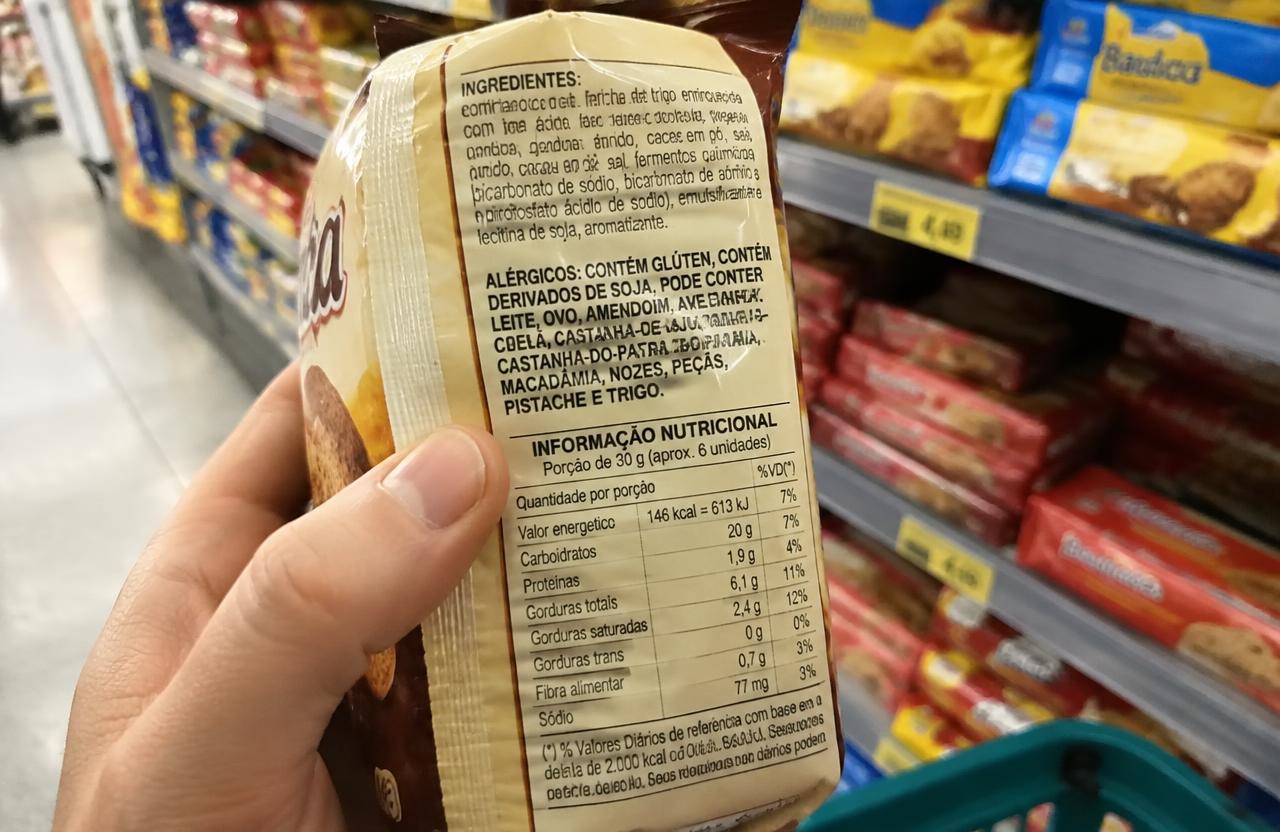
If you have a dietary need, packaged food gives you a label to inspect but does not automatically guarantee safety. Brazilian allergen labels use Portuguese terms, and shared production or handling can still matter. Read the full ingredient and warning panel, not just the front-of-pack claim. PlanRio’s allergy guide covers Brazilian label rules and useful Portuguese phrases for asking a restaurant or shop for help.
Use feiras and produce shops for fresh food
A feira livre is an open-air street market that sells produce and other everyday goods. Its location and weekday vary by neighborhood, so ask your host or check a current municipal listing rather than planning around a generic ‘Rio market day.’ Produce stalls can be a pleasant way to buy a few pieces of fruit without filling a supermarket basket. Bring a tote, keep small purchases together and ask whether the price is per kilo or per item.
Fruit names may be unfamiliar even when the fruit is easy to recognize. Pointing to the item is fine; ask ‘Quanto custa?’ for the price and ‘Pode escolher?’ if you want to choose the pieces yourself. If buying by weight, confirm the unit before the stallholder bags your order. Carry produce carefully in warm weather and wash it before eating, especially when you are self-catering without a full kitchen sink setup.
A feira is not a guaranteed bargain, and the choice changes with season and location. Buy what you can eat soon rather than loading up because the display is colorful. For someone staying only two nights, a supermarket fruit counter or a nearby produce shop may be the more convenient choice. Use the market as a local shopping experience when the route and opening day fit the rest of your plans.
A small-apartment shopping list that will actually get used
Before your first shop, take inventory: refrigerator size, freezer space, cooking surface, kettle, pans, knives, plates, glasses and any basics like oil or salt. Listings use ‘kitchen’ broadly, and some studios have only a microwave or a two-burner cooktop. Ask the host what is included if the answer matters. A recipe plan that depends on an oven or blender is frustrating when the apartment has neither.
A practical first basket might include breakfast ingredients, fruit, water, one easy lunch component, snacks and a few cooking basics only if you will use them repeatedly. Choose ingredients that work in more than one meal: bread can become toast or a sandwich; yogurt and fruit cover breakfast or a snack; rice and beans can support a simple dinner if your accommodation has the equipment. Avoid buying an entire spice shelf for a short visit.
Think about waste and food safety before buying perishables. Rio’s heat makes unrefrigerated groceries vulnerable during a long walk or ride. Go to the supermarket near your return to the apartment, carry cold products in an insulated bag if the trip is long, and refrigerate them promptly. Do not assume a mini-fridge can safely store a week of groceries or leftovers for a large group.
Brazilian labels, units and what to ask
Most packaged foods show the product name, ingredients, allergen statement and nutrition panel in Portuguese. Useful words include leite (milk), trigo (wheat), ovos (eggs), soja (soy), amendoim (peanut), castanhas (tree nuts) and crustáceos (crustaceans). Read the entire label and look for cross-contact language such as ‘pode conter’ (may contain). A translation app can help, but it may miss a warning or confuse two similar terms.
Produce and deli counters may price items by kilo. Ask ‘É por quilo?’ before choosing a portion and look for the price label near the display. At a bakery, an item may be sold by unit or weight. Confirm the basis before it is placed in a bag. If the checkout total surprises you, ask for the receipt and compare the item names and quantities rather than guessing which product cost more.
If you need a particular brand, baby product, gluten-free item or plant-based alternative, check the specific branch or use the retailer’s online catalogue if available. Stock differs between locations. Do not travel across town based on a brand’s citywide inventory page without confirming the branch has the item. For a serious medical requirement, bring enough of a necessary product for the early part of the trip while you locate a dependable local supply.
Paying at the supermarket
The local currency is the Brazilian real. International credit and debit cards are widely accepted in Brazil, but a particular terminal, issuer or store can still decline a transaction. Ask whether your card is accepted before a large shop if you need certainty, and carry a backup payment method. Check your bank’s foreign transaction fees and card controls before travel rather than discovering a block at the register.
Pix is Brazil’s instant payment system and is common with local businesses, but visitors should not assume they can send a Pix from a foreign card. It generally depends on access to a participating account or payment product. Do not accept a stranger’s QR code or transfer to a personal account without understanding the charge. A supermarket checkout should be straightforward: ask which card methods are accepted and verify the total before paying.
At self-checkout or a busy till, keep the receipt until you leave the store. Bring a reusable shopping bag or ask whether bags are available and what they cost. If the cashier asks ‘CPF na nota?’, they are asking whether to attach a Brazilian tax identification number to the receipt. A visitor who does not have one can say ‘Não tenho CPF’ (I don’t have a CPF); do not invent a number.
Getting groceries to an apartment
If you are ordering groceries for delivery, put the full address and apartment details in the format the app requests. Include building name, street number, block or tower, unit, entry instructions and a working phone number. Ask the host whether the rider can enter the building or should hand the bags to reception. A map pin at the front gate may still leave the courier unable to reach the apartment door.
For an arrival-day shop, check the delivery window before relying on it. Grocery substitutions, unavailable products and delivery fees can change the final order. If you need a specific breakfast item, buy it locally after check-in or choose an accepted substitution in the app. Keep chilled and frozen groceries for a later order once you know the apartment’s refrigerator and access procedure.
A hotel or apartment with a proper kitchen can turn simple supermarket ingredients into a flexible meal plan. PlanRio’s apartment hotel picks are curated Booking.com stays with kitchen or self-catering suitability information, but amenities can vary by exact unit. Open the property details and confirm cookware, fridge and cooking facilities before choosing a stay around grocery shopping.
Make the shop part of the neighborhood, not a separate expedition
Grocery runs work best when paired with the day’s route. Shop after arriving in the neighborhood, on the way back from a beach or attraction, or near the apartment when you are already out. Avoid carrying a heavy basket through a sightseeing day. If the store is uphill, the sidewalk is crowded or the weather is hot, a small delivery or a nearer branch may be worth the fee.
Ask the accommodation host which local supermarket, produce shop or feira they actually use and what day the market is nearby. This can reveal a convenient branch that does not rank highly in English-language searches. Confirm the address yourself and check the route before leaving. A host’s preferred store is a local recommendation, not a guarantee that it carries your specific product or accepts your preferred payment.
Keep the basket modest and flexible. Buy a few familiar essentials, then add one local ingredient you know how to use. That gives you the comfort of a simple meal without turning a Rio visit into repeated supermarket trips. If your plan changes, shelf-stable items can travel home or be left for the host only if they are unopened and welcome; do not leave perishable food behind.
Stay somewhere groceries are useful
If you plan to prepare breakfasts or simple meals, start with PlanRio’s hand-picked apartment stays. Check the exact property’s current kitchen equipment and grocery delivery access before booking.
Dates optional. Set guests and rooms on Booking.com.
Check what your room rate includes
- Breakfast, taxes and any extra fees
- Room type, guest count and bed setup
- Cancellation deadline and when payment is due
Confirm these on Booking.com for the rate you choose.
Injoy Lofts Ipanema
Best for: Estancias independientes que buscan la flexibilidad de un apartamento.
Know before booking: Confirma limpieza, acceso, servicios incluidos y reglas de cancelación en el anuncio vigente.
Check Injoy Lofts Ipanema availabilityCopanema Apartments - Gomes Carneiro
Best for: Longer stays between Copacabana and Ipanema
Know before booking: Confirm reception, key collection and building-access rules before arrival.
Check Copanema Apartments - Gomes Carneiro availabilityCharming Studio One Block from Ipanema Beach
Best for: Couples or solo travellers wanting a compact self-catering base
Know before booking: Confirm reception, key collection and building-access rules before arrival.
Check Charming Studio One Block from Ipanema Beach availabilityLinks may earn us a commission at no extra cost to you. Commission does not influence which stays we recommend.
Common mistakes tourists make
- Choosing a chain by brand name without checking the nearest branch address.
- Assuming every apartment listing includes a full kitchen or a large refrigerator.
- Buying a week of perishables for a short stay and leaving them unused.
- Treating Pix as a payment option every foreign visitor can use.
- Inventing a CPF when a checkout asks whether you want it on the receipt.
- Reading only the front of an allergen-sensitive package.
- Walking a long distance with frozen or chilled groceries in hot weather.
Local expert tips
- Use the official Guanabara, Zona Sul or Mundial locator to find the exact branch near your building.
- Ask the host which day and street the local feira uses before planning a market visit.
- Take a photo of the apartment kitchen before your first shop so you know what equipment is missing.
- Ask ‘É por quilo?’ at produce and deli counters before choosing a portion.
- Say ‘Não tenho CPF’ if asked for a Brazilian tax number for a receipt.
- Buy breakfast and snacks first; wait to understand the kitchen before buying meal ingredients.
- For a self-catering stay, compare PlanRio’s apartment picks and verify the exact unit amenities with the property.
Frequently asked questions
Which supermarkets are best for tourists in Rio?+
Guanabara, Zona Sul and Mundial are useful chains to check, but the best choice is the branch nearest your accommodation with the stock and hours you need. Use each retailer’s official locator rather than relying on a generic map result.
Can I use an international credit card at Rio supermarkets?+
Cards are widely accepted in Brazil, but acceptance depends on the specific store terminal and your issuer. Carry a backup method, check any foreign fees and confirm the store accepts your card if a declined payment would be a problem.
Can tourists use Pix in Brazil?+
Do not assume you can. Pix is Brazil’s instant payment system, but using it generally requires access to a participating account or product. Check your payment provider before relying on it and do not invent a local account detail.
What is a feira in Rio?+
A feira livre is an open-air street market selling produce and other goods. Its schedule and location vary by neighborhood, so ask locally or check current municipal information before going.
How do I find a supermarket near my Rio apartment?+
Use the official store locator for a chain such as Guanabara, Zona Sul or Mundial, then map the walking route from the building entrance. Check the exact address, branch services and current hours.
What does CPF na nota mean?+
It means ‘CPF on the receipt’: the cashier is asking whether you want a Brazilian tax identification number included. If you do not have one, say ‘Não tenho CPF’; do not make one up.
Are supermarket labels in English in Brazil?+
Most packaged-food ingredient and allergen information is in Portuguese. Read the full label and warnings, use a careful translation aid if needed, and contact the manufacturer or choose another product if an allergy answer remains unclear.
Can I order groceries to an apartment in Rio?+
Delivery may be available from nearby stores, depending on the exact address and time. Add the building, tower, unit, entry instructions and a reachable phone, and ask the host how couriers should hand over the order.
Sources and image credit
Details and access can change. Use these venue, operator and public-information sources to recheck key details before visiting.
Keep planning
Rio Restaurants & Food Index
Balance grocery meals with local restaurant choices.
Apartments & Longer Stays in Rio
Compare neighborhood bases and self-catering details.
Where to Stay in Rio
Choose the neighborhood that makes everyday errands easier.
Food Delivery in Rio
Order groceries or meals with a complete delivery address.
Money, Cards and Pix in Brazil
Understand local currency, cards and payment options.