Rio de Janeiro Photography Guide
Rio is the photographer's city — Cristo above, Sugarloaf rising from the bay, beach mosaics under afternoon light, favelas climbing the morros, samba blurs at midnight. But the city also has steep camera-theft odds, complicated drone rules, and a few angles that look 10x better at 6 a.m. than at noon.
This is the working 2026 guide: when to shoot what, the drone rules nobody explains, where to rent gear, and the safety playbook that keeps a R$30,000 setup intact.
Quick answer: the 6 must-shoot angles
- Cristo from Mirante Dona Marta — late afternoon, statue backlit by setting sun.
- Sugarloaf at sunset — from the upper Urca cable car platform or Praia Vermelha.
- Pedra do Telégrafo — sunrise, the famous "hanging off the cliff" optical illusion.
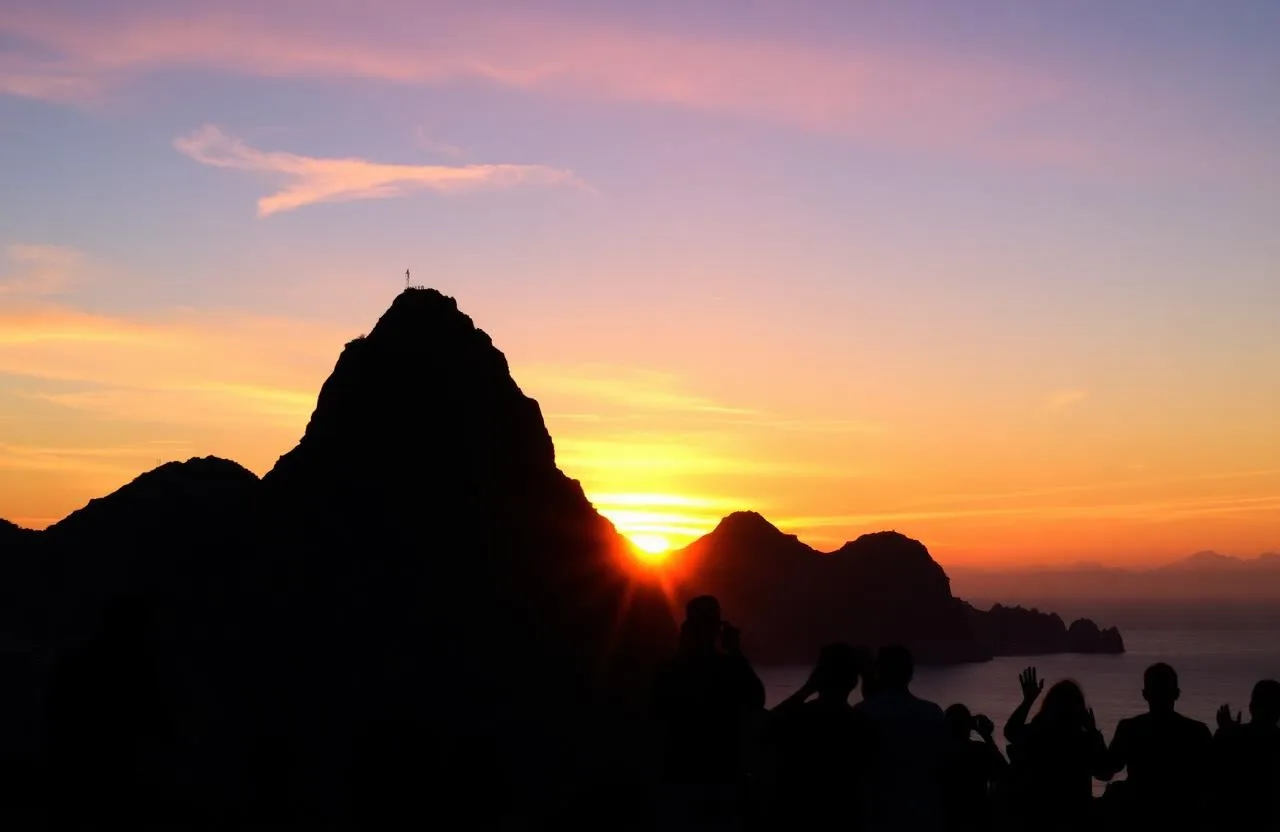
- Arpoador stone — sunset, the locals' applause when the sun drops.
- Vista Chinesa — morning, the postcard view down Ipanema with Dois Irmãos.
- Escadaria Selarón — early morning before tourists arrive (7:30–9:00).
Golden hour timing (set your alarm)
Rio sits near the Tropic of Capricorn — fast sunrises, fast sunsets. Golden hour is shorter than you expect: 25 minutes summer, 35 minutes winter.
- Summer (Dec–Mar): sunrise 05:30; sunset 18:50.
- Winter (Jun–Aug): sunrise 06:30; sunset 17:30.
- Cristo: arrive by 15:30 in winter, 16:30 in summer for best light.
- Sugarloaf: take the cable car up 90 min before sunset — sunset side is the second peak.
- Beaches: sunrise gives empty sand and pink sky; sunset gives silhouettes.
Drone rules — what's legal in 2026
Brazil's drone regulator is ANAC (the FAA equivalent). Every drone over 250g must be registered on the SISANT system — free, online, 5 minutes. Every flight above 30m altitude or near people requires a SARPAS flight authorization (also free, requires 48h notice).
Permanent no-fly zones:
- Cristo Redentor and surrounding Tijuca Park (federal park rules).
- All military bases (Forte de Copacabana, Forte do Leme, Forte São João Urca).
- Within 9 km of GIG and SDU airports — covers most of Centro and the bay.
- Sambódromo and all stadiums during events.
- Above prison and police facilities.
Where you can fly: most of Barra da Tijuca's open beaches, Recreio, Prainha, Grumari, Itaipu, and the open ocean stretches. Always under 120m altitude, line-of-sight, daylight only, never over crowds.
For sunrise drone shots of Cristo from a legal distance, Mirante do Pasmado in Botafogo is the workaround — far enough from the statue, legally clear.
Camera safety in Rio
The honest truth: opportunistic theft of cameras is real. Cariocas with R$5,000 setups carry them in Decathlon backpacks and shoot from the hip. Follow their lead.
- Use an unmarked backpack — not a Lowepro or Peak Design exterior.
- Strap should be plain (gaffer-tape branded straps).
- Shoot, store, walk. Don't dangle a camera between shots in Centro or Lapa.
- Avoid camera-out on buses, the metro at rush hour, and Lapa after 22:00.
- Travel insurance with camera coverage is worth the R$150 — World Nomads and SafetyWing both cover Brazil.
Pair with our safety guide and scams guide.
Renting gear in Rio
Better than flying with a kit you can't afford to lose. The two reliable shops:
- Rio Foto Aluguel (Copacabana) — Sony A7 IV, Canon R6, DJI Mini 4 Pro, premium lenses. R$200–400/day.
- Camera Rio (Ipanema) — similar inventory, monthly rates available. WhatsApp booking.
Both require a credit card deposit (R$3,000–8,000 hold) and proof of accommodation. Pickup/dropoff at your hotel is usually free in the South Zone.
The 12-shot Rio bucket list
- Cristo Redentor — full statue, sunset side.
- Sugarloaf cable car ascending against blue sky.
- Arpoador rock at golden hour with crowd silhouettes.
- Selarón steps — empty, 7:30 a.m.
- Pedra do Telégrafo cliff illusion — sunrise.
- Ipanema beach mosaic sidewalk pattern at dawn.
- Bondinho de Santa Teresa crossing the Arcos da Lapa.
- Lagoa Rodrigo de Freitas reflecting Cristo.
- Vista Chinesa frame of Ipanema + Dois Irmãos.
- Museum of Tomorrow's curved roof from the plaza.
- Favela rooftops at golden hour (Vidigal viewpoint).
- Maracanã at full capacity, derby night.
Each shot links naturally to a fuller guide — see our Instagram spots guide, sunset spots and sunrise spots.
Local insider tips
- Book Cristo and Sugarloaf timed entries on the official sites — line-skipping saves 90 min.
- Rainy days are the best for Centro architecture shots — wet cobblestones, dramatic light.
- The cable car windows are double-glazed; bring a rubber lens hood to kill reflections.
- For favela shots: only with a community-led tour. Never sneak photos. See favela tours guide.
- Helicopter tours (R$450–950) are the only way to get the postcard "Cristo + Sugarloaf in one frame" — see our helicopter & boat tours.
When you want the shot but not the logistics
Two specific cases where paying beats improvising: the aerial views that need authorised airspace, which a visitor cannot get cleared for in a fortnight, and a guided photo session if you want to be in the frame rather than behind it. Confirm the location, the licence and whether you receive the raw files.
Links may earn us a commission at no extra cost to you. This supports PlanRio.
Related guides
- Best Instagram Spots in Rio
- Best Sunset Spots
- Best Sunrise Spots
- Helicopter & Boat Tours
- Free Walking Tours
FAQ
Are drones legal in Rio de Janeiro?
Yes, with rules. You must register with ANAC (anac.gov.br/SARPAS) and respect no-fly zones over Cristo Redentor, the Sambódromo, all military bases, and within 30m of people. Drones under 250g (DJI Mini line) have lighter requirements but still need SARPAS approval for flights above 30m altitude.
What's the best time of day to photograph Rio?
Golden hour at sunrise (5:30–6:30 in summer; 6:00–7:00 in winter) and golden hour at sunset (17:00–18:30 winter; 18:30–19:30 summer). For Cristo Redentor, late afternoon backlights the statue beautifully. For Sugarloaf, sunset from Mirante Dona Marta is unbeatable.
Is it safe to bring a DSLR or mirrorless camera to Rio?
Yes, in the right places. Ipanema/Leblon beachfront, Cristo, Sugarloaf, Botanical Garden, Lagoa — fine. Centro on weekends, Lapa at night, crowded buses — keep it in a discreet bag. Use a non-camera-looking backpack; avoid Canon/Sony branded straps. Insurance is worth it.
Where can I rent a camera or lens in Rio?
Rio Foto Aluguel and Camera Rio (both in Copacabana/Ipanema) rent Sony, Canon and DJI gear day-rate (R$200–400/day for a body, R$150–300 for premium lenses). 24h advance booking on WhatsApp; deposit on credit card.
Do I need a permit to photograph at Rio's icons?
Personal photos: no. Commercial shoots (paid models, branded content, weddings) require permits from each site — R$2,500+ for Cristo Redentor, R$1,800+ for Pão de Açúcar. The Tijuca Park requires a separate ICMBio permit. Wedding photographers in Rio handle all of this; budget R$8,000+ for a half-day icon-tour shoot.
Plan your shoot day
Pair sunrise at Pedra do Telégrafo with afternoon Cristo and sunset at Arpoador — Rio's perfect photographer's loop.
→ Rio Itineraries