Sítio Roberto Burle Marx: Visitor Guide to the UNESCO Garden
Written and reviewed by Lotte — Rio local, founder & editor of PlanRio · How we research · First published · Last reviewed
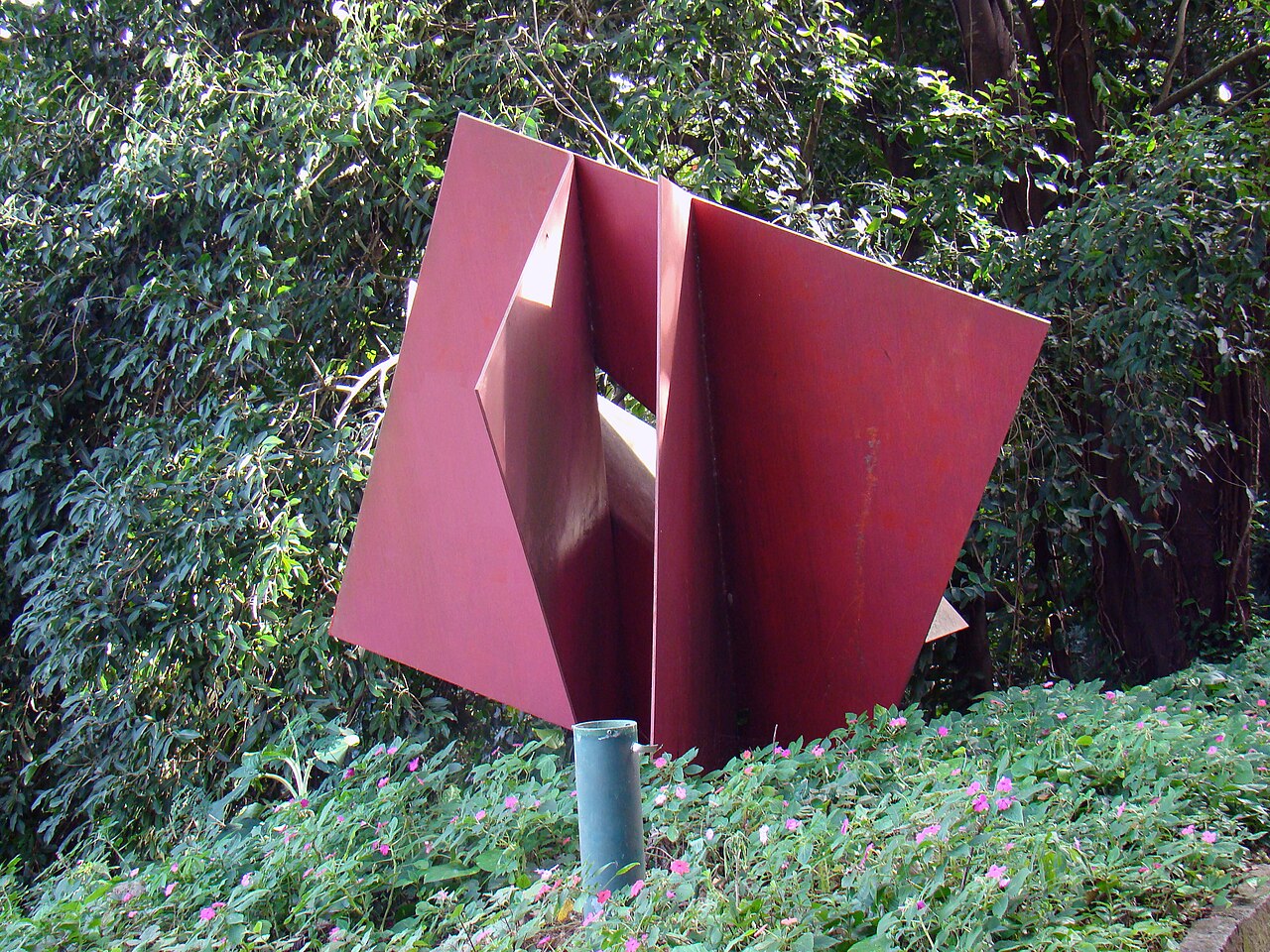
Illustrative Rio garden photograph from Parque da Catacumba; it does not show Sítio Roberto Burle Marx.
Quick answer
Sítio Roberto Burle Marx is the landscape architect's former home and garden in Barra de Guaratiba, inscribed on UNESCO's World Heritage List in 2021. Visits are by advance booking, Tuesday to Saturday at 09:30 or 13:30, and cost R$10 in cash (half price for students and visitors over 60; free for children up to five). The guided walk lasts about 90 minutes and covers 1.8 km.
Book a visit on the official reservation systemAt a glance
What it is
Burle Marx's own home, plant collection and experimental garden — now a federal museum run by IPHAN.
UNESCO
Inscribed on the World Heritage List on 27 August 2021, the first modern tropical garden to be listed.
Address
Estrada Roberto Burle Marx 2019, Barra de Guaratiba, Rio de Janeiro, CEP 23020-255.
Visit times
Tuesday to Saturday at 09:30 and 13:30 only, excluding public holidays. Two slots a day.
Booking
Compulsory, in advance, through the site's online reservation system. Walk-ups are not admitted.
Ticket
R$10, cash only; R$5 for students with ID and visitors over 60. Children up to five enter free.
Duration
About 1h30 on foot over 1.8 km, rising 45 m; every visit is mediated by an educator.
What you see
The gardens and nurseries, the casa-sede (Roberto's house) and its rooms, and the art collection inside.
Scale
40.53 hectares, with more than 3,500 species of tropical and subtropical plants.
Getting there
The site is in Barra de Guaratiba. Public transport requires transfers; check the official route guidance and live travel times.
Access support
Electric carts and ramps are available on parts of the route. Ask for the support you need when booking; access differs by area.
Contact
visitas.srbm@iphan.gov.br · +55 (21) 2410-1412
What the Sítio actually is
Roberto Burle Marx is the reason Rio looks the way it does at ground level. He designed the wave pavement and planting of the Copacabana beachfront, the Aterro do Flamengo park, the gardens of the Museu de Arte Moderna and dozens of plazas and terraces across Brazil, and he invented the idea that a garden could be a modern artwork made of native tropical plants rather than an imitation of a European one. The Sítio is where he worked that out: he bought the property in Barra de Guaratiba in 1949, moved his plant collection there, and spent four decades using it as a living laboratory.
It is therefore not a public park and not a botanical garden in the ordinary sense. It is a 40-hectare estate holding more than 3,500 species of tropical and subtropical plants, arranged in nurseries and designed garden rooms against the native Atlantic forest, plus Burle Marx's own house, his studio, a chapel, lakes and an art and folk-art collection he assembled over a lifetime. He donated the whole thing to the Brazilian state in 1985, and it is now a special unit of IPHAN, the federal heritage institute. In August 2021 UNESCO added it to the World Heritage List — the first modern tropical garden to be inscribed.
You have to book, and there are only two slots a day
This is the detail to plan around: you cannot turn up without a booking. Visits run Tuesday to Saturday, excluding public holidays, at 09:30 and 13:30, and they must be reserved in advance through the site's online booking system. There are only two scheduled departures a day, so check availability and reserve before building the rest of your itinerary around the visit.
Book before you fix anything else about that day. If the online system shows nothing available, email visitas.srbm@iphan.gov.br or call +55 (21) 2410-1412 to ask about future availability; do not assume walk-ups will be admitted. Reconfirm before travelling, as schedules can change. Take your booking confirmation and photo ID with you, and arrive 15 minutes early.
What the visit is like
All visits are mediated by an educator and last about an hour and a half. That is not an upsell or a crowd-control measure — this is a working collection, and the paths run between nurseries and plantings that a loose crowd would damage. The practical consequence is that you are on someone else's clock: you move as a group, you stop where the guide stops, and you do not get to sit under a tree for an hour with a sketchbook. If what you want is an unstructured garden afternoon, the Jardim Botânico in the city is the right place and this is not.
What you get in exchange is the explanation, which is most of the value. The educator draws out why a particular bed is planted the way it is, how the garden rooms relate to Burle Marx's work, and how the planting reads as composition rather than horticulture. The casa-sede — Roberto's house — is part of the tour, along with the collection inside. Guided tours in English and audio-guide resources are available; request the language or access support you need when booking.
Getting there from Rio
Barra de Guaratiba is in Rio's far West Zone, beyond Recreio dos Bandeirantes. A car or ride-hailing is the simplest option for many visitors, but travel time depends on your starting point and traffic; check a live route for your visit time. Public transport is possible but involves transfers: the Sítio's official FAQ suggests a train to Campo Grande followed by bus 867, or metro to Jardim Oceânico, BRT to Ilha de Guaratiba and bus 867.
If you drive or take a car, plan the return before setting out and confirm a pickup with your driver or accommodation. The address is Estrada Roberto Burle Marx 2019, Barra de Guaratiba. Keep time in reserve after the visit rather than booking a tight connection across the city.
Making the day worth the journey
Treat the Sítio as the anchor of a West Zone day, not as a quick errand. Barra de Guaratiba has seafood restaurants by the water, and a 09:30 visit can pair with lunch nearby. Grumari and Prainha are also in the area; if you want a beach visit before the 13:30 slot, check road conditions and allow time to reach the garden.
If you have a car, Pedra do Telégrafo is also in this corner of the city, and the Pedra Branca state park sits inland. If you do not, pick one thing plus the garden and accept that the West Zone is a different city from the South Zone in terms of distances. What we would not do is try to combine the Sítio with Christ the Redeemer or Sugarloaf on the same day — they are at opposite ends of Rio and you will spend the day in a car.
Who should go, and who should skip it
Go if you have any interest in design, architecture, botany or modernism, or if you have already seen the headline sights and want the Rio that Cariocas are quietly proud of. Go if you garden. Go if you liked the Copacabana pavement or the Aterro and want to understand who made them. It is also an unusually good rainy-season option, because a mediated walk under tree cover survives weather that ruins a beach day — though check with the site, as heavy rain can affect access.
Skip it if this is a four-day first trip to Rio: the journey out and back takes time that could go to the city's headline sights. Skip it if you want a garden you can explore at your own pace. If you have access needs, contact the site before travelling: it lists electric carts, ramps and other resources, but access differs across the estate, so ask about the exact route and facilities you plan to use. Do not travel without a confirmed booking.
Practical details for the visit itself
Dress for an outdoor garden visit: closed shoes, a hat, sunscreen and insect repellent are useful. Guaratiba can be hot and humid, particularly on summer afternoons. Bring water and do not assume refreshments will be available on site; check the visitor guidance before travelling.
Personal photography is permitted in the visitor areas; professional photo and video shoots require advance authorisation. Ask the educator about any on-the-day restrictions, keep to the paths, and do not touch objects or collect plant material.
Costs, and how it compares
The published ticket is R$10, paid in cash, with half price for students and visitors over 60 and free entry for children up to five. The official visit page also lists exemptions for some groups with proof. Confirm the current terms when booking, and budget separately for transport to Barra de Guaratiba.
Against other Rio garden and museum visits, the Sítio is the specialist choice. The Jardim Botânico is in the city and can be explored independently; check its current opening hours. The Parque Lage grounds are a free public option, while the Museu de Arte Moderna's gardens are another Burle Marx work in the city. Our best museums guide and the hidden gems collection cover the alternatives.
What UNESCO listing changed, and what it did not
The 2021 inscription recognised the Sítio as the place where the modern tropical garden was invented, with an inscribed area of about 40.5 hectares and a surrounding buffer zone of roughly 575 hectares. That is a statement about cultural value, and it brought international attention and a stronger protective framework around the surrounding landscape.
What it did not change is the visiting model: the site still lists two mediated slots a day and requires advance booking. Check the reservation system for your date and follow the institution's current guidance rather than assuming that UNESCO listing provides walk-up entry.
Honest verdict
This is one of the most rewarding half-days in Rio for the right visitor and a waste of a day for the wrong one, and the difference is entirely about expectations. You are going to see a working collection and a modernist's house, explained by someone who knows it, in a place that takes real effort to reach. You are not going to a park.
Our recommendation: if you have five days or more in Rio, or if you have been before, book the 09:30 slot, pair it with a seafood lunch in Guaratiba and an afternoon at Grumari or Prainha, and share a car. That day is as good as anything in the city and almost no visitor does it. If you have three days and have never seen Christ the Redeemer, come back for this next time.
Common mistakes tourists make
- Travelling out to Barra de Guaratiba without a booking — there are only two slots a day and walk-ups are not admitted.
- Expecting to wander the garden alone; every visit is led by an educator for about an hour and a half.
- Arriving on a Sunday, Monday or public holiday, when the site does not run visits.
- Getting a ride out with no plan for the return journey, where coverage is thinner than in the South Zone.
- Trying to combine it with Corcovado or Sugarloaf on the same day — they are at opposite ends of Rio.
- Dressing for a museum rather than a hot, humid, insect-heavy tropical garden.
- Assuming mediation will be in English without asking at the time of booking.
Local expert tips
- Book the visit before you plan anything else about that day, and reconfirm a day or two beforehand.
- If the online system shows no availability, email visitas.srbm@iphan.gov.br or call +55 (21) 2410-1412 to ask about future dates.
- Take the 09:30 slot and follow it with a seafood lunch on the water in Barra de Guaratiba.
- Take the 13:30 slot if you want a morning at Grumari or Prainha first — they are on the same road.
- Share a car: the transport, not the R$10 ticket, is the real cost of this visit.
- Agree a return pickup time with your driver rather than hoping to find a car afterwards.
- Wear closed shoes, a hat, sunscreen and repellent, and carry your own water.
- Ask about English-language mediation and about accessibility when you book, not on arrival.
- Ask the educator about photography at the start; expect limits inside the house and around the art collection.
- Consider it as a rainy-season option — a guided walk under tree cover beats a washed-out beach day.
Frequently asked questions
Do I need to book to visit Sítio Roberto Burle Marx?+
Yes. Visits are only by advance booking and run Tuesday to Saturday, except public holidays, at 09:30 and 13:30. Reserve through the official booking system; if no slot appears, contact the site to ask about future availability rather than arriving without a booking.
How much does Sítio Roberto Burle Marx cost?+
The published ticket is R$10 in cash; students with ID and visitors over 60 pay R$5, and children up to five enter free. The official site lists other exemptions for eligible visitors. Recheck the current terms when booking.
How long does a visit take?+
About 90 minutes on foot along a 1.8 km route that rises 45 metres. Every visit is mediated by an educator and covers the gardens, house and work spaces.
How do I get to Sítio Roberto Burle Marx from Rio?+
The address is Estrada Roberto Burle Marx 2019 in Barra de Guaratiba. The official route guidance lists public transport with transfers, including train to Campo Grande plus bus 867, or metro to Jardim Oceânico, BRT to Ilha de Guaratiba and bus 867. Check live timings and plan your return in advance.
Can you see Burle Marx's house as well as the garden?+
Yes. The casa-sede and work spaces are included in the mediated visit, along with the gardens and other buildings. Personal photography is permitted in visitor areas; professional shoots need advance authorisation.
Why is Sítio Roberto Burle Marx a UNESCO World Heritage Site?+
UNESCO inscribed it on 27 August 2021 as the place where the modern tropical garden was created: Burle Marx's own laboratory of botanical and landscape experiments, holding more than 3,500 species of tropical and subtropical plants across roughly 40.5 hectares, with a surrounding buffer zone of about 575 hectares.
Is Sítio Roberto Burle Marx worth visiting?+
It can be rewarding for visitors interested in design, architecture, botany or modernism, especially on a longer or repeat trip to Rio. The West Zone journey and guided visit take a substantial part of the day, and you cannot explore at your own pace. Pair it with lunch in Guaratiba or another nearby stop if the route and conditions allow.
Is the site accessible for visitors with reduced mobility?+
The Sítio lists electric carts, ramps, accessible facilities and other resources, but access differs by area. Contact the team before booking to discuss the route and request any support you need.
What should I take with me?+
Closed shoes, a hat, sunscreen, insect repellent, water and your booking confirmation with photo ID. Guaratiba can be hot and humid; do not assume refreshments will be available on site.
How is it different from Rio's Jardim Botânico?+
The Jardim Botânico is in the city and can be explored independently; check its current opening hours. The Sítio in Barra de Guaratiba is a guided visit to Burle Marx's former home, garden and working collection, with advance booking and two scheduled slots a day. It offers more context on the landscape architect's work.
Sources and image credit
Details, eligibility and requirements can change. Use these official, operator and public-information sources to check current access and procedures before you plan or act.
- Sítio Roberto Burle Marx: visitor information (English) ↗
Current schedule, cash ticket terms, visit length, accessibility resources and English-language support.
- Sítio Roberto Burle Marx: information on visits (Portuguese) ↗
Official booking, schedule, price and visitor guidance.
- Sítio Roberto Burle Marx: accessibility ↗
Area-by-area accessibility details and available mobility resources.
- Visite Museus (Ministry of Culture): Sítio Roberto Burle Marx ↗
Federal museum directory entry and institutional context.
- UNESCO: Sítio Roberto Burle Marx included in the World Heritage List ↗
The 2021 inscription, including the site's significance as the first modern tropical garden listed.
Keep planning
25 Best Things to Do in Rio de Janeiro (2026)
A locally ranked top 25 with honest verdicts, time needed, cost type and specific booking options for Rio's icons, beaches, nature, culture and nightlife.
Pedra Bonita & Pedra do Telégrafo Hikes
Rio's two viral hikes: trailheads, difficulty, sunrise tactics and how to skip the cliff-photo queue.
Bosque da Barra Guide: Restinga Trails, Wildlife & Access (2026)
Plan a visit to Bosque da Barra in Rio: understand its restinga habitat, lake and two circuit types, spot wildlife responsibly, and confirm current hours and transport before you go.
Casa de Rui Barbosa Guide (2026): Historic House & Garden
Plan Casa de Rui Barbosa in Botafogo: what the historic home and garden offer, current visitor access, booking checks and a practical half-day.
Getting Around Rio (2026): Metro, Uber & Bus Fares
Compare Rio transport fares: R$7.90 metro, R$5 Jaé bus/BRT/VLT and a R$15 GIG express bus. Get current airport pickup advice and know when an app ride is worth it.