Volunteering in Rio de Janeiro: An Ethical Visitor's Guide
Written and reviewed by Lotte — Rio local, founder & editor of PlanRio · How we research · First published · Last reviewed
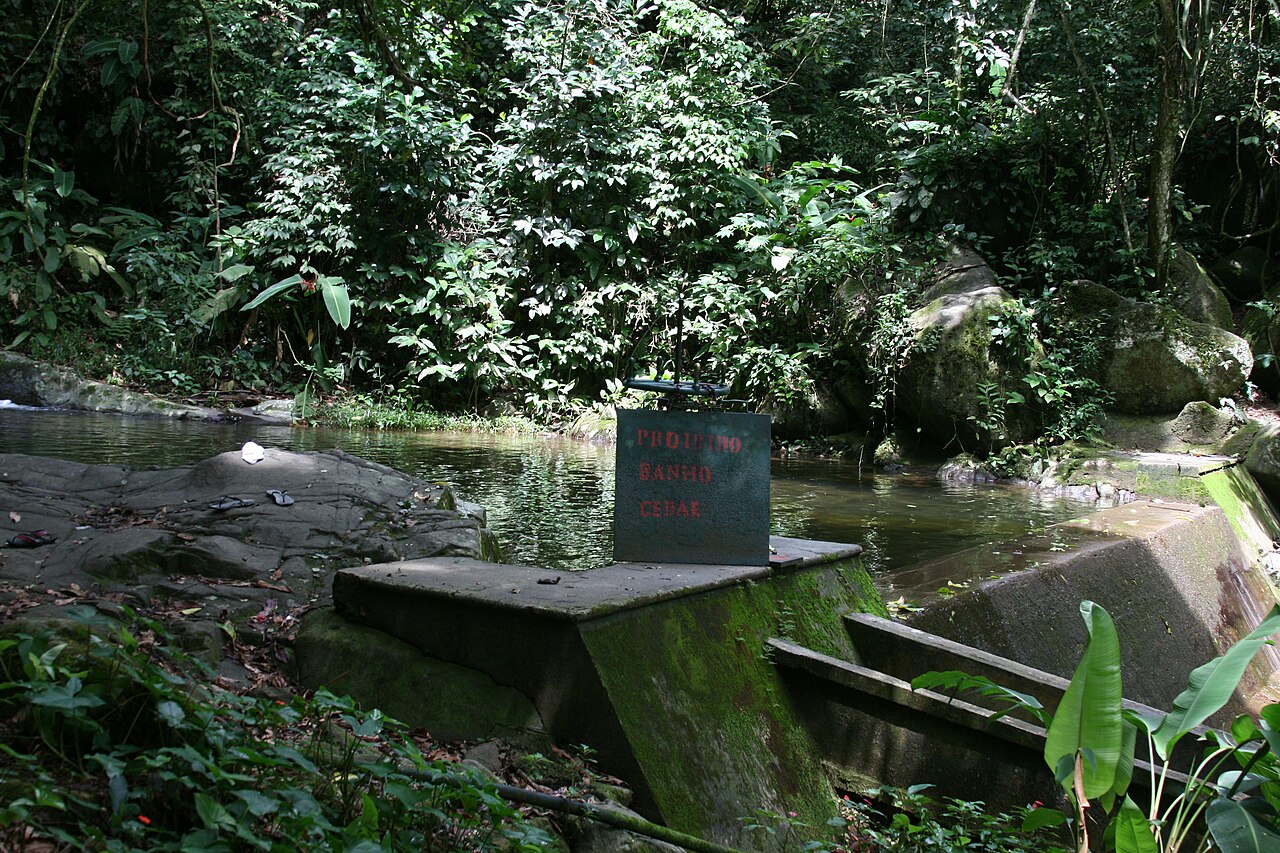
Park landscape only; it does not depict a specific volunteer project or participant activity.
Quick answer
For ethical volunteering in Rio de Janeiro, start with a locally led organisation that explains a real need, supervision, safeguarding, time commitment and how visitors support ongoing work. A one-day photo opportunity is not the same as useful service. Brazil has formal volunteer and immigration rules, so confirm the correct status with the organisation and Brazilian consular guidance before you travel. If a project gives tourists casual access to children or asks you to replace paid local work, decline.
At a glance
Start locally
Ask who set the project’s priorities and who supervises volunteers.
Time matters
A one-off visit may create work for an organisation without building useful continuity.
Rio example
The city’s Voluntários por Natureza programme lists environmental roles and training.
Children
Do not treat children or residential-care settings as tourist attractions.
Agreement
Brazil’s volunteer-service law describes a written term setting out the work and conditions.
Immigration
Foreign nationals should check the appropriate consular rules for volunteer activity.
Donations
Ask organisations what they need before bringing supplies or money.
No affiliate sell
This guide does not sell access to vulnerable communities or a volunteer placement.
Volunteering is service, not an attraction on the itinerary
Visitors often arrive in Rio wanting to give something back. That intention can be generous, but a short stay does not automatically make a traveller useful to a community organisation. Staff must spend time screening, training, translating and supervising each volunteer. If the visitor is present for only a few hours, that administrative cost can outweigh the work completed. Start by asking whether the organisation actually needs a short-term visitor, rather than beginning with a request to be placed somewhere.
Ethical volunteering is organised around a local priority, with a named organisation accountable for the work. It has a role description, a supervisor, a time commitment, expectations, safeguarding procedures and a way to assess whether the activity helped. The community is not a backdrop for a traveller’s personal story, social-media post or desire to feel useful. A project should remain valuable if the volunteer never posts a photograph or receives a certificate.
If you have one free afternoon, a direct donation, a ticket to a locally run cultural activity or spending money at a community-led business may be more useful than asking to visit a vulnerable setting. If you have weeks or months, a skill-based commitment with continuity may make sense. The organisation should define what it needs, and you should be honest about your time, language ability, qualifications and limits. Good intentions do not replace a role that is genuinely useful.
What responsible volunteer work looks like
A responsible programme begins with a local organisation that can explain the problem it is addressing, who chose the approach and how volunteers fit into it. Ask who benefits, who makes decisions and what would happen if no visitor arrived. A credible organisation can describe its staff, community partners, funding sources and work plan without promising that every volunteer will transform a person’s life. It should be clear about what is outside your role as well as what you will do.
Look for orientation and ongoing supervision. Volunteers should know where to report, what equipment is needed, how to keep people safe and who to contact when a situation changes. The city’s Voluntários por Natureza programme describes registration, training and supervision for environmental activities, with roles ranging from administrative support to conservation and education. It is a model to learn from, not an instant tourist excursion; ask the programme whether short-term non-resident participation is currently possible.
A written agreement helps make the role clear. Brazil’s Federal Volunteer Service Law describes volunteer service as unpaid work for public or nonprofit organisations and calls for a term of adhesion setting out the object and conditions. Ask how a programme applies that requirement and what expenses, if any, are reimbursed. A written role protects the organisation and volunteer by making expectations visible. It also discourages vague arrangements where visitors are asked to do whatever a manager needs without training or boundaries.
Short-term voluntourism: when the visitor benefits more than the community
Voluntourism describes travel that packages volunteer work as an experience for visitors. Some programmes combine useful service and tourism responsibly; others sell access to people or animals without enough local accountability. A useful test is to ask who pays whom and for what. If most of the fee buys accommodation, excursions and a certificate while the community receives little transparent support, the service may be a marketing device rather than a community priority.
A two-hour visit can make a powerful photo and almost no durable contribution. A one-day volunteer may need the same screening and orientation as someone staying longer, but have little time to learn the work. Short placements can also interrupt a service schedule, create emotional attachments that disappear when a visitor leaves, or expose private stories to an audience. Ask the organisation how it manages continuity and whether a donation would be more practical than your presence.
Be wary of an itinerary that promises an emotional encounter, a chance to “save” a community or a personal transformation before it explains the actual work. Ask for outcome measures and a recent activity report, not just testimonials. A credible project will be comfortable saying that it cannot accommodate you, needs a longer commitment or prefers financial support. A refusal may be evidence that the organisation is protecting its work, not that it is ungrateful.
Children and residential care require the strongest boundaries
Do not visit an orphanage or residential children’s home as a tourist activity. Children are not an attraction, and casual access can raise safeguarding, privacy and exploitation risks. The OSCE’s anti-trafficking office warns that orphanage tourism can fuel demand for institutional care and create access points for traffickers. That warning applies even when a visitor is kind and the organisation appears welcoming. A child should not have to meet a stranger so the stranger can feel connected to a trip.
Avoid projects that let short-term visitors hold, photograph or interview children without rigorous consent and safeguarding procedures. Do not post children’s faces, names, school uniforms, locations or personal stories. A parent or staff member saying “it’s okay” in the moment may not be informed consent for a public post, and the child may not be able to refuse freely. If you work in a legitimate programme with children, follow the organisation’s rules and local law; never create your own photo policy.
If your professional skill could support child welfare, communicate through a recognised organisation and accept its screening, training and supervision process. Social work, teaching, counselling, medicine and legal support require qualifications and local authority. Do not use a tourist placement to practise beyond your competence. A locally trained staff member should remain responsible for care and decisions. If a programme advertises direct child contact as a perk for visitors, decline and consider reporting concerns to an appropriate safeguarding body.
Favela and community work should not become a human-safari add-on
A community organisation working in a favela or another neighbourhood is not a tourist attraction. Do not ask a volunteer placement to arrange a tour through residents’ homes, photograph children or introduce you to “the locals.” Community-led work may be open to guests under specific conditions, but access, photography and participation must be decided by residents and the organisation. If the work is described mainly as an opportunity to see poverty or experience authenticity, the framing is wrong.
A responsible programme will explain local leadership, community consent, benefits, safety, privacy and what visitors must not do. It should not promise that you will meet a particular family or hear a personal trauma story. Ask whether your presence is useful, whether residents have approved the activity and whether a local staff member will be present. Follow guidance about clothing, language, gifts, money and photographs without negotiating for exceptions.
If a community project is not recruiting volunteers, respect that boundary. You can learn about Rio’s history, architecture and neighbourhoods through public museums, local cultural centres and established resident-led activities. Spending money with locally owned businesses can support livelihoods without asking people to perform their hardship. Ethical travel includes knowing when to be a guest, when to be a customer and when not to enter a space at all.
Environmental volunteering: match the task to the site and season
Environmental projects may involve nursery work, planting, invasive-species management, trail maintenance, public education, monitoring or administrative support. The task depends on the site, season and technical plan. A planting day is not automatically beneficial: the species, place, timing and aftercare matter. Ask who selected the plants, who maintains them and whether the project is part of a longer restoration plan. Do not collect seeds, enter restricted land or handle wildlife because a visitor guide suggested it.
Rio’s Voluntários por Natureza programme says it supports activities through the municipal environment department and includes conservation, education, public service and administrative roles. It states that volunteers receive guidance and supervision and that participation is arranged through a registration process. The programme’s page lists a contact for questions. A short-term traveller should ask whether current activities are open to visitors and whether the schedule, training and commitment fit. Do not show up at a park expecting staff to create a task.
If you already have ecological training, describe your qualifications and ask whether there is a supervised role that uses them. Do not present yourself as a researcher, wildlife rescuer or arborist without credentials. A volunteer should not handle snakes, bats, eggs, nests or injured animals unless a qualified project supervisor explicitly assigns that task and all legal requirements are met. A donation to a conservation fund or an authorised entry fee may be more useful than untrained labour.
Skills, language and time: what can you realistically contribute?
Make an honest list of what you can offer. A local organisation may need translation, bookkeeping, web accessibility, fundraising, technical training, photography with consent, administrative help or a specific professional skill. It may need none of those things this month. A useful volunteer does not arrive with a pre-decided project; they ask what work is already planned and where an extra person fits. If you have only one day, be open to being told there is no suitable role.
Language matters. If work involves safety, children, health, legal rights or sensitive personal information, casual machine translation may not be enough. Ask which languages the team uses and whether you need professional interpretation. Do not rely on a community member to translate all day without agreement or compensation. Learning basic Portuguese can make logistics kinder, but it does not turn a visitor into a qualified interpreter or counsellor.
Time commitment should be specific. Ask for orientation hours, weekly schedule, minimum duration, travel time, attendance expectations and what happens if you become ill or your itinerary changes. For a role that depends on continuity, a visitor who might leave after two days may not be a fit. Do not make promises you cannot keep. The city environmental programme itself tells volunteers to commit only to what they can fulfil; that principle applies everywhere.
Money, fees and donations: ask where the value goes
Some organisations charge a programme fee to cover supervision, meals, transport, training or accommodation. A fee is not automatically exploitative, but it should be itemised. Ask how much reaches the local organisation, what expenses it covers, who is paid, whether a donation receipt is available and whether the volunteer can choose to donate without taking a placement. Compare that information with the organisation’s publicly available accounts or annual report when the contribution is substantial.
Avoid bringing unsolicited supplies. Donations of shoes, toys, medication, school materials or used clothing can be unsuitable, expensive to store or disruptive to local purchasing. Ask what is needed, in what quantity, and whether buying locally would support a community supplier. Do not distribute cash or gifts to children or residents you meet on a tour. Gifts can create expectations, expose someone to risk and undermine the organisation’s agreed approach.
If you want to contribute money, use the organisation’s official payment channel and verify the legal name and recipient. Do not transfer money to a guide’s personal account because they say they know a project. Ask for a receipt and clarify whether the donation is restricted to a particular use. A transparent organisation can explain its administrative costs; low overhead is not the only measure of impact. Good safeguarding, local salaries and evaluation take resources.
Immigration rules are separate from an organisation’s invitation
Foreign visitors should not assume that “unpaid” means no immigration question. Brazil’s Ministry of Foreign Affairs describes volunteer service as a possible purpose for a visitor visa for stays of up to 90 days, with an invitation letter from the Brazilian organisation; a longer volunteer activity may require a temporary volunteer visa. Visa exemptions and individual requirements depend on nationality and the planned activity. Check the current official consular guidance for your passport and ask the host organisation what documentation it can provide.
Brazil’s immigration-labour portal also describes a residence authorisation route for volunteer service and points to the applicable resolutions. The correct process may depend on duration, where you apply and the organisation’s status. We cannot determine an individual’s immigration eligibility. Do not rely on advice from a volunteer marketplace, an old blog post or a social-media comment. Contact the relevant Brazilian consulate and the host organisation before buying non-refundable travel.
A project that asks you to work beyond the authorised scope or promises you can ignore visa rules is a warning sign. Keep your invitation, role description, dates and correspondence. Clarify whether the organisation reimburses expenses and how those reimbursements are documented. If your activity looks like a job, provides services to paying customers or is part of a commercial tour, get professional immigration advice rather than labelling it volunteer work for convenience.
A due-diligence checklist for a Rio project
Start with identity: what is the organisation’s legal name, where is it based, who leads it and how can you reach staff independently? Read the project’s own site and recent public updates. Ask whether residents, workers or beneficiaries helped set the priorities. If the project is a partner of a larger charity, verify the relationship from both organisations. Search for independent information, but do not mistake a glossy site or a large social-media following for proof of good practice.
Then check the role: what will you do, who supervises you, what training is required, what language is used and how long is the commitment? Ask how the organisation handles child protection, photography, personal data, health emergencies and complaints. Ask what a volunteer must never do. A good programme will have clear answers and will not pressure you to pay before explaining the work. Request the written agreement and fee breakdown in advance.
Finally, assess impact and fit. Ask how the organisation knows the work is useful, what happens after you leave, whether paid local staff do the same task and whether money would help more than time. If any answer is unclear, wait. A project should let you decline without guilt or urgency. You can still be a responsible visitor through ordinary spending, respectful behaviour and support for locally led organisations that do not need a tourist volunteer.
Red flags: leave before you pay
Walk away from programmes that promise access to orphanages, hospitals, schools, shelters or private homes as a visitor perk. Red flags include no screening, no written role, no supervisor, pressure to pose with children, a requirement to post photos, vague fees, promises to “rescue” a community, or a project that changes tasks every day to keep tourists entertained. An ethical programme may share the difficult parts of its work, but it will not sell vulnerable people as an experience.
Be cautious if an organisation cannot explain who owns the project, how money is spent, where volunteers sleep, whether transport is safe or what happens in an emergency. Avoid requests to carry luggage, cash, medication, electronics or parcels for someone you just met. Do not accept an invitation to perform medical or childcare tasks outside your qualifications. Ask a trusted travel contact or your consulate for advice if you suspect fraud or exploitation.
Do not take a role because a guide says you will look unkind if you refuse. A responsible host welcomes questions and gives time to decide. If the experience is pressuring you to pay, publish a testimonial or keep concerns private, leave. Report safeguarding concerns to the appropriate local authority or organisation. In Rio municipality, urgent public-service issues may be routed through city channels such as 1746, but a serious immediate emergency requires the appropriate emergency service.
Ways to support Rio without volunteering
A visitor can support local work without joining a volunteer shift. Buy from locally owned cafés, markets, artisans, booksellers and cultural organisations; pay for a resident-led experience; use public museums and heritage institutions; and give directly to a vetted organisation. These choices put money into the city without creating an extra supervisor task. If a project publishes a current needs list, follow it rather than guessing what supplies will be useful.
For a specific community initiative, ask whether it prefers a donation, long-term remote skill support, an introduction to a professional network or a future commitment. A one-time donation can be more predictable than a visitor who arrives with no language skills and no clear task. If you have a relevant professional ability, offer it through an official channel and accept that the organisation may say no. The project’s capacity should set the terms.
You can also learn about Rio through resident-led history, culture and nature programmes that sell a defined service rather than unpaid access to vulnerable people. Pay the guide or artist fairly, follow photography rules and do not ask for personal stories outside the activity. This keeps the relationship clear: you are a visitor purchasing an experience, not a volunteer entitled to enter a private setting. Ethical travel is often less dramatic than voluntourism and more respectful.
When volunteering in Rio may be right for you
Volunteering can be appropriate when a locally led organisation has a defined need, your skills match it, your time commitment is useful, the programme supervises the work and your immigration status is clear. A transparent fee, written role and safeguarding policy make the arrangement easier to understand. You should be willing to do unglamorous work, follow local leadership and leave without a photo if the activity is private.
It may be better to wait if the only available role is a one-hour visit to a vulnerable group, if you have no time for orientation, or if you expect the organisation to build a project around your vacation dates. You might help more by donating through a verified channel and spending locally. That is not less generous; it is a decision based on the organisation’s actual capacity rather than the visitor’s desire for a hands-on experience.
The most ethical outcome is the one that leaves the local project with more capacity, not more paperwork. Ask first, listen carefully, accept limits and choose a role only when the host says it is useful. If you do volunteer, honour the commitment you made, protect privacy, follow supervision and let local staff describe the work. Rio does not owe a traveller a chance to feel helpful. A volunteer earns a place by being useful on the organisation’s terms.
Common mistakes tourists make
- Treating a visit to a school, orphanage, hospital, shelter or favela as an activity for tourists.
- Assuming unpaid work is automatically outside visa or immigration rules.
- Choosing a project because it guarantees emotional access, photographs or a personal transformation.
- Bringing unsolicited supplies or giving cash and gifts directly to children.
- Offering professional, medical or childcare services without the required qualifications and supervision.
- Paying a large fee before seeing a written role, safeguarding policy and itemised budget.
- Promising more time than you can give or leaving without telling the project supervisor.
Local expert tips
- Ask who set the project’s priorities, who supervises visitors and what continuity looks like after you leave.
- Read Brazil’s volunteer-service law and the current consular rules for your nationality and activity.
- Use the city’s Voluntários por Natureza page as a vetted example of registration, training and supervision; confirm current eligibility directly.
- Do not volunteer in a children’s residential institution as a tourist or post children’s identifiable images.
- Ask whether a donation or locally purchased supplies would help more than your short-term labour.
- Request the role, schedule, fees, emergency contact and cancellation terms in writing before paying.
- Treat a refusal or minimum-duration requirement as a legitimate safeguarding and continuity boundary.
- Support local businesses and resident-led cultural work when a volunteer role is not a good fit.
Frequently asked questions
Can tourists volunteer in Rio de Janeiro?+
Some organisations may accept short-term visitors, but many roles need screening, training and continuity. Ask the locally led organisation whether your dates and skills are useful, and check current Brazilian consular requirements before travelling.
Do foreigners need a visa to volunteer in Brazil?+
Requirements depend on nationality, duration and activity. Brazil’s consular guidance describes volunteer service as a visitor-visa purpose for stays up to 90 days and a temporary volunteer visa for longer stays. Confirm your case with the relevant Brazilian consulate.
Is it ethical to volunteer at an orphanage in Rio?+
Do not visit residential children’s homes as a tourist activity. Short-term visitor access can create safeguarding and exploitation risks. Work with children only through a properly screened, locally accountable programme that protects privacy and continuity.
Are there environmental volunteer programmes in Rio?+
Rio municipality’s Voluntários por Natureza programme describes environmental and public-service activities with registration, guidance and supervision. Contact the programme directly to ask about current openings and whether a short-term visitor is eligible.
Should I pay to volunteer in Rio?+
Some fees cover real costs, but ask for an itemised budget, role description, supervision plan and the amount that supports local work. Compare paying the fee with making a direct donation if your visit is brief.
Can I volunteer in a favela?+
Only through a locally led organisation that explicitly invites you, defines a useful role and protects residents’ privacy. Do not seek a placement as a way to tour, photograph or gain access to people’s homes.
Can I bring donations or school supplies?+
Ask the organisation for its current needs first. Unrequested items can cost staff time, storage and distribution; buying locally or donating money may be more useful.
What does Brazil’s volunteer-service law require?+
Federal Law 9.608 describes volunteer service for public or nonprofit organisations and calls for a written term of adhesion that states the activity and conditions. Ask the host how it applies the current rule to your role.
How can I tell whether a volunteer programme is ethical?+
Look for local leadership, a defined need, screening, training, supervision, clear fees, safeguarding, a written role and honest outcome reporting. Avoid programmes that sell access to vulnerable people or promise guaranteed emotional experiences.
What if I only have one day to volunteer?+
Ask first, but expect that a brief placement may not be useful after screening and training. A donation or locally led cultural purchase can support the organisation without creating extra supervision work.
Sources and image credit
Details and access can change. Use these venue, operator and public-information sources to recheck key details before visiting.
- Rio municipality: Voluntários por Natureza ↗
City environmental volunteer programme with registration, supervision, training and role examples; verify current openings directly.
- Brazilian Federal Law 9.608: Volunteer service ↗
Defines volunteer service and the term of adhesion that sets its object and conditions.
- Brazil Ministry of Foreign Affairs: Visitor visa purposes ↗
Current official overview of visitor visa purposes, including short-term volunteer service; requirements depend on nationality.
- Brazil Ministry of Justice: Volunteer-service residence route ↗
Official immigration information and applicable authorization route; consult the rules for an individual case.
- OSCE: Risks of orphanage tourism ↗
Intergovernmental guidance on trafficking and child-protection risks linked to orphanage tourism.
- Rio municipality: ColaboraRio programme overview ↗
Municipal volunteer programme background; verify whether the portal is currently accepting participants.
Keep planning
About PlanRio
PlanRio is an independent, editorially-driven Rio de Janeiro travel guide built to help visitors plan safer, richer, more local trips to the Marvelous City.
Rocinha Guide (2026): Safety, Ethics & How to Visit Rio's Largest Favela
Honest 2026 guide to Rocinha — Brazil's largest favela. Safety realities, ethical operators, community-led walking tours and how residents actually live.
Brazil Visa Requirements (2026 e-Visa Guide)
Brazil visa requirements for 2026: eVisa rules for US, Canadian and Australian passports, China's temporary 30-day exemption, official application timing, stay limits and extensions.
Digital Nomad Visa Brazil 2026: VITEM XIV Complete Guide
Everything about Brazil's Digital Nomad Visa (VITEM XIV) — requirements, application, costs, processing times, tax implications, and living remotely from Rio.
Rio de Janeiro for First Timers
The complete first-time Rio orientation: planning timeline, neighbourhood geography, bookings, weather flexibility, arrival, money and safety.