Coffee Valley Day Trip from Rio: Farms & Tastings
Written and reviewed by Lotte — Rio local, founder & editor of PlanRio · How we research · First published
Quick answer
A Coffee Valley day trip from Rio is worth it for history-minded travellers: base the day in Vassouras, visit one pre-booked fazenda, taste regional coffee and insist on honest interpretation of the enslaved labour behind 19th-century wealth. It is a long road day, so book transport and farm access together rather than improvising.
At a glance
What it is
A 14-municipality heritage region of Rio State centred on 19th-century coffee fazendas and Paraíba Valley towns.
Best base
Vassouras for the historic centre, Casa da Hera, farm access and the clearest first visit.
Day-trip reality
A long full day from Rio; transport and pre-arranged farm entry matter more than the number of stops.
Best for
History, architecture, rural landscapes and coffee-curious travellers who want context beyond a tasting.
Not best for
Anyone expecting a fast barista class, endless modern plantations or a relaxed trip without road time.
Booking rule
Historic fazenda visits commonly require advance arrangements; never assume a gate is open for walk-ins.
The honest verdict: this is a history trip with coffee, not a coffee theme park
The Vale do Café is one of the most revealing day trips from Rio because it explains how imperial wealth, enslaved labour, railways, exhausted soil and grand architecture fit together. You may taste locally grown coffee, but the preserved fazendas and the stories they choose to tell are the real reason to go.
A guided day trip is worthwhile when you want a single, carefully sequenced introduction without driving. Independent travel works better as an overnight stay. Trying to collect three towns and several farms in one day produces more windscreen than understanding.
What and where is Rio's Coffee Valley?
Rio State's official tourism region includes 14 municipalities across the Médio Paraíba, among them Vassouras, Valença, Rio das Flores, Barra do Piraí and Paty do Alferes. The landscape is rolling Atlantic Forest country rather than the beach Rio most visitors know.
Coffee transformed this valley during the 19th century. Barons built mansions, farms and transport networks while enslaved Africans and their descendants performed the labour that made the fortunes possible. Any tour that celebrates only porcelain, chandeliers and aristocratic nostalgia is telling less than half the story.
1. Vassouras: the best first-time anchor
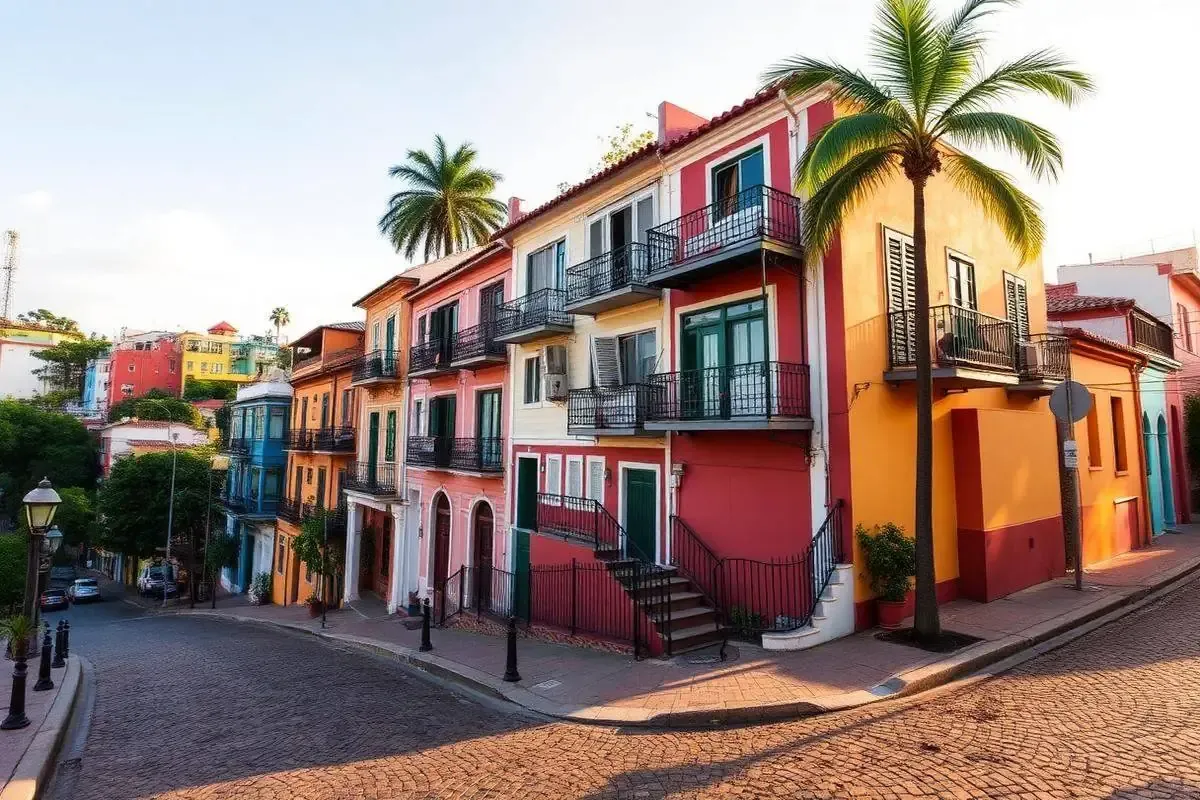
Vassouras has the most coherent visitor structure: a palm-lined historic centre, preserved townhouses, Casa da Hera and access to multiple historic fazendas. Start here rather than treating it as a lunch stop. The town shows how coffee wealth shaped civic life, not only rural estates.
Casa da Hera and the Memorial Manuel Congo add domestic and resistance perspectives, while the central square makes a sensible break between the drive and a farm visit. Opening arrangements change, so confirm the day's plan rather than relying on a copied timetable.
2. Historic fazenda visit: the essential experience
A fazenda tour should cover architecture, processing, domestic life and labour. Ask whether the interpretation names slavery directly, identifies where enslaved people lived and worked, and explains what happened after abolition. Polished furniture without that context is heritage theatre, not history.
Many properties accept visitors only by prior arrangement, sometimes through a local receptive operator. That makes spontaneous self-driving risky. A useful booking confirms the named farm, what parts are accessible, whether coffee is currently grown there and what the tasting actually includes.
3. Coffee tasting: what to expect
Do not assume every historic coffee estate is a large modern producer. Some preserve buildings and memory; others have revived small-scale cultivation or partner with nearby growers. A credible tasting distinguishes origin, roast and brewing method instead of presenting any sweet cafezinho as estate coffee.
Rio's everyday cafezinho is usually dark, strong and sweet. Specialty producers may serve filtered coffee with lighter roasting and clearer acidity. Neither needs to be mocked. The interesting part is seeing how commodity history, local revival and contemporary Brazilian coffee culture sit beside each other.
4. Barra do Piraí and Rio das Flores
Barra do Piraí is practical for notable farms and railway history; Rio das Flores offers quieter scenery and properties that sometimes combine guided visits with meals or lodging. These are better choices than adding distant Conservatória simply because its name is familiar.
Pick one secondary area based on the farm that has confirmed access that day. The valley is a region, not a compact park, and road distances punish an overfilled plan. One strong farm plus Vassouras beats three rushed gates.
5. Valença and Conservatória: better with an overnight
Valença adds 19th-century architecture, while Conservatória is known for seresta — evening serenades — and music heritage. Their charm appears after day-trippers leave, which is why we would not squeeze them into a first Coffee Valley day from Rio.
Stay overnight if music, slow rural roads or a second farm matters. An evening in Conservatória followed by a morning visit creates a far calmer weekend than returning to Rio after dark. The day trip should remain focused on Vassouras and one confirmed property.
Guided tour, private driver or self-drive?
A guided tour is best for a first day trip because it bundles farm access, historical interpretation and a driver who is not tasting coffee while navigating rural roads. Check whether the guide is with you at the property or merely provides transport.
A private driver works for two to four people who already have farm reservations and want control over pace. Self-drive makes sense for an overnight itinerary, but not if you dislike unfamiliar roads or expect to navigate by mobile signal alone. Download the route and keep offline confirmations.
A realistic one-day itinerary from Rio
Leave early, reach Vassouras in the morning, walk the historic core and visit one museum or memorial. Continue to one pre-booked fazenda for a guided visit and tasting, eat a proper regional lunch, then return before the rural roads and Rio approaches become tiring after dark.
Do not add Petrópolis: it belongs to a different mountain corridor and turns the day into a map fantasy. If weather disrupts the farm visit, spend more time in Vassouras rather than driving farther to chase a second booking.
How to visit responsibly
Coffee Valley tourism can romanticise an economy built on slavery. Choose guides and properties that name enslaved people, resistance and post-abolition life; support museums, local guides, cooks and contemporary growers rather than consuming only the barons' aesthetic.
Ask before photographing interiors, chapels, staff or private family spaces. Buy coffee only when its origin is explained. A vague heritage bag may be a souvenir from elsewhere, while a smaller local producer can tell you the farm, variety and roast date.
When the Coffee Valley is not worth it
Skip it on a trip shorter than five days unless Brazilian history is a priority. Skip it if heavy rain or road disruption makes the journey uncertain. And skip any tour that cannot name a farm before departure or describes enslaved labour only with euphemisms about a glamorous imperial past.
If you mainly want to taste Brazilian coffee, a Centro coffee-and-architecture walk gives far more flavour per hour. If you want a mountain palace and easier landmark circuit, Petrópolis is simpler. Coffee Valley wins for travellers willing to spend a long day on the deeper history of rural Rio State.
Choose the rural day or the city alternative
The full-day tour solves farm access and transport. If the road time is too much, the city coffee walk keeps the tasting and architecture without pretending it is the same experience.
Links may earn us a commission at no extra cost to you. This supports PlanRio.
Common mistakes tourists make
- Assuming every historic farm accepts walk-ins; many visits require advance arrangements with a property or receptive operator.
- Trying to combine Vassouras, Conservatória, Valença and several fazendas in one day from Rio.
- Booking a nostalgic mansion tour that avoids direct language about slavery, resistance and the source of imperial wealth.
- Expecting every heritage estate to be a working specialty-coffee plantation today.
- Driving back after dark while tired simply to avoid paying for an overnight stay.
Local expert tips
- Ask for the named fazenda before booking; 'farm visit subject to availability' is not enough for a coffee-focused day.
- Choose one deep visit over three façades and use Vassouras as the narrative anchor.
- Download maps and confirmations before leaving Rio because rural mobile coverage is not guaranteed.
- Ask what coffee is actually being tasted — origin, producer, roast and brew method — before buying a souvenir bag.
- For an overnight, add Conservatória or a second farm the following morning instead of stretching the first day.
Frequently asked questions
Can you visit the Coffee Valley as a day trip from Rio?+
Yes, but it is a long full day. The most realistic plan is Vassouras plus one pre-arranged historic fazenda, not a sweep through the whole region. A guided tour removes the two hardest pieces: rural transport and confirmed farm access.
What is the best town in the Vale do Café?+
Vassouras is the best first-time base because its historic centre, Casa da Hera, Memorial Manuel Congo and surrounding farms create the clearest one-day story. Valença and Conservatória become more rewarding when you stay overnight and can include evening music and a second rural visit.
Do Coffee Valley farms require reservations?+
Many historic fazendas receive visitors only by advance arrangement, often at set times or through local operators. Never assume you can arrive at a private estate and join a tour. Confirm the named property, access, language, meal and tasting before leaving Rio.
Will I see working coffee plantations?+
Possibly, but not every heritage property is a large working plantation today. Some preserve architecture and history; others cultivate coffee again or work with regional producers. Ask exactly what is grown, processed and tasted so the experience matches your interest.
Is the Coffee Valley tour appropriate for children?+
Older children interested in history and farms can enjoy it, but the long road time makes it a poor choice for many young families. Ask about toilets, meal timing, walking surfaces and whether the farm has animals or hands-on elements. A private plan is easier than a fixed group day.
Can I visit Vale do Café without a car?+
Reaching Vassouras by intercity transport is possible, but linking the town to rural farms is the problem. For a one-day visit, book a guided departure or private driver. Public transport works better for an overnight stay arranged with local transfers.
What should I wear for a coffee-farm visit?+
Wear closed shoes, light layers and sun or rain protection. Historic floors can be uneven, rural ground can be muddy and interiors may restrict large bags. Bring water, but ask before carrying food or drinks into a preserved house.
How does the tour address slavery?+
Quality interpretation should explain that enslaved Africans and their descendants created the wealth represented by the estates, identify labour and living spaces, and discuss resistance and post-abolition life. Ask the operator directly; avoid a tour that offers only baronial nostalgia.
Is a coffee tour in Rio city a good alternative?+
Yes. If your priority is tasting rather than rural history, a coffee-and-architecture walk in central Rio is shorter, easier and often more focused on brewing. Choose Coffee Valley for landscape, fazendas and the history of the imperial economy.
Keep planning
Best cultural workshops in Rio
Compare coffee with food, samba and creative experiences.
Rio street-art guide
A city-based culture route through the port, Lapa and Santa Teresa.
Samba classes in Rio
Learn the basic pulse before a live music night.
Petrópolis from Rio
Compare the easier imperial mountain day trip.
Best day trips from Rio
Choose the right escape for your time and interests.
GIG airport hotels
Plan a restful night around awkward flight times.