Best Cultural Workshops in Rio: 12 Hands-On Experiences
Written and reviewed by Lotte — Rio local, founder & editor of PlanRio · How we research · First published
Quick answer
Rio's best hands-on cultural experiences are a Brazilian cooking class for depth, a beginner samba lesson for confidence, a market fruit tasting for curious eaters, a coffee-and-architecture walk for compact context and a make-your-own bikini workshop for a genuine souvenir. Choose a named instructor and a specific skill, not a vague 'authentic' package.
Links may earn us a commission at no extra cost to you. This supports PlanRio.
At a glance
Best first workshop
A Brazilian cooking class for a full meal and practical cultural context.
Best evening
Beginner samba, or a samba-and-caipirinha combination when you want a social group.
Best short activity
Market fruit tasting or coffee tasting for culture without a half-day commitment.
Best souvenir
A make-your-own bikini workshop — only if you genuinely want the garment and process.
Rain-proof value
Cooking, dance, coffee and drink workshops make strong wet-weather backups.
Booking check
Confirm language, accessibility, ingredient or alcohol policy, venue and the exact take-home item.
The honest verdict: make something, do not just consume a performance
Rio's best workshops put a local practice in your hands: balancing a samba step, grinding a spice, identifying fruit, mixing a caipirinha or cutting swimwear fabric. They create better memories than another passive bus stop because the teacher, ingredients and mistakes become part of the story.
The category also attracts shallow packages. A useful workshop names its instructor, says what you will actually do and avoids promising cultural mastery in an hour. Choose one excellent hands-on experience that fits your interests rather than filling a trip with staged 'authenticity'.
1. Brazilian cooking class: best overall
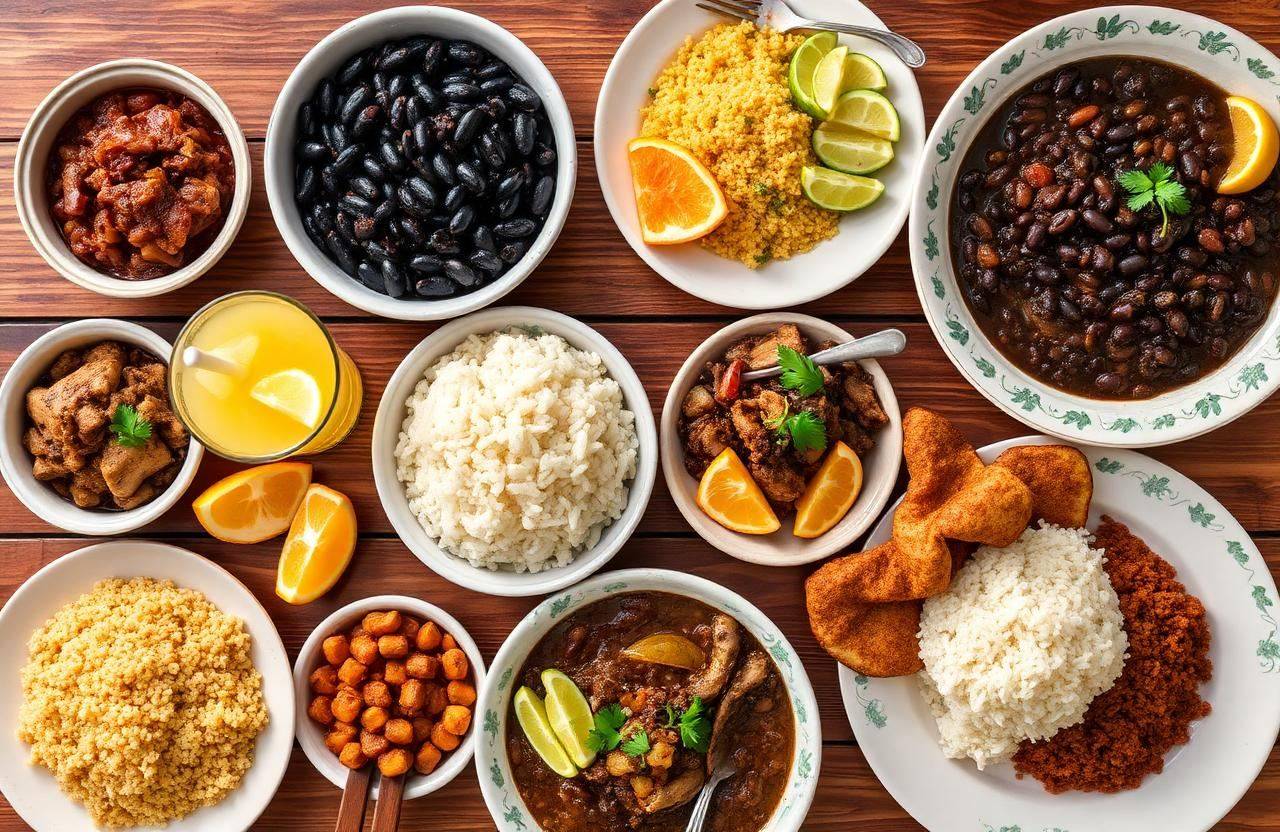
A cooking class combines language, ingredients, technique and a shared meal. Look for moqueca, farofa, pão de queijo, brigadeiro or a properly explained feijoada rather than an impossible menu of every national dish. The best instructors explain regional differences and why a recipe belongs in Rio.
Confirm allergies and dietary needs before payment, not on arrival. Vegan adaptations can be excellent when designed deliberately; simply removing seafood or meat from a menu may leave little substance. Arrive hungry and do not schedule a large dinner immediately afterwards.
2. Beginner samba lesson: best introduction to Rio nightlife
A studio lesson gives you the basic samba no pé pulse before you hear it live. It is especially good for solo travellers because a small group creates company without requiring alcohol or an all-night commitment. Ipanema and Copacabana are the simplest areas for first-time logistics.
Choose a named teacher and a class clearly described as beginner. Wear secure flat shoes. If the experience continues to Lapa or Pedra do Sal, verify the evening venue, finish time and return arrangement separately from the lesson itself.
3. Samba and caipirinha workshop: best social evening
This combination favours fun over technical depth: mix Brazil's classic lime-and-cachaça drink, learn a short samba sequence and meet a group. It works well on a rainy evening or as a confidence bridge before nightlife.
It is not the choice for serious dance tuition or travellers who prefer alcohol-free activities. A responsible host should offer water and a non-alcoholic alternative without fuss. Check the age policy before booking for a family group.
4. Market and tropical-fruit tasting: best for curious eaters
Brazilian markets contain fruits many visitors cannot identify: cupuaçu, graviola, jabuticaba products, caju fruit and regional varieties that rarely travel well. A guided tasting is useful when it explains season, region, texture and how locals use each ingredient rather than simply counting samples.
Markets are working food spaces. Follow the guide's hygiene cues, do not handle produce without asking and bring an appetite rather than a rigid must-taste list. Availability is seasonal; substitution is a sign of a real market, not necessarily a broken tour.
5. Coffee tasting and architecture walk: best compact culture lesson
A city coffee walk connects cafezinho culture, historic cafés and Centro architecture in a few hours. It is a smart alternative to the full Coffee Valley day when road time does not fit. The stronger tours discuss commodity history as well as roast and brew.
Ask how much walking is involved and whether tastings are seated. Centro is best in weekday daylight; a guide improves interpretation and route choice, but you should still return by metro, VLT or ride-hailing when the business district empties.
6. Make-your-own Brazilian bikini: best creative souvenir
A bikini workshop turns Rio's beachwear culture into a practical design activity. You choose fabric, work through cutting or assembly and leave with something more personal than a logo souvenir. It is a particularly good fit for fashion students and groups.
Confirm sizing, coverage options, sewing involvement and what is actually completed during the session. Brazilian cuts are not one compulsory body ideal. A respectful workshop should offer choice without jokes or pressure and explain what can be adjusted.
7. Capoeira class: best movement-and-history option
A beginner capoeira class introduces the ginga, simple escapes, rhythm and the roda. The music and call-and-response are not decoration: capoeira is an Afro-Brazilian cultural practice that joins movement, strategy and community.
Choose a recognised group or teacher who accepts drop-ins and explains etiquette. Tell them about wrist, knee or back limitations. We currently do not have a verified Rio-specific Travelpayouts product in the registry, so this recommendation remains deliberately unmonetised rather than pointing to a generic search page.
8. Cachaça or Brazilian wine tasting: best adult tasting
A structured tasting teaches more than ordering a sweet caipirinha. Cachaça made from fresh sugarcane juice changes with distillation and Brazilian woods; Brazilian wine opens a different conversation about southern regions and newer producers.
Choose cachaça for a stronger Rio connection and wine for a slower seated evening. Check the number and size of pours, food pairing and transport home. Never combine an alcohol workshop with self-driving.
9. Brazilian breakfast or pão de queijo class: best family food option
Breakfast cooking is approachable: pão de queijo, tapioca, fruit, coffee and simple preparations give children and hesitant cooks more to do than a chef-led dinner. It also explains what to order at a padaria for the rest of the trip.
Ask whether children actively cook, the kitchen has step stools and nut or dairy requirements can be managed. A class is better than a hotel buffet only when participants actually prepare and understand the food.
10. Surf or stand-up paddle lesson: best outdoor skill
A surf lesson at Arpoador or stand-up paddle session in sheltered water turns the beach from scenery into practice. Book an instructor who chooses conditions, supplies suitable equipment and is willing to cancel or relocate when the sea is wrong.
This is weather-dependent, not a guaranteed timetable item. Check current water quality after heavy rain, use sun protection and disclose swimming ability honestly. A sunrise paddle can be beautiful, but only when transport and sea conditions make the early start sensible.
11. Portuguese mini-class or language exchange: best long-stay value
A practical Portuguese session pays off every day: greetings, food orders, numbers, directions and polite Brazilian pronunciation. Long-stay travellers gain more from one useful language class than from memorising a hundred phrases without feedback.
Language exchanges can be excellent and cheap, but they are social events rather than guaranteed tuition. Choose a professional lesson if you need structure; choose an exchange if meeting residents matters more than correction.
12. Community art and percussion workshops: best when locally led
Short mural, percussion and craft workshops appear through cultural centres, studios and community organisations. Their schedules move more than commercial tours, so a current local calendar is more reliable than a permanent list of names.
Ask who teaches, what fee reaches the organisation and whether visitors are joining a public programme or a private tourist session. Do not arrive at a favela project unannounced. Locally led does not mean casually organised; confirm access and meeting arrangements.
How to choose the right workshop
Match the activity to the trip: cooking for a substantial half-day, samba for an evening, fruit or coffee for a compact Centro slot, and a design workshop for a meaningful take-home object. Read the cancellation terms when weather, minimum numbers or a moving venue could affect it.
The trust signals are simple: named instructor, specific output, honest duration, clear accessibility, current meeting point and no inflated claim that a visitor becomes an expert. Workshops should open a door to a culture, not package ownership of it.
Book one workshop that fits your trip
These are specific, registry-backed activities with distinct outcomes. Compare the live instructor, language, duration and cancellation terms before choosing.
Common mistakes tourists make
- Booking a vague 'cultural immersion' that never names the instructor, venue or skill you will practise.
- Failing to disclose allergies, mobility needs or swimming ability until the activity begins.
- Packing several workshops into one day and losing the unstructured neighbourhood time that makes Rio enjoyable.
- Assuming every visitor-focused activity runs fully in English or that a moving meeting point will remain unchanged.
- Treating Afro-Brazilian dance, music or community projects as costumes and photo props instead of living practices.
Local expert tips
- Choose one anchor workshop and plan a related meal, venue or neighbourhood around it so the learning continues naturally.
- Save the instructor's WhatsApp and meeting instructions offline before leaving hotel Wi-Fi.
- For food activities, ask about cross-contamination rather than accepting a vague 'gluten-free' or 'allergy-friendly' label.
- For evening activities, evaluate the return journey as a separate part of the booking.
- Leave room for schedule changes: small local classes may depend on minimum numbers, weather or the teacher's venue.
Frequently asked questions
What are the best cultural workshops in Rio de Janeiro?+
The strongest all-round choices are a Brazilian cooking class, beginner samba lesson, guided fruit tasting, coffee-and-architecture walk and a make-your-own bikini workshop. Choose by the skill you genuinely want to practise, not by how many activities a package claims to combine.
What is the best Rio workshop for a rainy day?+
Cooking, samba, coffee tasting and caipirinha workshops are reliable indoor choices. Confirm the venue because some experiences include outdoor market or nightlife sections. Keep one flexible workshop in your itinerary rather than booking every day around a weather forecast that may change.
Are Rio cultural workshops suitable for solo travellers?+
Yes. Small-group cooking, dance and tasting sessions are among Rio's easiest social activities for solo visitors. Choose a clear central meeting point and, for evening combinations, confirm how the group reaches and leaves the final venue.
Do workshops in Rio run in English?+
Many visitor-focused classes do, but never assume every instructor or session is bilingual. The live listing should name the teaching language. Ask whether explanations are fully in English or only basic translation, especially for history-heavy coffee, market and cultural-centre activities.
How far ahead should I book a Rio class?+
Book when your preferred date and language matter, especially during Carnaval, Réveillon and school-holiday periods. Several days is usually more useful than months. Reconfirm the meeting point on the day and keep any WhatsApp instructions available offline.
Which cultural workshop is best for children?+
A hands-on breakfast, pão de queijo or family cooking class is usually the safest choice. Fruit tasting can also work for adventurous eaters. Check minimum age, alcohol in the venue, kitchen participation, allergies, toilets and the true finish time before booking.
Are samba and capoeira classes culturally respectful?+
They are when qualified teachers explain the Afro-Brazilian roots, name the form being taught and treat visitors as beginners rather than caricatures. Avoid sexualised marketing, anonymous instructors and community visits that do not explain who benefits from the fee.
Can dietary restrictions be accommodated in cooking workshops?+
Often, but only when arranged before booking. Ask about cross-contamination as well as ingredient substitution. A class advertised as adaptable is not automatically safe for coeliac disease or severe allergies, so obtain a direct answer from the operator.
Are cultural workshops in Rio worth the money?+
A workshop is worth it when you actively practise a skill, receive specific instruction and leave with context you use later in the trip. It is poor value when most time goes to transfers, shopping or staged photographs. Read the exact activity sequence before paying.
Keep planning
Best samba classes in Rio
Compare studio lessons, social combinations and rehearsals.
Rio street-art guide
See murals with artist credit and historical context.
Coffee Valley day trip
Go deeper into coffee, fazendas and imperial history.
Brazilian cooking classes
Menus, dietary questions and what makes a class worthwhile.
What to do in Rio when it rains
A complete indoor and flexible-weather plan.
GIG airport hotels
Rest properly around late flights and connections.