How to Live Like a Local in Rio de Janeiro
Three realistic neighbourhood day patterns, a verified market-and-samba calendar, and the ordering, transport and safety habits residents actually use.
Written and reviewed by Lotte — Rio local, founder & editor of PlanRio · How we research · First published · Last reviewed
Rio de Janeiro is more than Sugarloaf selfies and a Copacabana beach towel. The everyday city is the quiet boteco in Botafogo, the early swim before the crowds, the Monday-night samba in the Port and the Sunday market. This guide turns that into three concrete day patterns and a checked calendar you can actually follow — without pretending you have stopped being a visitor.
Quick answer
Living like a local in Rio means choosing one neighbourhood rhythm instead of pretending you are not a visitor: a kilo lunch, a boteco, sensible metro and app rides, a few Portuguese phrases, and evenings around a market or roda de samba confirmed that day. Treat weekly traditions as a starting point, not a guarantee.
At a glance
| Best local-base neighbourhoods | Botafogo, Flamengo, Laranjeiras, Santa Teresa |
| Typical local lunch | Comida a quilo (pay-by-weight) or prato feito |
| Boteco order | A shared petisco and a cold chopp (draught) |
| Getting around | Metro Lines 1/2/4, Uber or 99, city bikes |
| Free recurring anchors | Pedra do Sal samba, Feira Hippie, Parque Lage |
| Portuguese needed | Basic — English is limited outside Zona Sul hotels |
| Night planning | Confirm the samba or venue programme the same day |
| Budget method | Price a base first, then use live menus and fares |
Three realistic local day patterns
Pick the pattern that matches where you are based, rather than criss-crossing the city. Each one is grouped by area so the walking makes sense; the neighbourhood names double as your orientation on the Rio map.
Day 1 — Based in Botafogo & Flamengo
South Zone, metro-connected, more residents than tour groups
- Early morningWalk or run the Aterro do Flamengo path or the Enseada de Botafogo, then swim at calm Praia Vermelha under Sugarloaf before the heat builds.
- BreakfastA cafézinho and pão na chapa at a neighbourhood padaria — cheaper and more local than a hotel buffet.
- LunchA comida a quilo (pay-by-weight buffet) in Botafogo: build a plate, weigh it, pay for what you took.
- AfternoonThe free Pista Cláudio Coutinho trail in Urca, or slow time at Parque do Flamengo. Keep valuables minimal.
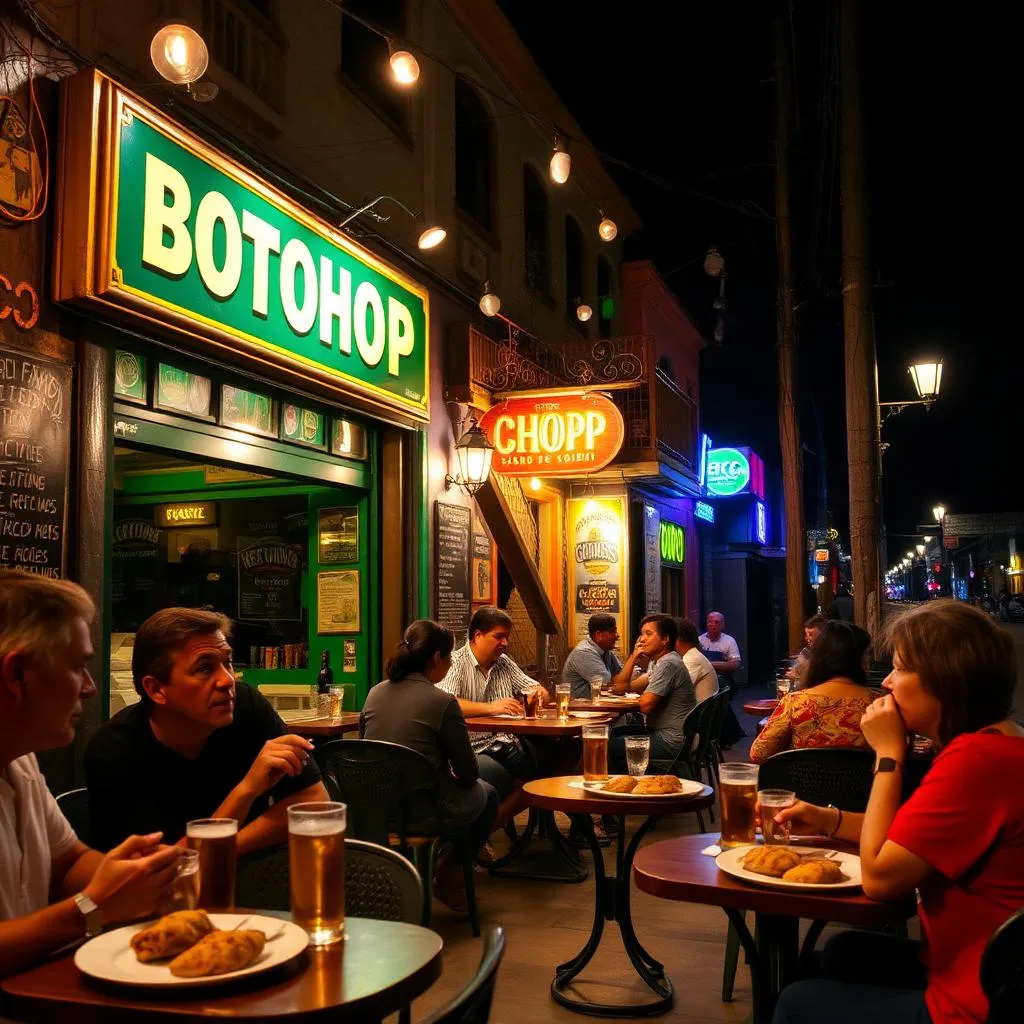
- EveningBoteco hour around Rua Nelson Mandela in Botafogo — a shared petisco and a cold chopp while tables spill onto the pavement.
Getting around: Metro Line 1 (Botafogo/Flamengo/Largo do Machado); most of the day is walkable.
Day 2 — A Centro & Port culture-and-samba day
Historic core plus the Port district; best on a Monday or Friday
- MorningCoffee at Confeitaria Colombo or a Centro padaria, then walk Praça XV, Travessa do Comércio and the free CCBB exhibitions.
- Saturday optionFeira Rio Antigo on Rua do Lavradio (Sat 10am–7pm; the first Saturday is the big monthly edition) for antiques, music and street food.
- AfternoonThe Port: Boulevard Olímpico murals, Museu do Amanhã and the history of Pedra do Sal, cradle of samba and Afro-Carioca resistance.
- Evening (Mon/Fri)Arrive at the Pedra do Sal roda de samba from about 7pm — free, in the street, drinks from the bars around the largo.
- NightContinue to Lapa for a changing programme of samba and forró, then a tracked app ride home.
Getting around: Metro/VLT light rail into Centro; take an Uber or 99 back after dark rather than walking quiet streets.
Day 3 — A Zona Norte weekend: São Cristóvão
Green space by day, Northeastern food and forró by night
- MorningQuinta da Boa Vista park and the grounds of the Museu Nacional — a genuine local weekend spot for families and footballs.
- Match dayIf the fixture lines up, a game at Maracanã with local supporters beats any staged 'experience' (buy from the official seller).
- Afternoon into nightThe Feira de São Cristóvão (Centro Luiz Gonzaga de Tradições Nordestinas): Northeastern food, live forró and craft stalls. Saturdays it runs around the clock.
- Getting homePre-book the return ride; the walk out of the pavilion area is not one to improvise late at night.
Getting around: Metro Line 2 to São Cristóvão or Maracanã; use an app ride back at night.
A verified local calendar (with check dates)
These recurring markets, samba rodas and free spaces are the backbone of local weeks. Each row was cross-checked against an official or Brazilian source on the date shown — but weather, holidays and one-off changes still happen, so confirm the same day before you cross town.
| What | When | Where | Cost | Checked |
|---|---|---|---|---|
| Roda de samba, Pedra do Sal | Classic nights Monday & Friday from ~7pm (rodas also run Sat–Sun) | Largo João da Baiana, Saúde (Port district) | Free — it is a street roda; you pay only for drinks | 2 Sep 2026 |
| Feira de São Cristóvão (Centro Luiz Gonzaga) | Fri 10am through the weekend — Sat 24h, Sun until 9pm; Tue–Thu 10am–6pm; closed Mon | Pavilhão de São Cristóvão, Zona Norte | Small entry at weekends; food and forró inside | 2 Sep 2026 |
| Feira Hippie de Ipanema | Sundays, roughly 9am–7pm | Praça General Osório, Ipanema | Free entry (arts, crafts, food stalls) | 2 Sep 2026 |
| Feira Rio Antigo (Rua do Lavradio) | Saturdays 10am–7pm; the first Saturday of the month is the big edition | Rua do Lavradio, Lapa/Centro | Free entry (antiques, music, food) | 2 Sep 2026 |
| Parque Lage gardens | Daily 8am–5pm (to 6pm in summer); palacete under restoration, gardens open | Rua Jardim Botânico 414, at the foot of Corcovado | Free entry; café in the courtyard | 2 Sep 2026 |
Choose the right base
Tourists cluster in Copacabana and Ipanema, but many residents live and socialise elsewhere. For a more local trip, consider basing yourself in:
- Botafogo — Rio's foodie and bar hub, with independent restaurants, craft-beer bars and Sugarloaf views. Botafogo guide →
- Flamengo & Laranjeiras — residential, family-friendly and metro-connected, with Parque do Flamengo alongside. Check the exact late-return route from your address.
- Tijuca — bordering the urban rainforest, where middle-class Cariocas raise families. Tijuca Forest →
- Santa Teresa — hilltop, bohemian, cobblestoned and scenic, but steeper and more reliant on app rides at night. Santa Teresa guide →
Still deciding? Use the neighbourhood comparison guide.
Eat where locals eat
Comida a quilo (pay by weight)
These buffet restaurants let you build a plate and pay by weight — grilled meats, salads, rice, beans and daily specials. Read the price board first; it is quoted per kilogram, not per plate. It is the standard weekday lunch for a reason: fast, flexible and cheap.
Botecos
The corner bars at the heart of Rio's food culture, serving petiscos (snacks) like bolinho de bacalhau and pastel with cold chopp (draught beer). Thursday and Friday evenings are busiest. Order a comanda (tab), share plates, and check whether the taxa de serviço (service charge) is already on the bill before adding a tip.
Padarias & classic dishes
A padaria (bakery) breakfast — cafézinho and pão na chapa — is the everyday start to the day. Dishes worth trying include feijoada (a rich black-bean stew, often eaten at weekends), pão de queijo, açaí na tigela and the coxinha. Treat "eaten on Saturdays" as a common habit, not a fixed rule.
Tourist default vs local-leaning alternative
Not every tourist choice is wrong — but there is often a version residents quietly prefer. These are tendencies, not universal rules.
| If a guide sends you to… | A local-leaning alternative | Why |
|---|---|---|
| A beachfront restaurant on the Copacabana promenade | A comida a quilo a block or two inland | Similar food, pay by weight, a fraction of the beachfront mark-up |
| Only the Sugarloaf cable car | Add the free Pista Cláudio Coutinho trail to Morro da Urca (the lower peak) | You earn part of the view and skip one queue — still check current trail access |
| Christ the Redeemer at midday | An early slot, or the free Mirante Dona Marta viewpoint | Fewer crowds and a clearer photo of the same skyline |
| The Escadaria Selarón photo scrum | A weekday morning, then walk up into Santa Teresa | Same tiles, calmer, and you see the neighbourhood behind them |
| Hailing a taxi in the street | Metro plus an Uber or 99 | A predictable price and a tracked, shareable route |
| A bottled beer at a bar | A chopp (draught) at a boteco | Colder, cheaper, and what the table next to you is drinking |
| A big beach club | A barraca (beach vendor) with chairs and an umbrella | Shade, cold drinks and someone keeping an eye on your things while you swim |
Getting around & staying aware
Locals mix transport by trip, not by dogma:
- Metro — Line 1 links most of the Zona Sul with Centro; Line 2 reaches Maracanã and São Cristóvão; Line 4 runs to Barra. Check current service hours and the final walk from the station.
- Uber / 99 — the safest late-night option between neighbourhoods; compare the quote, confirm the plate and share your route.
- Buses — extensive but confusing for newcomers; use the Moovit app and keep belongings close.
- Bikes — useful along the beachfront and Lagoa; check the current shared-bike app and station map.
On safety, copy resident habits rather than fear: carry little, keep your phone secured while moving, avoid empty beaches and quiet streets after dark, and ask your accommodation which late routes they actually use. This is street awareness, not a reason to stay in.
Portuguese for ordering & everyday manners
Even a few words earn real goodwill. Start with the ones you will use at a boteco or padaria:
Ordering & paying
Greetings & etiquette
A cheek kiss is common in social settings; a handshake is normal in professional ones, and not everyone kisses on first meeting. Social plans often run relaxed, but work, transport and restaurant reservations still run on time — don't assume lateness is universal.
Beaches beyond the postcard
Copacabana and Ipanema are iconic, but many residents have quieter favourites:
- Praia Vermelha — a tiny, calm bay at the foot of Sugarloaf; clear water, few vendors.
- Prainha — a wild surf beach on the west side that feels far from the city.
- Arpoador — the sunset rock between Ipanema and Copacabana, where the crowd often applauds as the sun drops.
- Joatinga — a hidden cove reached by a steep staircase; secluded and tide-dependent.
- Grumari — a protected reserve beach with almost no development; bring your own food and water.
Go deeper: local experiences worth booking
Brazilian cooking class
Cook feijoada, moqueca and brigadeiro with a local host — the fuller version of a kilo lunch.
Street art & culture tour
Graffiti, history and neighbourhood context with a local guide, pairing well with the Centro & Port day.
Local-guide favela walking tour
Walk Vidigal with a local guide on a small-group visit — no photo-safari framing. We steer readers away from exploitative jeep tours.
Yoo2 Rio de Janeiro by Intercity
A design-led Botafogo base by the metro and real restaurants (the bay beach is scenic, not swimmable).
Links may earn us a commission at no extra cost to you. This supports PlanRio.
How we researched this — and what fieldwork would add
This is a desk-researched guide. Every schedule above was cross-checked against official or Brazilian sources on the dates shown, and we have not claimed first-hand visits, receipts or photos we do not hold. The following on-the-ground fieldwork would strengthen it — we log it openly rather than inventing it:
- Dated photos of a current kilo-restaurant price board and a boteco comanda.
- A same-week confirmation of the Pedra do Sal roda actually running on a Monday and Friday.
- Short recorded interviews with residents in Botafogo, the Port and São Cristóvão about their real weekly routine.
- A logged app-ride fare comparison for the three day patterns at day and night.
- A step-free access note for each market entrance for readers with limited mobility.
Common mistakes tourists make
- Basing themselves on the Copacabana beachfront and never visiting a neighbourhood market, padaria or boteco.
- Going to the beach at midday without planning shade, water and strong sun protection.
- Carrying a passport, a full wallet and a big camera to the beach instead of a little cash, one card and a phone.
- Booking every day solid; residents keep plans loose because weather and traffic decide the day.
- Adding a tip without first checking whether a service charge is already on the bill.
- Assuming everyone speaks English — outside hotels and attractions, most conversations are in Portuguese.
- Travelling across town for a market or roda without confirming that day's programme.
Local expert tips
- Rent a chair and umbrella from the same barraca each day — you get shade, cold drinks and someone watching your things while you swim.
- Order a chopp rather than a bottle at a boteco; it arrives colder and cheaper, and it is what the table beside you is drinking.
- Treat weekly traditions as a starting point, then confirm the day's programme before crossing the city.
- Learn "Tudo bem?", "Quanto custa?" and "A conta, por favor" before you land — three phrases cover most daily interactions.
- Anchor your week to one or two free recurring events (Pedra do Sal, a Sunday feira) and build the rest loosely around them.
Frequently asked questions
Is Rio safe for tourists who want to live like a local?
Living locally does not mean copying routines without context. Carry little, keep your phone secured on the street, plan late returns by app rather than on foot, and ask your accommodation about the immediate area. Read the safety guide before exploring unfamiliar neighbourhoods, and confirm any night plan the same day.
Where do locals actually hang out in Rio?
Botafogo's bar streets (around Rua Nelson Mandela), the Lagoa Rodrigo de Freitas running loop, Praça São Salvador in Flamengo on weekend evenings, the Pedra do Sal samba on Monday and Friday nights, and neighbourhood botecos across Tijuca and Laranjeiras. These are tendencies, not a single scene — the city is large and habits vary by area and age.
What should I avoid doing in Rio de Janeiro?
Avoid displaying expensive jewellery, phones or cameras on the street, walking empty beaches after dark, carrying large amounts of cash, and hailing unbooked taxis late at night. None of this means Rio is off-limits — it means matching the same street awareness that residents use.
Do I need to speak Portuguese in Rio?
A few phrases go a long way. Tourist areas have some English, but in local neighbourhoods, markets and botecos, Portuguese is expected. Learning to greet, ask the price, order a chopp and ask for the bill covers most daily interactions; see the language guide for more.
What is daily life like in Rio de Janeiro?
A common weekday rhythm is an early beach or Lagoa session while it is cool, a quick padaria breakfast, a kilo or prato-feito lunch, work through the afternoon, then a boteco in the evening. Weekends lean towards markets, parks, football and long lunches. It is a pattern, not a rule — schedules vary by job and neighbourhood.
How much does it cost to live like a local in Rio for a week?
There is no fixed local-style total. Price accommodation first, then use current menus and ride estimates for the neighbourhood routine you want. Walking, kilo lunches and free anchors like Pedra do Sal or Parque Lage keep the daily spend low; cross-city app rides and nightly restaurants raise it quickly.
Which neighbourhood should I stay in to feel like a local?
Botafogo is the best all-round choice — metro access, real restaurants and residents rather than tour groups. Flamengo and Laranjeiras are quieter and family-friendly; Santa Teresa is atmospheric but hillier and needs more app rides at night. Match the base to the day patterns you actually want.
Slow down, blend in, enjoy
The best of Rio is rarely a landmark checklist — it is the small, repeatable moments: a cold chopp at a neighbourhood boteco, an early swim before the crowds, a Monday-night samba you confirmed that afternoon. Pick a pattern, keep it loose, and let the city set the pace.
Keep planning
Pedra do Sal samba
The free Monday and Friday roda in the Port.
A local Sunday in Rio
How residents spend the city's slowest day.
Rio street food guide
What to order, where and for how much.
Rio safety guide
Practical rules residents actually follow.
What “Carioca” really means
The accent, the greetings and the city-versus-state split.