Rio de Janeiro for Black Travelers: A Local Visitor Guide
Written and reviewed by Lotte — Rio local, founder & editor of PlanRio · How we research · First published · Last reviewed
Quick answer
Rio can feel culturally familiar and sharply different at the same time for Black travellers. Plan with the same practical city awareness as any visitor, while making room for Brazil's distinct racial history, Afro-Brazilian culture and lived experiences. No single guide can predict how every Black visitor will be treated; use trusted local sources and choose the neighbourhoods, history and social settings that fit you.
At a glance
Identity
Black visitors have different national, racial, cultural and language backgrounds.
Heritage
Little Africa and the Port Zone hold important Black histories and public-memory sites.
Key landmark
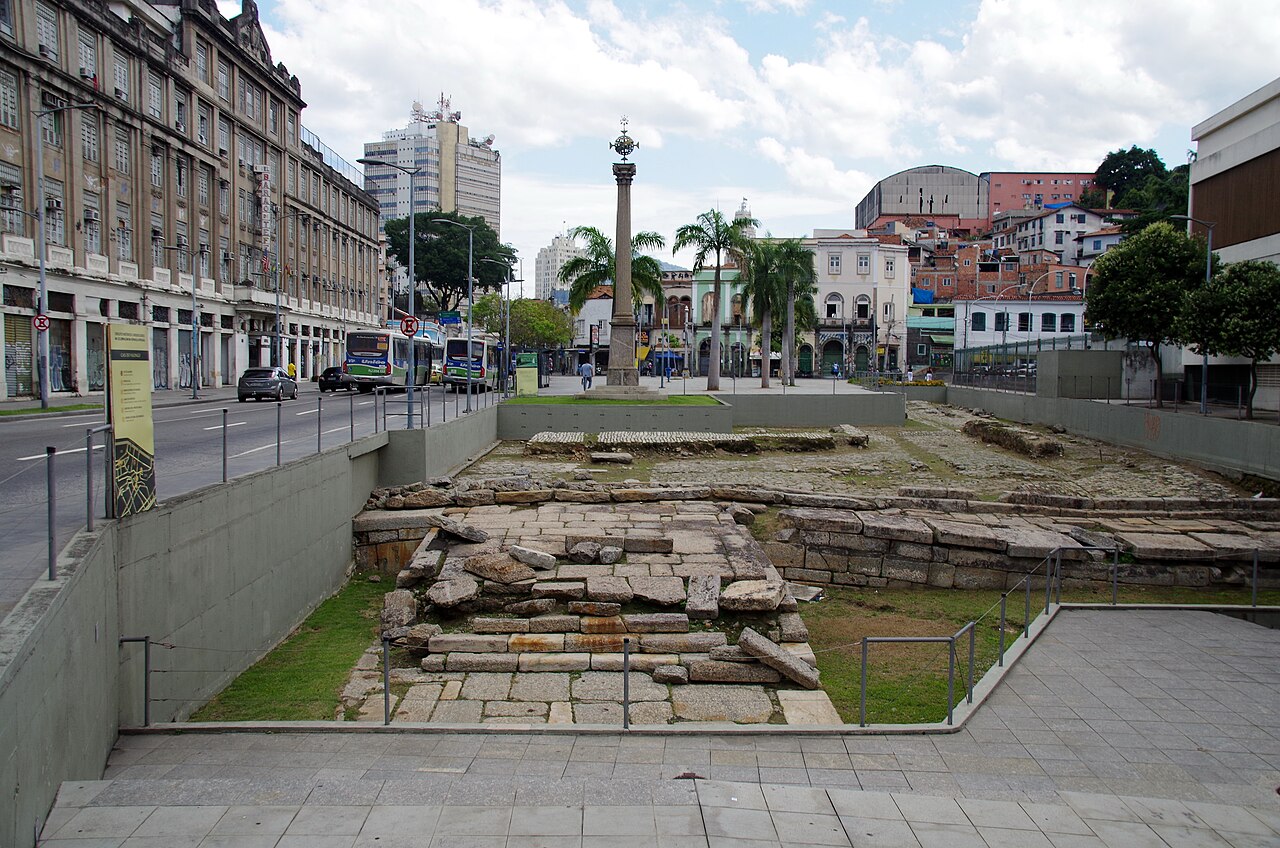
Cais do Valongo is recognised on UNESCO's World Heritage List.
Museums
MUHCAB interprets Afro-Brazilian history and culture in the city.
Safety
Use practical urban precautions; no neighbourhood or experience is one-size-fits-all.
Hair care
Ask salons about curl, coil, braid and protective-style experience before booking.
Photography
Ask before photographing residents, vendors, religious practice or community events.
Approach
Read community-led history and treat Black culture as present-day life, not a backdrop.
There is no single Black traveller experience of Rio
Black travellers do not arrive as one audience. A Brazilian visitor from another state, a Black British couple, an Afro-Caribbean family, an African student and an American solo traveller can bring different languages, passports, identities and expectations. Some people want to explore Black heritage deeply; others want a beach holiday without turning every conversation into a lesson. This guide offers context and choices, not a prediction of how you will feel or how every resident will respond.
Brazil's racial categories, histories and everyday language do not map perfectly onto those used in other countries. A person may self-identify in a way that does not match an outsider's assumption, and skin colour, class, accent and nationality can affect how an interaction unfolds. Take your own read of a situation seriously. If you experience discrimination, you do not owe a stranger a debate about whether it was intended. Choose the response that protects your dignity and safety.
Understand Rio's Black history before visiting its landmarks
Rio's Port Zone is essential to understanding the city's Black history. Cais do Valongo was a landing point for enslaved Africans and is now a UNESCO World Heritage site. Nearby places connected to the Little Africa historic circuit include Pedra do Sal, the former Valongo wharf and the Pretos Novos cemetery memorial. These are not interchangeable stops on a checklist; each site tells part of a difficult history that remains connected to present-day culture and public memory.
MUHCAB, the Museum of History and Afro-Brazilian Culture, and municipal heritage projects offer ways to learn through local interpretation. Check current opening, exhibitions and access information before going, because museums and historical sites can close for restoration or change hours. PlanRio's Little Africa walking guide and MUHCAB visitor guide can help you build a practical route. If you hire a guide, look for someone who names their historical sources and treats the neighbourhood as a living place, not a set for a slavery story.
Little Africa is a neighbourhood and a living cultural territory
The name Little Africa refers to a historically layered territory in the Port Zone, not a theme park or an ethnically uniform area. The city recognises a circuit of African heritage sites, while local residents, artists, researchers and Black movements continue to debate how the area's memory is presented. The places visitors see are also streets where people live, work, worship, commute and raise families. A thoughtful visit makes time for both historical interpretation and ordinary neighbourhood life.
Go during daylight if you are unfamiliar with the route, check the current museum and memorial status and avoid wandering into private courtyards or religious spaces. Do not treat a mural, vendor or resident as part of an unpaid walking-tour display. Ask before taking a close portrait or posting a location-tagged image. If you are interested in samba or Afro-Brazilian religion, choose a public event or guided programme that clearly welcomes visitors and explains its relationship with the community.
Race and everyday interactions: keep the picture nuanced
A visitor may notice that race is discussed differently in Brazil than at home, or may encounter a direct question about nationality, hair or where they are from. Curiosity can be sincere, but a question can still feel intrusive. You can answer briefly, change the subject or say that you do not want to discuss it. You do not need to become a spokesperson for Black people in your country or for Afro-Brazilians. The right boundary is the one that feels right to you.
Brazil has a complex history of slavery, abolition, racial classification and inequality. A city heritage visit can surface painful material; balance it with contemporary art, music, food and community work, where Black people are not framed only through suffering. If a conversation becomes uncomfortable, move toward a trusted friend, staff member or public setting. Do not let one awkward interaction define a whole city, but do not dismiss a pattern you are experiencing. Personal judgement and local context can coexist.
Choose neighbourhoods by the trip you want
Where you stay shapes how Rio feels day to day. Copacabana and Ipanema give easy access to the beach and Metro; Botafogo offers restaurants, bars and a central base; Santa Teresa has a distinct hilltop character but more uneven walking and transport. Little Africa and the Port Zone are rich in heritage but are not automatically the most convenient base for a beach-focused visit. Compare routes, late-night transport, mobility needs and the pace you want rather than choosing solely by a postcard image.
For a first visit, map the places you will go most often and check door-to-door travel times at the hours you plan to travel. Ask accommodation staff about the immediate streets and safe pickup points, but also consult current local information instead of relying on old neighbourhood labels. If a host describes an area as “dangerous” without specifics, ask what they mean and when the concern applies. PlanRio's neighbourhood and accommodation guides give more detailed trade-offs for individual areas.
Safety: use practical habits without accepting fear as the itinerary
Black travellers can face different kinds of attention in Rio, but broad claims about who is safe in which neighbourhood are not reliable. Use a phone with the same awareness you would in any major city: keep it secure in crowded areas, avoid displaying valuables while navigating and plan your route before leaving a venue. At night, decide on transport from the venue to your accommodation before the street gets busy. The city's safety conditions change by area and time, so check current local guidance.
If an interaction with security or police feels discriminatory, remain calm if doing so is safe, keep your hands visible, ask what is happening and contact a trusted person when possible. A visitor should not try to resolve a tense encounter by filming if that could increase danger. Save emergency contacts and your accommodation address offline. For a theft or assault, use PlanRio's practical emergency guide and your consulate's current advice. These steps are not a promise against harm; they simply make it easier to get help if a problem occurs.
Hair, skin and beauty services
Hair care can be one of the most practical considerations for a longer trip. Rio has salons and independent professionals with experience in curls, coils, braids, twists, locs and protective styles, but specialisation varies. Before booking, ask to see recent work on hair with a similar texture and length, confirm the exact technique and get a total quote. Do not assume that a salon can safely recreate a style from a photograph or knows how your hair responds to products used at home.
Bring a clear description of your routine, any chemical history and product allergies. Humidity and beach swimming can change how a style behaves, so choose a professional who talks about maintenance rather than promising that a finish will last unchanged. For a major colour or chemical treatment, take time for a consultation and ask which products will be used. If a stylist cannot explain the product, the process or the likely result, you can pause. A simple trim or wash-and-style may be a better choice during a short visit.
Nightlife, music and choosing community-led experiences
Rio's nightlife spans samba houses, pagode gatherings, funk events, live music, dance clubs and low-key bars. Choose an event by its current programme and the experience you want; a genre label does not tell you whether a night is seated, crowded or late. Ask whether the event is ticketed, what the age rules are and how you will get home. If you want Black history or music explained, a community-led tour or public cultural event can add context, provided the organisers have a clear relationship with the people whose stories they share.
Skip any product that sells a favela, Black residents or poverty as spectacle. A guide should identify the route, explain whether a visit is appropriate and respect residents' privacy. Don't join a tour that encourages photographing people in their homes or promises a “real” glimpse of hardship. If a performance is in a religious or community setting, ask whether visitors are welcome and what recording is allowed. PlanRio's guides to samba, funk and Little Africa can help distinguish an organised cultural event from a generic nightlife pitch.
Food, language and making daily requests easier
Rio's food scene reflects migration, Black culinary traditions and a wide range of contemporary influences. Try dishes and restaurants because they appeal to you, not because a server assumes that a Black visitor wants one particular cuisine. If you have dietary needs, ask how a dish is prepared rather than relying on a name alone. “Tem carne?” asks whether there is meat; “sem pimenta, por favor” asks for no chilli. A written translation on your phone can help when an allergy must be stated precisely.
Learn a few Portuguese greetings even if you speak another language fluently. A simple “bom dia” and “por favor” can make service interactions smoother, and a phrase such as “Pode falar mais devagar?” (Could you speak more slowly?) helps when you are not following. Brazilian Portuguese is not Spanish, and switching languages without asking may not help. If you want more language support, see the Portuguese classes guide or the phrasebook. Do not feel obliged to perform a particular accent to be treated with respect.
Family travel, solo travel and different comfort levels
A family itinerary should leave room for breaks, shade, meals and transport that works for everyone. A heritage walk can be meaningful for older children when the adults explain difficult history in age-appropriate language and allow questions. If a child is not ready for a particular museum or memorial, choose another public site and return later. A solo visitor may prefer a daytime guided walk for the first visit to the Port Zone, then explore independently once they understand the geography.
For a group trip, agree on how to handle nightlife, phone use, taxis and check-ins before people split up. If you are a solo Black traveller, do not let general safety advice imply that you should avoid every local cultural event. Use current event listings, a trusted route and your own comfort level. If you are visibly queer, travelling with a partner or have another identity that affects how you assess a venue, review its current environment and go with the group or host who makes you feel comfortable.
Shopping and supporting local Black-owned work
The Port Zone and other neighbourhoods have artists, designers, food sellers and cultural organisations whose work may be locally rooted. If you want to shop, ask the seller how an item is made and whether they accept card, Pix or cash. Pay the posted price or ask politely if a price is negotiable; do not assume that informal markets mean a vendor expects aggressive bargaining. A purchase can support a maker, but it does not buy permission to photograph them or their work process.
Look for clear provenance when buying art, books, clothing or souvenirs that draw on religious or cultural symbols. Ask who made the item and whether it is intended for general sale. Avoid products that reproduce sacred designs without context or use racist caricatures as “vintage” decoration. If you want to support an organisation, use its official donation channel and learn how funds are used. PlanRio's shopping and Little Africa guides can help you distinguish a public market from a community event or heritage institution.
How to respond to a moment that feels wrong
If you experience a slur, unwanted touching or discriminatory treatment, first choose what helps you feel safer. You can leave, move toward staff or a group, ask a trusted person for support or record details later. You do not have to confront the person or educate them. If the issue affects a paid service, keep the receipt and booking messages, then use the relevant consumer or venue channel when you are in a calmer place. If there is immediate danger, contact local emergency services.
After a difficult moment, consider talking to someone who understands your background rather than searching online for a verdict from strangers. A visitor may want to report discrimination, but reporting routes and legal protections can be complex; seek current official guidance or consular support instead of assuming a process. Keep notes of time, location and names if you may need them. Most importantly, let yourself change plans. A museum, beach, meal or night out can wait if you need a rest or a different environment.
A balanced three-day plan for Black heritage and contemporary Rio
On one day, visit the Port Zone and Little Africa in daylight with a museum or community-led history route. Leave time for MUHCAB or a memorial and a meal, then reflect before adding another attraction. On another day, choose a beach or neighbourhood day that has nothing to do with a historical itinerary: Rio is also a place for rest, swimming, cafés and ordinary city life. On a third evening, select a current live-music programme and plan the journey home before the show begins.
This mix prevents the city from becoming only a lesson about race or only a postcard. It lets you engage with history without requiring every moment of the trip to carry emotional labour. If a site is closed or an event does not feel right, use a museum source, return another day or simply follow your own interests. The most useful itinerary is flexible, informed and honest about your energy. Add one or two practical guides—transport, accommodation, phone safety or food—so heritage visits sit inside a trip that actually works for you.
Common mistakes tourists make
- Assuming every Black visitor wants the same heritage itinerary, music, food or social experience.
- Treating Little Africa as a theme park and residents as part of a visitor attraction.
- Buying a tour that markets favela poverty, homes or Black residents as a spectacle.
- Assuming a salon can reproduce a style safely without discussing texture, history and products.
- Relying on broad online claims that label whole neighbourhoods or groups as uniformly safe or unsafe.
- Feeling obligated to educate strangers or explain your identity after an intrusive question.
Local expert tips
- Check current opening and restoration information for MUHCAB, Cais do Valongo and Port Zone memorials.
- Use a community-led guide who explains their sources and does not promise private access or spectacle.
- Choose accommodation by your real daily routes, Metro access, mobility needs and late-night return plan.
- Ask a stylist about experience with your texture, recent work, products and total quote before booking.
- Save your accommodation address, emergency contacts and return-transport options offline.
- Ask before photographing vendors, residents, children, worshippers or community performances.
- Balance heritage visits with beach, food, music and rest so the trip reflects your own interests.
- If an interaction feels discriminatory, prioritise your safety and seek support without taking on a debate.
- Learn a few Portuguese greetings and a phrase for asking someone to speak more slowly.
- Use the current event programme to select music and nightlife rather than relying on an old venue list.
Frequently asked questions
Is Rio de Janeiro welcoming for Black travellers?+
Many Black visitors enjoy Rio's culture, beaches and Black heritage, but experiences vary by person and situation. No guide can promise how you will be treated. Use practical city awareness, trusted local information and your own judgement about comfort and boundaries.
Where can I learn about Black history in Rio?+
Start in the Port Zone with Cais do Valongo, the Little Africa heritage circuit and MUHCAB. Check current access and exhibitions before visiting, and consider a guide who is transparent about sources and community relationships.
What is Little Africa in Rio de Janeiro?+
Little Africa refers to a historically significant Black cultural territory in Rio's Port Zone, connected to sites such as Pedra do Sal and Cais do Valongo. It is also a living neighbourhood, not a theme park or a single heritage attraction.
Can Black tourists visit Cais do Valongo?+
Cais do Valongo is a public heritage site recognised by UNESCO, but access conditions can change because of restoration or city operations. Check current municipal visitor information before travelling and treat the surrounding Port Zone as a residential area.
Are there salons in Rio for natural or textured hair?+
Rio has professionals who work with curls, coils, braids and protective styles, but experience varies. Ask to see recent work on similar hair, discuss products and chemical history, and get a total quote before booking.
What neighbourhood should Black travellers stay in?+
Choose a base by the places you will visit, transport, budget and preferred pace. Copacabana, Ipanema and Botafogo offer different trade-offs; the Port Zone is valuable for heritage but may not suit every beach-focused itinerary.
Is Rio safe for Black solo travellers?+
Safety depends on location, time, transport and individual circumstances, so broad guarantees are not reliable. Plan routes, secure your phone, arrange late-night transport and use current local guidance. Change plans if a setting does not feel right to you.
Are favela tours appropriate for Black travellers?+
Some community-led visits are organised with local consent, but tours that sell residents or poverty as spectacle should be avoided. Check who leads the experience, what the community relationship is and whether photography and access are clearly governed.
Do I need to speak Portuguese in Rio?+
You can travel with limited Portuguese, but greetings and practical phrases help. Start in Portuguese, ask whether English is comfortable and use a phrasebook for specific requests. Portuguese and Spanish are different languages.
What should I do if I experience racism in Rio?+
Prioritise your safety, leave or seek support if needed, and keep notes if you may later report the incident. Use current official or consular guidance for reporting options; you are not responsible for educating the person who mistreated you.
Sources and image credit
Details and access can change. Use these venue, operator and public-information sources to recheck key details before visiting.
- UNESCO: Cais do Valongo Wharf World Heritage listing ↗
International heritage record and historical significance of the landing wharf.
- Rio City Hall / MUHCAB: Territórios Negros project ↗
Public-history context for Black heritage and the Port Zone.
- Riotur: Rio de Fé guide ↗
Official city visitor information on religious and cultural heritage sites.
Keep planning
Rio de Janeiro Travel Questions
Answers to the most common travel questions about Rio de Janeiro: safety, visas, costs, language, water, transport, and more.
Little Africa Rio Walking Guide (2026): Valongo, Pedra do Sal & a Respectful Route
Plan a Little Africa Rio walking route through Cais do Valongo, IPN, Pedra do Sal and the port's Afro-Brazilian heritage. Booking, transit and respectful-visit tips.
Rio de Janeiro for Indian Tourists: Food, Flights & Culture
Plan a Rio trip as an Indian visitor: vegetarian and Jain food, flight routing, entry requirements, neighbourhoods and practical cultural context.
Candomble Rio de Janeiro: A Respectful Visitor's Guide
Respectful guide to Candomblé and Umbanda in Rio: histories, public sites and visitor etiquette, without treating sacred ceremonies as attractions.
Rio de Janeiro for First Timers
The complete first-time Rio orientation: planning timeline, neighbourhood geography, bookings, weather flexibility, arrival, money and safety.