Beach Workouts & Outdoor Fitness in Rio
Written and reviewed by Lotte — Rio local, founder & editor of PlanRio · How we research · First published · Last reviewed
Quick answer
Use a busy beachfront station near your hotel, train early or late, and make your first sand session shorter than a normal gym workout. Public bars are free and informal games may welcome visitors, but organised courts are not automatically open to everyone. Bring water, sun protection and footwear for the promenade.
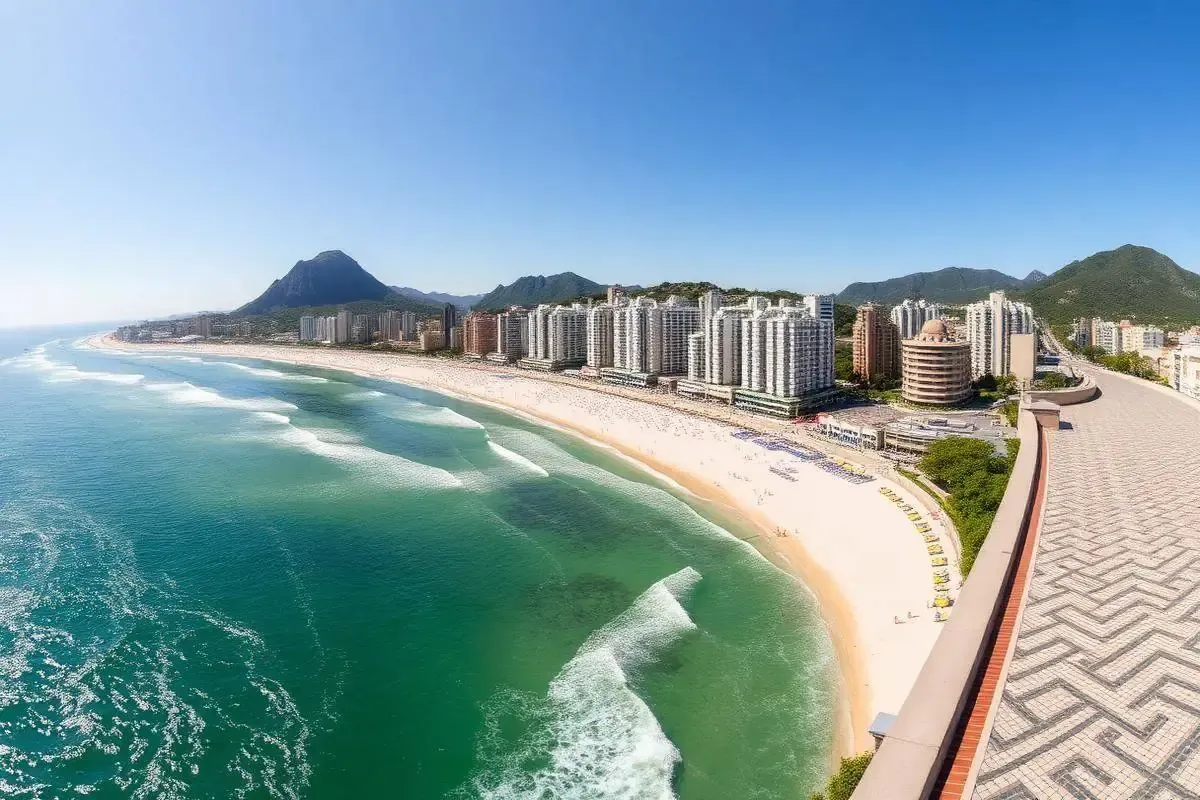
Outdoor training is part of everyday life along Rio's waterfront and in its parks. Street workout and calisthenics are recognised sports in the city, but the facilities are not a single, uniform beach-gym circuit: bars, public exercise equipment, sand courts and organised classes differ by spot. Choose a visible, busy place, ask before using a court and adapt the heat, sand and training volume to your own fitness.
Best starting point
A busy public station near your base
Best time
Early morning / late afternoon
Cost
Public spaces are free; classes vary
Local sports
Futevôlei, altinha, frescobol
Free beach classes are seasonal
Some summers bring a temporary, instructor-led fitness structure to Ipanema's Posto 10. The last Rio Academia YoPRO season ran from 29 November 2025 to 6 February 2026, with free classes booked through Mude; that edition has ended. Treat this as a seasonal pop-up, not a permanent gym, and check the local event listing and Mude's announcement for confirmed future dates before planning around a class.
Outdoor gyms and calisthenics (academias ao ar livre)
Rio has public exercise equipment in squares and parks as well as street-workout spots, but a beach promenade does not guarantee a full set of pull-up and parallel bars. Search locally for 'academia ao ar livre' or 'calistenia', check the walk on a map, and inspect equipment before putting your weight on it. City-run Rio Ar Livre activities at selected squares have registration and eligibility details of their own; they are different from an unsupervised public station.
Beach volleyball and footvolley
Many courts host recurring classes or groups, even when there is no visible booking sign. Watch for a few minutes and ask before entering. If you are new to futevôlei, a lesson is the realistic route: controlling a football over a net without hands has a steep learning curve.
Sand running and drills
Soft sand loads calves, ankles and feet differently from a road or treadmill. Start with walking, easy strides or short technique drills near the firmer waterline. Hard sprints in deep sand are an advanced session, not the default workout for a visitor on day one.
Slackline and mobility
You may see slacklines, stretching groups and partner movement sessions around Ipanema and Flamengo. Some are informal; others are paid classes. Ask before using someone's line and do not attach your own equipment to a tree without knowing the local rules and safe setup.
Frescobol
Rio's cooperative wooden-paddle game is about sustaining the rally, not beating an opponent. Play well away from sunbathers and the busiest path to the water. Kiosk rental availability changes, so buying or borrowing a set may be easier if you want several sessions.
Try a beginner footvolley lesson in Copacabana
This specific 90-minute instructor-led session lists equipment and welcomes different levels. Check the selected date's meeting point, language and cancellation terms; it is a booked lesson, not access to an informal beach game.
Check the Copacabana footvolley lessonThis is an affiliate link. PlanRio may earn a commission at no extra cost to you.
A sensible first workout
- Warm up on firm ground. Walk the promenade for ten minutes, move ankles and shoulders, then check how the temperature feels before stepping onto deep sand.
- Use familiar movements. Two or three easy rounds of squats, incline push-ups, rows or hangs and a short jog are enough to learn how your body reacts.
- Keep effort in reserve. Sun, humidity and soft sand make the same session harder. Finish while you still feel coordinated rather than chasing a holiday personal best.
- Cool down in shade. Rehydrate, rinse sand from any scrape and walk back in shoes. Ocean swimming is a separate activity with its own current and water-quality decisions.
Choose the right stretch of waterfront
Ipanema
Good for combining calisthenics, beach culture and an easy café stop. It can feel performative at peak times; beginners may prefer a quieter station or an earlier session.
Copacabana
The long promenade gives you flexibility to walk until you find a station with space. Keep belongings minimal and within sight rather than leaving a phone or room key in the sand.
Aterro do Flamengo
Better for mixing running, cycling paths and open park space. Use it when the area is active, stay aware at quieter edges and confirm your return route before dusk.
Common mistakes and local etiquette
- Leaving valuables in a pile while moving between a bar, court and the water.
- Treating a recurring lesson or club court as a public pickup game.
- Training through the strongest sun because the sea breeze hides how hot it is.
- Blocking equipment while filming a long set or resting on the bars.
- Starting barefoot sprint volume that your feet and calves have never handled.
- Assuming a red flag or rough sea has no relevance after a tiring workout.
When the beach is the wrong gym
Choose an indoor gym when you need controlled weights, rehabilitation equipment, air-conditioning or a supervised session. Outdoor bars do not offer a spotter, reliable resistance increments or a clean place to store medication. After heavy rain, during an official heat warning or when lightning is nearby, postponing is the sensible workout decision. If you plan to swim after training, check the current advice in our Rio beach safety guide and open-water swimming guide.
Travelling with children also changes the plan: an adult using the bars cannot simultaneously supervise a child near traffic or the sea. Take turns, use a contained activity, or book a class. The goal is to enjoy Rio's fitness culture without treating an unstaffed public space as if it carried the safeguards of your home gym.
Frequently Asked Questions
Are the outdoor gyms in Rio free?
The public calisthenics stations along the beachfront and in parks are generally free to use. They are open-air facilities rather than staffed gyms, so inspect a bar or frame before loading it and do not expect lockers, showers or supervision.
Where is the best outdoor calisthenics spot in Rio?
Ipanema and Copacabana have easy-to-find beachfront stations, while Aterro do Flamengo gives you more space to combine a run with bodyweight work. The best choice is usually the safe, busy station closest to your accommodation rather than a cross-city journey for one set of bars.
Can I join a beach football or volleyball game as a tourist?
Sometimes. Watch first, wait for a break and ask 'posso jogar?' rather than stepping onto a court. Organised lessons and long-running groups may have reserved space, while an informal circle or pickup game is more likely to welcome an extra player.
What is footvolley (futevôlei)?
Futevôlei combines a volleyball court and net with football-style touches: no hands. It is technically difficult, so a beginner lesson is more useful than joining an advanced match uninvited. Watching the late-afternoon games is free and part of Rio beach culture.
Is it safe to train barefoot on Rio's sand?
Barefoot work is normal, but build up gradually and scan the sand for sharp debris. Use shoes on the promenade, cover cuts, drink water and stop if the sand or equipment is too hot. Visitors unused to deep sand should shorten their first session.