Things to Do in Copacabana, Rio de Janeiro: 25 Local Picks
Written and reviewed by Lotte — Rio local, founder & editor of PlanRio · How we research · First published
Quick answer
The best things to do in Copacabana are a sunrise walk on the 4 km calçadão, watching the Posto 6 fishermen land their catch, the Forte de Copacabana and its sea-view café, the Leme fishermen's path and fort, Sunday's car-free Avenida Atlântica, footvolley at dusk and an evening of samba at Bip Bip.
Links may earn us a commission at no extra cost to you. This supports PlanRio.
At a glance
Where it is
Zona Sul, between Leme (north end) and the Forte de Copacabana / Posto 6 (south end), next to Ipanema.
Beach length
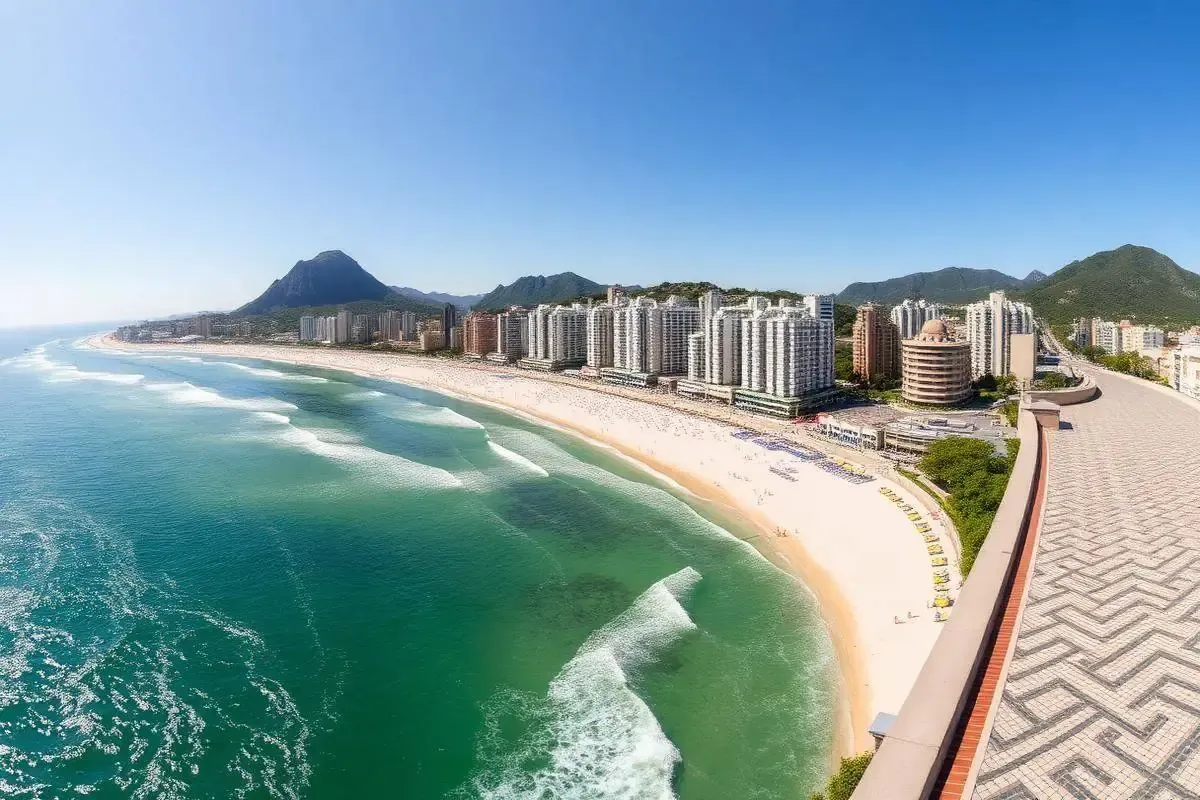
About 4 km of sand, split into numbered lifeguard posts (postos) from Leme to Posto 6.
Metro stations
Line 1: Cardeal Arcoverde, Siqueira Campos and Cantagalo — every pick below is a short walk from one.
Best time of day
Sunrise to 10:00 for the beach and Leme trail; late afternoon for the fort; after 20:00 for samba and botecos.
Free highlights
The calçadão promenade, sunrise from the sand, Sunday car-free Avenida Atlântica, Bip Bip's samba circle, Praça do Lido.
Paid highlights
Forte de Copacabana (small entry fee), the Leme fort trail, footvolley lessons, sunset boat trips, Copacabana Palace afternoon tea.
How long you need
One full day covers the essentials; two half-days lets you do sunrise and night separately without rushing.
Safety in one line
Busy and fine by day; carry a phone you can afford to lose, take nothing to the sand at night, use Uber after 23:00.
Why Copacabana is worth more than a beach day
Most visitors treat Copacabana as a strip of sand they cross on the way to Arpoador or Ipanema. That is a mistake. Copacabana is Rio's densest neighbourhood — roughly 150,000 residents in a narrow wedge between the sea and the hills — and it behaves like a small city: fishermen at dawn, retirees doing water aerobics at Posto 4, a samba circle on a pavement at 21:00, a 1920s grand hotel and a 24-hour padaria on the same block.
This page is the activity list. For the sand itself — which posto to pick, chair prices and swimming conditions — use our Copacabana beach guide. For hotels, see where to stay in Copacabana, and for meals, the best restaurants in Copacabana. Below, we go from north (Leme) to south (Posto 6), then add the night and the day-trip extras.
Leme: the quiet north end (picks 1–4)
1. Walk the Caminho dos Pescadores. At the very end of Leme beach, a paved fishermen's path hugs the rocks below Morro do Leme. Locals fish, sea turtles occasionally surface, and you look back along the entire curve of Copacabana. It is free, flat and takes 15 minutes there and back. Go early: by midday the rocks are hot and the light is flat.
2. Climb to Forte Duque de Caxias. The army fort on top of Morro do Leme is reached by a steep, cobbled 20–30 minute walk through Atlantic forest, with an entry fee paid at the gate. The reward is one of the few views that shows Copacabana, Sugarloaf and Guanabara Bay in one frame. Bring water, check the army's opening days before you go (it is a military site and closes without much notice), and avoid it in the heat of a summer afternoon.
3. Have a coconut at a Leme kiosk. The quiosques (beach kiosks) on the Leme end are calmer and more family-oriented than the stretch around Posto 2–3. An água de coco at sunset here is the cheapest good view in the neighbourhood.
4. Swim where it is calmer. Leme is partly sheltered by the hill, so on many days the shore break is gentler than mid-beach. Always swim near a lifeguard post and read our rip-current guide first — "calmer" in Rio still means real Atlantic surf.
Mid-beach: the calçadão and Copacabana's icons (picks 5–10)
5. Walk the wave pavement end to end. The black-and-white wave mosaic on the beach side of Avenida Atlântica is Portuguese stonework (pedra portuguesa); the wider promenade layout, including the abstract central and building-side patterns, was designed by landscape architect Roberto Burle Marx when the avenue was widened around 1970. Walking Leme to Posto 6 takes about an hour at a stroll — do it early morning, with nothing in your hands.
6. See Sunday's car-free Avenida Atlântica. On Sundays and public holidays the beach-side lanes close to cars for most of the day and fill with cyclists, skaters, runners and families. It is the best people-watching in Rio. Rent a Bike Itaú share bike and ride it, or check our Sunday in Rio guide for how to build the rest of the day.
7. Have tea (or a drink) at the Copacabana Palace. The white façade opposite Posto 2 opened in 1923 and has hosted everyone from Orson Welles to the Rolling Stones. You do not need to stay to experience it: afternoon tea or a drink at the pool bar is the realistic way in. It is expensive by Rio standards; book ahead and dress smart-casual.
8. Learn footvolley where it was born. Futevôlei — volleyball played with feet, chest and head — started on Copacabana's sand. Watching a good game at dusk is free; a beginner lesson is one of the few activities where you will genuinely meet cariocas. Read our footvolley guide for what to expect.
9. Watch beach football and water aerobics at Posto 4–5. From around 06:00 the sand is a public gym: football pitches, outdoor bars, older women doing hidroginástica in the shallows. It is free, it is the real neighbourhood, and it is gone by 10:00 when the tourists arrive.
10. Join the New Year's Eve crowd — or come back for it. Copacabana hosts Rio's Réveillon, one of the world's largest New Year's celebrations. If your trip is in late December, plan it with our New Year's Eve in Rio guide; if not, the same beach on a normal evening is still the place to understand why the event works here.
Posto 6 and the Forte: the south end (picks 11–15)
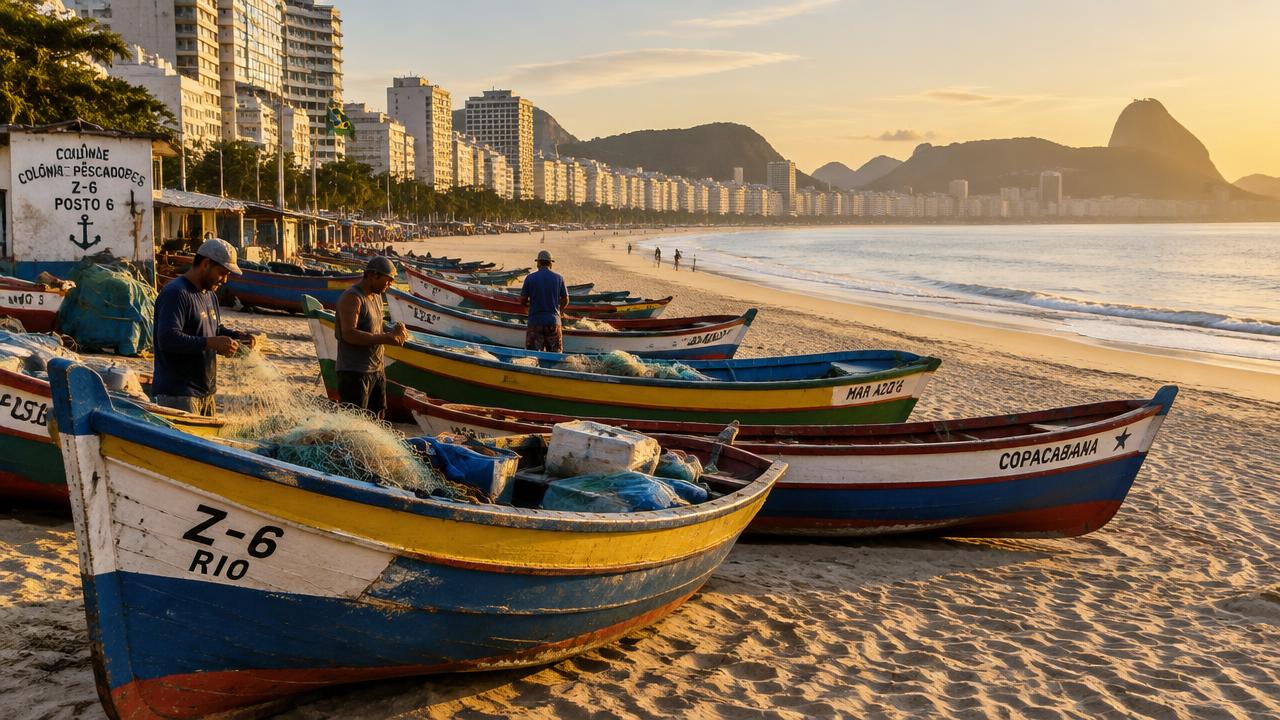
11. Watch the fishermen come in at Posto 6. The fishermen's colony (Colônia de Pescadores) has worked from the sand beside the fort for over a century. Arrive around 06:00–08:00 and you will see the wooden boats pulled up and the morning catch sold from the small fish market. Ask before photographing people working.
12. Visit the Forte de Copacabana. The 1914 fort at the tip of the beach is now an army history museum with cannon, a casemate and the best seated view back along the bay. The paid entry is small, it is closed on Mondays, and the full practical breakdown is in our Forte de Copacabana guide.
13. Breakfast at Confeitaria Colombo inside the fort. The famous Centro tearoom has a branch in the fort with tables facing the sea. Go for breakfast or a late-morning coffee before the tour groups; the original is covered in our Confeitaria Colombo guide.
14. Catch the sunrise from the sand. Copacabana faces east, so the sun comes up over the sea — a rare thing in Zona Sul, where most famous views are sunsets. Stand near Posto 6 or Leme for a framed shot. Compare options in the best sunrise spots in Rio.
15. Walk on to Arpoador for sunset. From the fort it is a 10-minute walk round to Arpoador rock, where crowds applaud the sunset. That makes the perfect Copacabana day: sunrise on one side of the neighbourhood, sunset on the other. See our full Arpoador guide.
Behind the beach: the streets most visitors never see (picks 16–20)
16. Spot the art deco and modernist buildings. Copacabana boomed from the 1930s to the 1960s, and streets such as Avenida Atlântica, Rua Ronald de Carvalho and the blocks around Praça do Lido still have art deco façades, curved balconies and tiled lobbies. Our Rio architecture guide explains what you are looking at.
17. Sit in Bairro Peixoto. A small, tree-lined pocket of low-rise houses around Praça Edmundo Bittencourt, a few minutes from Siqueira Campos metro. It feels like a different city: kids' playground, chess tables, almost no traffic.
18. Shop a feira livre (street market). Copacabana's weekly street markets set up on different streets on different days; you will find fruit you have never seen, fresh pastel (fried pastries) and caldo de cana (sugarcane juice). Ask your hotel which street hosts the market the morning you are there, and read our Rio markets guide.
19. Eat like a local at a padaria and a por quilo. A padaria (bakery-café) for a pão na chapa (griddled buttered bread) and pingado (milky coffee) at the counter, then a por quilo (pay-by-weight buffet) for lunch: that is a cheap, honest Copacabana day. See the best padarias and por quilo restaurants.
20. Ride the Cantagalo elevator to the Mirante. From the General Osório end, a public elevator climbs to the Pavão-Pavãozinho and Cantagalo community's lookout with views over Ipanema and Copacabana. Go in daylight, ideally with a local guide, and read what a favela is before you go so you visit respectfully.

Copacabana after dark (picks 21–23)
21. Join the samba roda at Bip Bip. A tiny boteco on Rua Almirante Gonçalves where musicians sit around one table and the audience spills onto the pavement. It is informal, intimate and nothing like a show — buy beer from the fridge, keep quiet during songs and leave a contribution. Schedules change, so check their social media on the day. For more, see the best samba venues in Rio.
22. Do a boteco crawl. Copacabana has some of Rio's most characterful botecos (neighbourhood bars): a chope (draught beer) and petiscos (bar snacks) standing at the counter is the evening ritual. Our best botecos guide lists the ones worth crossing town for.
23. Eat a late-night Cervantes sandwich. Cervantes, on Rua Barata Ribeiro, has fed Copacabana's night owls for decades with its famous pork-and-pineapple sandwich. It is a rite of passage rather than fine food. More options are in our late-night food guide.
Beyond the neighbourhood: two easy add-ons (picks 24–25)
24. A sunset boat trip from the bay. Seeing Copacabana from the water, with Sugarloaf beside you, is the view most visitors never get. Compare operators and routes in our Rio boat tours guide.
25. Sugarloaf by cable car. The Urca cable-car station is a 10–15 minute taxi from Copacabana, making Sugarloaf the easiest big landmark to pair with an afternoon here. Read the Sugarloaf Mountain guide for timing and tickets.
A one-day Copacabana itinerary
06:00 Sunrise from the sand near Posto 6, then watch the fishermen land the catch. 07:30 Breakfast at Confeitaria Colombo in the fort, then visit the fort museum (not Mondays). 10:00 Beach time at your chosen posto — see the beach guide. 13:00 Por quilo lunch a block inland, then a siesta out of the midday sun. 16:00 Walk the calçadão to Leme and the Caminho dos Pescadores. 18:00 Coconut at a Leme kiosk. 20:30 Boteco dinner, then Bip Bip's samba circle. Midnight Cervantes sandwich and an Uber home.
Short on time? Swap the morning for our 24 hours in Rio plan, or fold Copacabana into the 3-day Rio itinerary.
The honest verdict: when Copacabana is not worth it
Copacabana is louder, busier and less polished than Ipanema or Leblon. If you want a calm, scenic beach with clear water, you will be happier at Prainha or on a day trip to the beaches near Rio. If you hate crowds, avoid it on sunny weekends in January and February.
Worth it if… you want real neighbourhood life, easy metro access, sunrise over the sea, samba and botecos within walking distance, and the widest choice of mid-range hotels in Zona Sul. Skip it if… you only have one day and want the "postcard" beach — then go to Ipanema and walk into Copacabana via Arpoador for the fort and the sunset instead. Unsure where to base yourself? Compare Ipanema vs Copacabana.
Book the practical essentials first
Choose a flexible booking, confirm service details directly with the provider, and keep every confirmation accessible offline.
Where to stay for this list
Our hand-picked Copacabana hotels put the beach, the metro and the night picks above within walking distance. Full comparison in our where-to-stay guide.
Dates optional. Set guests and rooms on Booking.com.
Check what your room rate includes
- Breakfast, taxes and any extra fees
- Room type, guest count and bed setup
- Cancellation deadline and when payment is due
Confirm these on Booking.com for the rate you choose.
Windsor Palace Copacabana
Best for: Una estancia de gama media-alta en la zona central de Copacabana.
Know before booking: Revisa el mapa y la orientación de la habitación; estar en Copacabana no describe el ruido ni el acceso exactos.
Check Windsor Palace Copacabana availabilityMiramar by Windsor Copacabana
Best for: Quienes buscan comodidad cerca del extremo de Copacabana que conecta con Arpoador e Ipanema.
Know before booking: Compara la habitación, el desayuno y las condiciones de pago y cancelación para tus fechas.
Check Miramar by Windsor Copacabana availabilityOrla Copacabana Hotel
Best for: Una base en Posto 6, cerca de Arpoador e Ipanema.
Know before booking: Comprueba la habitación y el acceso exacto; las tarifas con vista al mar suelen ser distintas.
Check Orla Copacabana Hotel availabilityCommon mistakes tourists make
- Treating Copacabana as a beach you only cross on the way to Ipanema — the fort, Leme and the samba nights are the reason to come.
- Taking a phone, wallet and passport to the sand. Take a little cash, one card and a phone you can afford to lose.
- Visiting the Forte de Copacabana on a Monday, when it is closed.
- Arriving at Posto 6 at 10:00 and wondering where the fishermen are — they finish their morning sales early.
- Walking the sand or the promenade alone late at night instead of using the busier side of Avenida Atlântica or an Uber.
- Eating only on the beachfront, where prices are highest — the best value is one or two blocks inland.
Local expert tips
- Do the beach in the morning and Copacabana's streets in the afternoon heat — the inner blocks are shaded and cooler.
- Use the metro, not taxis, to arrive: Cardeal Arcoverde for Leme, Siqueira Campos for the middle, Cantagalo for Posto 5–6.
- On Sunday, rent a share bike and ride the car-free Avenida Atlântica from Leme to the fort and on to Arpoador.
- At Bip Bip, quiet during songs is the rule, and the beer is self-service from the fridge — note what you took.
- Pair Copacabana with Sugarloaf the same day: the cable car in Urca is a short taxi ride away.
- Plan sunrise at Posto 6 and sunset at Arpoador on the same day: you get both ends of the neighbourhood.
Frequently asked questions
What is there to do in Copacabana besides the beach?+
Copacabana has the Forte de Copacabana army museum and its sea-view café, the Caminho dos Pescadores path and Forte Duque de Caxias in Leme, the Burle Marx calçadão, the Copacabana Palace, the Posto 6 fishermen's colony, art deco streets, weekly street markets, the samba circle at Bip Bip and a long list of traditional botecos.
Is Copacabana worth visiting?+
Yes, for at least half a day. Copacabana is less polished than Ipanema, but it offers sunrise over the sea, the fort, the Leme trail, Sunday's car-free avenue and Rio's best informal samba. It is also the easiest Zona Sul base for metro access and mid-range hotels.
How many days do you need in Copacabana?+
One full day covers the essentials: sunrise and the fishermen at Posto 6, the fort, beach time, the calçadão to Leme and a boteco evening. Two half-days are better, because sunrise and the samba night are hard to fit into the same day comfortably.
Is Copacabana safe for tourists?+
Copacabana is busy and generally fine in the daytime, but petty theft is common. Take only what you need to the beach, never leave belongings unattended, keep your phone out of sight on the calçadão, avoid the sand at night and use Uber or a taxi after about 23:00.
What is the best time of day to visit Copacabana?+
Early morning is best: sunrise faces the sea, the beach is a local gym, the fishermen land their catch at Posto 6 and it is cooler. Late afternoon suits the fort and the Leme kiosks, and after 20:00 is the time for botecos and samba.
How do I get to Copacabana by metro?+
Take metro Line 1 to Cardeal Arcoverde (Leme and north Copacabana), Siqueira Campos (central Copacabana) or Cantagalo (south Copacabana, near Posto 5 and 6). Each station is a few blocks from the beach.
When is Avenida Atlântica closed to cars?+
On Sundays and public holidays the beach-side lanes of Avenida Atlântica close to cars for most of the day, turning the avenue into a promenade for cyclists, runners, skaters and families.
Can you visit the Copacabana Palace without staying there?+
Yes. Non-guests can book afternoon tea or a meal at the hotel's restaurants and bars. Prices are high by Rio standards, so reserve in advance and dress smart-casual.
What is the Forte de Copacabana?+
The Forte de Copacabana is a 1914 army fort at the southern tip of Copacabana beach, now the Army History Museum. It has historic cannon, exhibitions, a branch of Confeitaria Colombo and one of the best views back along the beach. Entry is paid and it is closed on Mondays.
Keep planning
25 Best Things to Do in Rio de Janeiro (2026)
A locally ranked top 25 with honest verdicts, time needed, cost type and specific booking options for Rio's icons, beaches, nature, culture and nightlife.
Copacabana Beach: Best Sections, Swimming & Safety (2026)
Choose Leme, central Copacabana or the fort end; check swimming and water quality, current Forte details, safety, food and hand-picked stays.
Where to Stay in Copacabana: 5 Best Micro-Areas (2026)
Map Leme, Cardeal Arcoverde, Siqueira Campos, Cantagalo and Posto 6 by beach, metro, noise and family fit.
Rio de Janeiro Neighborhood Map – 19 Official Boundaries
Interactive street map using official municipal boundaries for all 19 PlanRio neighbourhood guides, with price, beach, nightlife, food and metro comparisons.
Getting Around Rio (2026): Metro, Uber & Bus Fares
Compare Rio transport fares: R$7.90 metro, R$5 Jaé bus/BRT/VLT and a R$15 GIG express bus. Get current airport pickup advice and know when an app ride is worth it.